
Home Improvement
How Regular Septic System Maintenance Helps Prevent Expensive Repairs

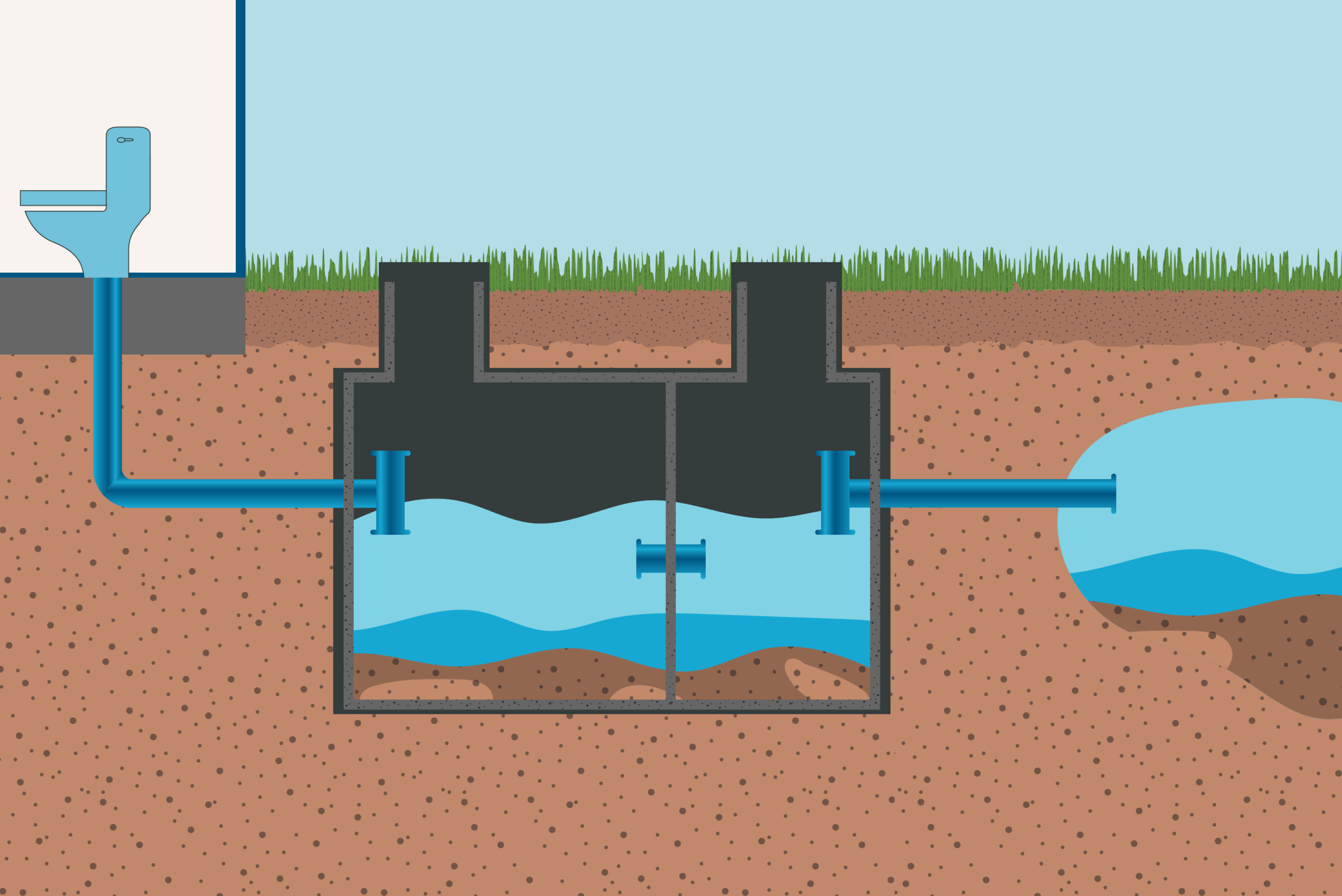
When it comes to protecting your home and avoiding unexpected costs, one of the most effective steps you can take is regular septic system maintenance. Overlooking this critical aspect of property ownership can result in significant damage, environmental hazards, and steep repair bills. For reliable care, consider reaching out to septic tank pumping & cleaning in Dayton local specialists who understand the needs of your system and can help you stay ahead of potential issues.
Consistent upkeep isn’t just about preventing breakdowns—it’s about ensuring your septic system runs efficiently for many years. Proper care and attention help you avoid inconvenient emergencies and give you peace of mind, knowing your household waste is managed responsibly.
Why Regular Maintenance Matters
Septic systems are designed to process household waste efficiently and safely, but without the right care, they can quickly become sources of trouble. Infrequent maintenance leads to the buildup of solids, clogs, leaks, or even complete system failures. These problems aren’t just expensive; they can also threaten your family’s health and your community’s water supply.
Adopting a proactive approach allows you to recognize small problems before they escalate. By staying on top of maintenance tasks, you’ll extend the lifespan of your septic system and reduce the risk of backups, foul odors, or saturated drain fields.
According to Forbes, regular inspection and pumping are key to keeping a septic system functioning properly. Routine maintenance not only prevents costly repairs but also protects the environment by reducing the risk of groundwater contamination. Homeowners should schedule inspections at least every three years and pumping as needed based on usage. Staying proactive ensures your septic system remains safe, efficient, and reliable for years to come.
Key Maintenance Practices
- Regular Inspections: Schedule professional inspections every 1 to 3 years to catch emerging issues such as leaks, blockages, or damaged components. Inspections can pinpoint problems long before they cause a failure and result in a more affordable fix.
- Septic Tank Pumping: Pumping your septic tank every 3 to 5 years keeps solids from overflowing into your drain field, where they can cause irreparable damage. The exact frequency depends on factors like your household size and overall water usage.
- Water Conservation: Limiting water usage by fixing leaks, installing efficient fixtures, and spreading out laundry loads prevents your septic system from becoming overloaded. Reducing strain keeps bacteria healthy and effective at breaking down waste.
- Proper Waste Disposal: Do not flush non-biodegradable items, oils, grease, or harsh chemicals. These disrupt the natural bacterial balance necessary for waste decomposition and can lead to expensive repairs or system failure.
Common Issues Prevented by Maintenance
Consistent septic system maintenance forestalls many commonly encountered problems. Here are a few of the most critical issues that can often be avoided:
- Blockages and Backups: Routine inspections and timely pumping can stop solid waste from clogging pipes or infiltrating your home, which otherwise leads to hazardous and costly sewer backups.
- Drain Field Failures: When excess solids reach the drain field, they can block the soil’s ability to absorb wastewater, rendering the whole system ineffective and possibly contaminating groundwater.
- Odors: Regular maintenance helps eliminate persistent foul smells caused by system overflows or broken components, making your property more pleasant and safe.
Cost Benefits of Regular Maintenance
Scheduled septic upkeep is a wise financial investment. Typical septic tank pumping costs between $250 and $500 every few years, depending on the tank size and the service provider. In contrast, a complete system replacement—from failed tanks or drain fields—can range from $5,000 to $15,000 or more. The return on such preventative care is clear and immediate: small routine expenses prevent massive outlays later. According to the EPA’s guidelines on septic maintenance, regular care is recognized as a key to household and community financial health.
Regular inspections can also help identify minor issues, such as slow-draining fixtures or early signs of leaks, before they escalate into costly repairs. By staying proactive, homeowners not only protect their investment but also ensure the system operates efficiently and safely for years to come.
Environmental and Health Impacts
An unmanaged or neglected septic system can leak untreated sewage into your yard and local waterways, harming plants, wildlife, and the drinking water supply. Properly maintained systems prevent pathogens and pollutants from entering the environment, ensuring clean water for everyone. The Centers for Disease Control and Prevention notes that failing septic systems can introduce bacteria and viruses into public water, posing risks to both humans and animals.
Addressing your septic system’s needs is an easy way to safeguard not just your own household, but the greater community as well.
When to Call a Professional
- Inspections and Pumping: Leave comprehensive inspections and all pumping jobs to licensed professionals. They have the expertise and equipment necessary to perform safe and thorough tank cleaning.
- Troubleshooting Failures: If you notice slow drains, sewage odors, gurgling pipes, backups, or standing water near your drain field, call a professional immediately. Quick intervention prevents additional damage and cost.
- Regulatory Compliance: Professional septic providers also ensure your system operates within local building codes and environmental standards, keeping you compliant and reducing risk.
Conclusion
Septic system maintenance might not be the most glamorous aspect of homeownership, but it is certainly one of the most critical. From preventing disruption and messy emergencies to protecting your finances and the environment, routine inspections and care will keep your system healthy for years to come. By partnering with trusted professionals and following best practices diligently, you are investing in both your property and your peace of mind.