
Home Improvement
Homeowner’s Guide to Safer Fireplaces: Preventing Common Chimney Issues

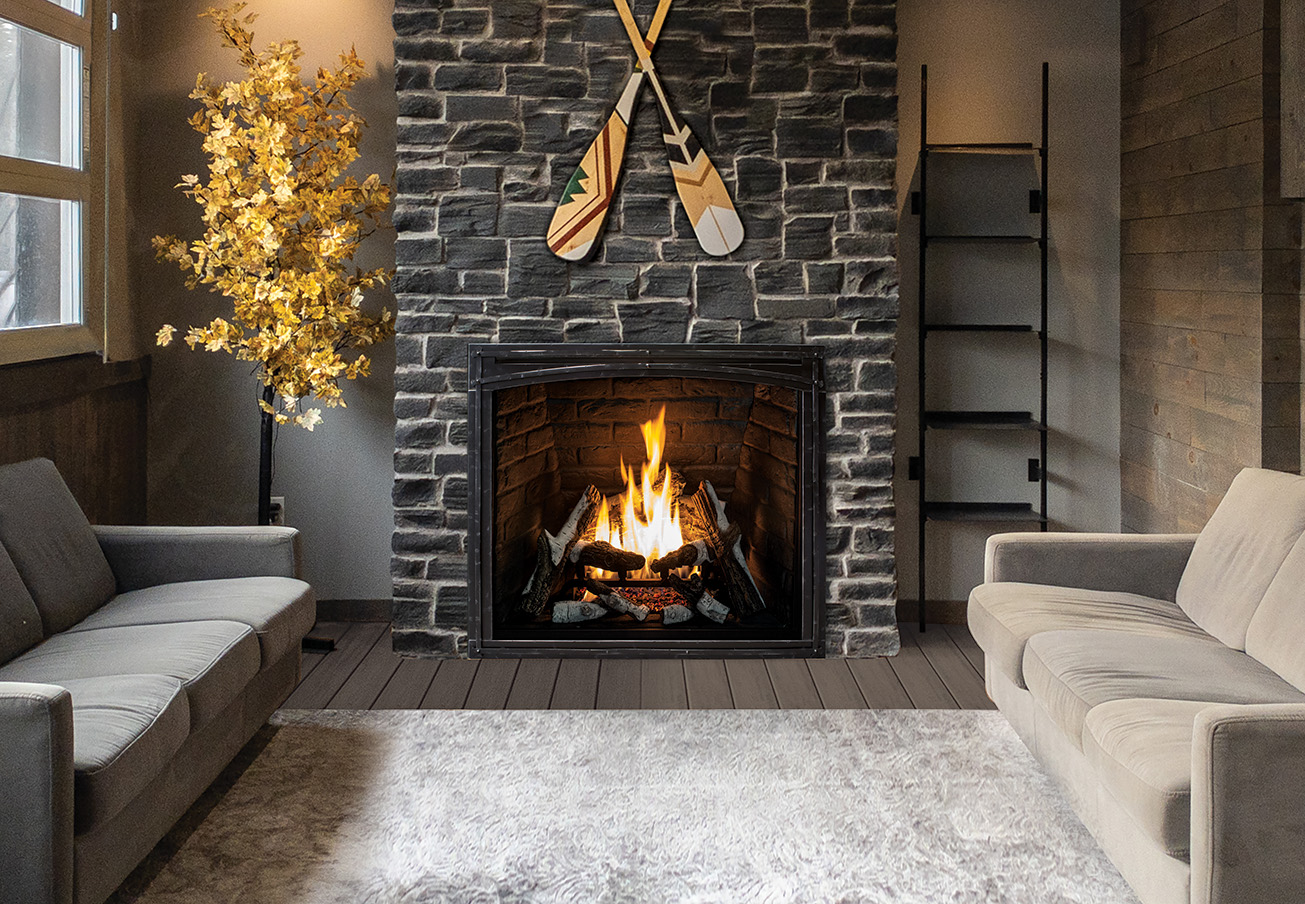
A fireplace adds warmth and comfort to a home, but neglecting proper maintenance can be risky. Many homeowners forget to maintain their chimneys, which can lead to creosote buildup, blockages, or structural damage. These problems decrease efficiency and pose fire or smoke hazards. Being aware of common issues and how to prevent them is essential for safe operation. This guide provides tips to spot potential dangers, ensure proper ventilation, and keep fireplaces safe and working well throughout the year.
Regular Inspections and Cleaning
Regular inspections and cleaning are essential for maintaining a safe and efficient chimney. Over time, soot, creosote, and debris can accumulate, increasing the risk of fires and reducing airflow. Weather exposure and animal activity can also damage the chimney structure, leading to cracks or blockages. Scheduling routine chimney inspections helps identify potential problems early and ensures the flue, cap, and masonry are in good condition. Combined with proper cleaning, these inspections prevent dangerous buildup, improve ventilation, and enhance energy efficiency. Homeowners can enjoy a safe, warm, and reliable fireplace throughout the year by keeping a chimney well-maintained.
Using the Right Firewood
Proper fuel selection significantly impacts both safety and fireplace longevity. Seasoned hardwoods like oak, maple, or birch are best—these woods are dried for at least six months, leading to cleaner burns and less smoke. Avoid burning green or wet wood, as it increases smoke and accelerates creosote deposits, a leading cause of chimney fires.
Installing a Chimney Cap
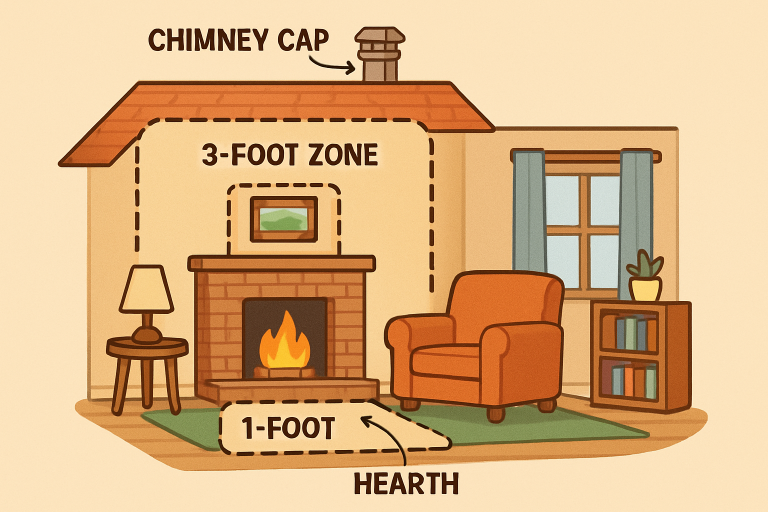
Chimney caps provide a simple but crucial defense against rain, birds, small animals, and wind-blown debris that can clog the flue. They also act as spark arrestors, catching embers before they can land on your roof and start a fire. Many homeowners opt for professional installation services to ensure the cap fits securely and functions correctly, reducing the risk of future damage. Check your chimney cap regularly for signs of wear, rust, or displaced screening—issues that can allow moisture and pests into your chimney system and compromise its safety and efficiency.
Ensuring Proper Ventilation
Proper airflow is essential both for safety and for fireplace efficiency. Always open the damper fully before lighting your fire and ensure it’s kept open during the entire burn. Restricted airflow causes incomplete combustion, which leads to increased smoke and accelerated creosote accumulation. Poor ventilation can also result in dangerous gases, like carbon monoxide, leaking into your living space.
Keeping the Fireplace Area Clear
Keep flammable objects—such as furniture, curtains, and area rugs—at least three feet away from the fireplace. This zone reduces the risk of stray sparks igniting surrounding materials and helps safeguard children and pets from burns. For additional safety, use a spark guard or fireplace screen whenever a fire is burning.
Installing Carbon Monoxide Detectors
Carbon monoxide, a colorless and odorless deadly gas, can leak from chimneys with cracks or inadequate ventilation. To ensure prompt detection, install detectors near your fireplace and in sleeping areas.
Never Leaving a Fire Unattended
Fires can become unpredictable if left alone—drafts can blow embers onto carpets, and logs can shift unexpectedly. Always remain in the room while your fire is actively burning and ensure it’s fully extinguished before you leave or retire for the night. A quick check reduces the chances of accidental house fires.
Educating Household Members
Teach all household members how to safely operate and monitor the fireplace, including opening the damper, recognizing chimney issues, and responding to emergencies. Conduct periodic drills and reviews, so everyone is prepared and confident should an issue arise.
Conclusion
Safe enjoyment of your home’s fireplace begins with regular maintenance and informed use. By following these guidelines—investing in routine inspections and cleanings, choosing the right wood, keeping your chimney capped, ventilated, and clear of hazards, and educating your family on proper procedures—you protect both your home and loved ones. Preventing chimney issues isn’t just about fire—it’s about ensuring your fireplace remains a trusted source of warmth and comfort for years to come.