
HEALTH
How Modern Periodontics Is Shaping Oral Health


Periodontics is the specialized field of dentistry dedicated to maintaining the health and integrity of the supporting structures of the teeth, primarily gums and bone. In recent years, this field has witnessed remarkable progress, revolutionizing the approach to both professional and patient care regarding gum health and disease. If you are seeking advanced periodontal care, working with a trusted Periodontist in Sarasota, FL can make a significant difference in your oral health outcomes.
Advances in periodontics are not only benefiting patients with existing gum conditions, but they are also placing a new emphasis on prevention and early detection. The integration of high-tech diagnostic tools, minimally invasive treatments, and personalized medicine means patients can now expect more precise, comfortable, and long-lasting results from periodontal therapy.
The field continues to merge traditional clinical insights with cutting-edge technology, affecting everything from how periodontists diagnose diseases to how regenerative therapies are performed, and even how patients are educated about gum health. These innovations are transforming the landscape of dental care and setting new standards for oral wellness.
Understanding these changes can help patients make informed decisions and prioritize preventive care, ensuring the health of their teeth and gums for years to come.
Advancements in Diagnostic Tools
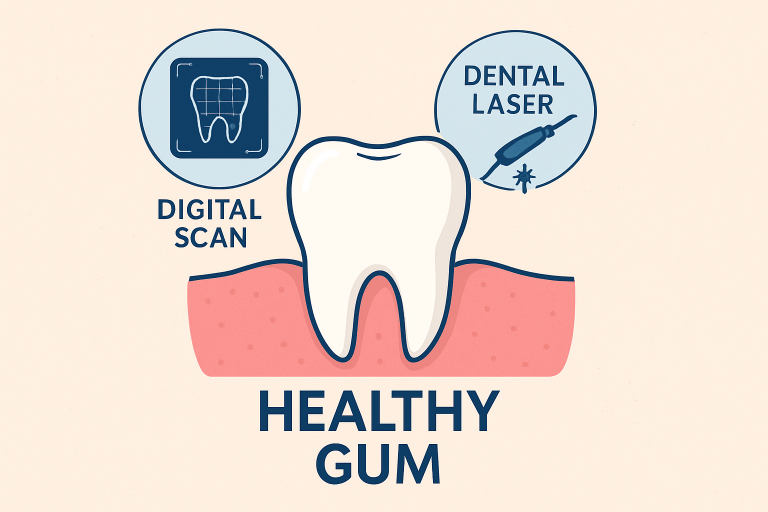
Early and precise diagnosis plays a pivotal role in effective periodontal care. Recent developments in imaging technology, such as 3D digital imaging and Cone Beam Computed Tomography (CBCT), have taken oral diagnostics to the next level. These tools provide a highly detailed visualization of bone density, periodontal pockets, and tooth roots, enabling clinicians to create tailored treatment strategies that can intercept periodontal disease before significant damage occurs.
With enhanced imaging and digital workflow, diagnosis is no longer based solely on physical examination and probing. Now, diagnostic accuracy and early intervention pave the way for more predictable outcomes, reducing the likelihood of tooth loss and the need for extensive procedures. According to WebMD, the timely use of advanced imaging increases the success rates of periodontal treatments by supporting early intervention strategies.
Minimally Invasive Treatment Techniques
Traditional surgical techniques, once the gold standard for treating advanced gum disease, often required cutting and suturing, leading to increased discomfort, longer healing times, and significant disruption to patients’ routines. The emergence of minimally invasive modalities—particularly laser-assisted therapies, such as the Laser-Assisted New Attachment Procedure (LANAP)—has dramatically altered this landscape.
LANAP and similar procedures use powerful dental lasers to selectively remove diseased tissue, disinfect periodontal pockets, and stimulate natural healing. Unlike conventional surgery, lasers spare healthy tissue, minimize bleeding, and allow for quicker recovery, making the treatment process easier for patients while still delivering highly effective results.
Regenerative Therapies
Restoration and regeneration have become central goals in periodontic therapy. Guided tissue regeneration (GTR) and the application of growth factors and biological proteins harness the body’s natural ability to regrow lost bone and gum tissue. These techniques not only improve the prognosis of teeth compromised by gum disease but also open new possibilities for rebuilding functional dental arches without resorting to extraction or prosthetics.
Biologic medications—such as platelet-derived growth factors—are applied during these surgeries or procedures to accelerate the healing and regrowth process, strengthening gums and reducing the risk of disease recurrence. It’s a shift from the historical model of simply removing diseased tissue to one of restoring and preserving the natural dentition whenever possible. To learn more about advances in regenerative dental therapies, see this article by Healthline.
Integration of Artificial Intelligence
As artificial intelligence (AI) becomes more common in healthcare, periodontics has seen significant benefits from machine learning and data analysis. AI-driven systems are capable of analyzing dental records and images to spot patterns and make assessments about the progression of gum disease, risk factors, and even optimal treatment protocols.
In some practices, AI algorithms review clinical notes and radiographs, streamlining not only diagnostic processes but also administrative workloads, thus allowing periodontists more time to focus on direct patient care. AI can predict the likelihood of disease recurrence, track patient outcomes, and offer recommendations for individualized care plans, making the future of periodontal care more proactive and data-driven. More information about the impact of AI in dentistry is available through research published in Nature.
Preventive Strategies and Public Awareness
Prevention is paramount in the new era of periodontics. High-profile public health campaigns—such as Gum Health Day, led by the European Federation of Periodontology—underscore the importance of prevention and routine oral hygiene. These efforts educate the public on the connections between gum health and systemic conditions, such as diabetes and cardiovascular disease, while promoting regular dental checkups and improved daily oral care.
Public and professional partnerships, as well as community outreach programs, address oral health disparities and promote healthy lifestyle habits. Guidelines and resources from major dental organizations are now more accessible than ever, empowering individuals to take proactive steps for their gum health. Individuals can learn about preventive care and risk assessment through organizations such as the American Dental Association.
Future Directions in Periodontics
The future of periodontics holds great promise with ongoing research into personalized oral medicine. Integrating individual genetic profiles and lifestyle factors into treatment planning could lead to truly tailored therapies, reducing relapse rates and optimizing recovery. Bioengineering—using laboratory-grown tissues to replace or reinforce weakened gum and bone structures—is an area under active investigation and could one day become the standard for severe periodontal reconstruction.
The convergence of biotechnology, AI, and clinical expertise means the next generation of periodontal care will be more efficient, less invasive, and highly individualized, offering hope for even the most complex gum conditions.
In summary, the rapid evolution of modern periodontics is redefining how oral health is preserved and restored. From innovative diagnostics and treatments to empowering patients through preventive education, staying up-to-date with these advancements is the foundation of lifelong dental wellness.