Business
How Experiential Marketing Engages Modern Audiences

Key Takeaways
- Experiential marketing transforms passive consumers into active participants, enhancing brand loyalty.
- Integrating emerging technologies like AR and VR can elevate experiential campaigns.
- Measuring the impact of experiential marketing is crucial for refining future strategies.
In today’s saturated digital landscape, brands must work harder than ever to make meaningful connections with consumers. Many are turning to Assist Marketing, among other agencies, to power strategies that put customers into the heart of the action. Experiential marketing offers a solution that invites the audience to be more than passive observers, helping companies stand out in a crowded space.
Rather than relying solely on traditional advertising, experiential marketing immerses consumers in memorable moments that reinforce positive emotional associations with a brand. This approach builds deeper relationships and often sparks organic sharing and advocacy, driving both immediate engagement and long-term loyalty.
Understanding Experiential Marketing
Experiential marketing, also called engagement marketing, is about creating interactive environments where consumers can connect with a brand through real-world experiences. By inviting direct participation and interaction, these campaigns provide more than a fleeting impression or advertisement. Instead, they offer consumers something tangible or memorable that fosters a stronger bond between the company and consumers.
Rather than delivering a one-sided message, experiential marketing blurs the line between brand and audience, making consumers feel valued and heard. The goal is to transform interactions into impactful stories people remember and share, amplifying a brand’s reach through authentic engagement.

Why Experiential Marketing Matters
Today, most consumers are exposed to thousands of ads each day, often tuning out traditional marketing tactics as background noise. Experiential marketing offers a solution by grabbing attention in unconventional ways and creating hands-on events that feel personal and exclusive. According to Advertising Week, 85% of consumers report being more likely to purchase after attending a brand’s live experience.
This approach does more than spark curiosity. It builds positive associations that last beyond the event itself. People who feel an emotional connection through authentic moments are more inclined to advocate for the brand, both online and offline, expanding the campaign’s reach organically.
Leveraging Technology in Experiential Marketing
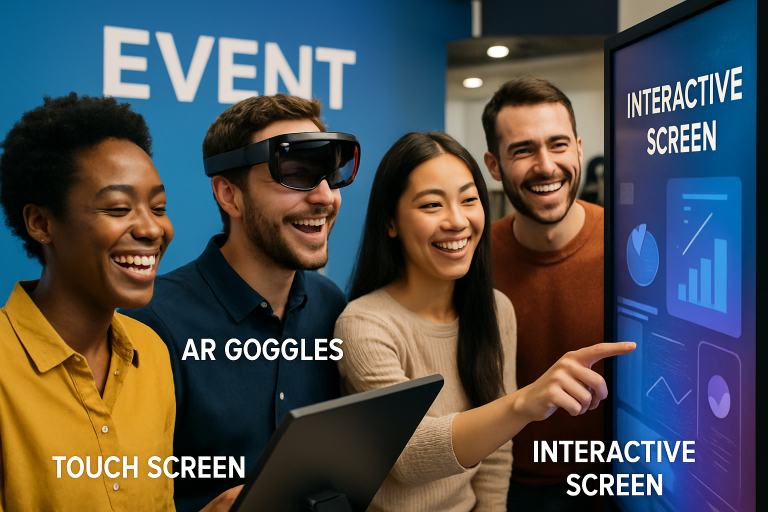
Technology is transforming experiential marketing by bringing new possibilities to brand interactions. Augmented reality (AR) and virtual reality (VR) are at the forefront, enabling brands to immerse participants in virtual worlds or augment real-life environments. These innovations bring creativity and excitement to campaigns, making them more memorable while delivering personalized value.
For example, a study at Advertising Week shows that immersive technology boosts audience comprehension and empathy, which, in turn, increases the likelihood that consumers will follow through with a purchase. Companies can also gather live feedback and analytics to understand the effectiveness of their campaigns better and tailor future efforts.
Real-World Examples of Successful Experiential Marketing
Some of the world’s most innovative brands have seen powerful results with experiential campaigns:
- Red Bull Stratos: Red Bull captured global headlines by sponsoring a space jump that aligned perfectly with its adventurous identity. The project generated excitement, record-breaking viewership, and millions of social media interactions.
- Google Pixel 9a Mixed Reality Campaign: By turning traditional print ads into an interactive experience, Google allowed users to scan ads with their phones to unlock AR features, creating a buzzworthy fusion of digital and physical spaces.
Measuring the Impact of Experiential Marketing
Understanding what works and why is critical for any experiential marketing strategy. Brands need to track a range of metrics, including real-time engagement, social media activity, website traffic, and the immediate sales lift following an event. Gathering qualitative data, such as participant feedback from surveys or post-event interviews, can shed additional light on consumer sentiment and the moments that resonate most.
Brands that prioritize thoughtful measurement can continually refine their approach, ensuring each new initiative builds on past successes. These insights are invaluable for justifying marketing spend and making informed decisions about future investments in experiential tactics.
Best Practices for Implementing Experiential Marketing
- Define Clear Objectives: Set precise goals for each campaign, whether the aim is to raise awareness, collect leads, or deepen customer engagement.
- Know Your Audience: Custom-tailor experiences to align with the values, interests, and behaviors of your target demographic.
- Integrate Technology Thoughtfully: Use AR, VR, or other digital tools to strengthen, not overshadow, the core brand story and objectives.
- Ensure Authenticity: Create sincere moments that reflect your organization’s mission and foster genuine connections with participants.
- Measure and Analyze: Systematically track key performance indicators and gather participant insights to guide ongoing strategy refinement.
Conclusion
Experiential marketing provides brands with a powerful approach to connect meaningfully with today’s selective consumers. By designing immersive events that engage all senses and integrating innovative technologies, brands create memorable experiences that leave lasting impressions. These interactions foster deeper emotional connections, encouraging loyalty and transforming audiences into passionate advocates. Successful experiential campaigns focus on authenticity, creativity, and alignment with brand values, ensuring that each touchpoint resonates with participants. Additionally, tracking engagement, feedback, and measurable outcomes helps refine strategies and demonstrate return on investment. When executed thoughtfully, experiential marketing not only captures attention but also builds enduring relationships and long-term brand value.

