
Tech
How Everyday Devices Are Shaping the Future of Digital Living

Key Takeaways:
- Smart home devices enhance convenience by automating routine tasks.
- Energy-efficient technologies contribute to cost savings and environmental sustainability.
- Advanced security systems provide real-time monitoring and alerts, bolstering home safety.
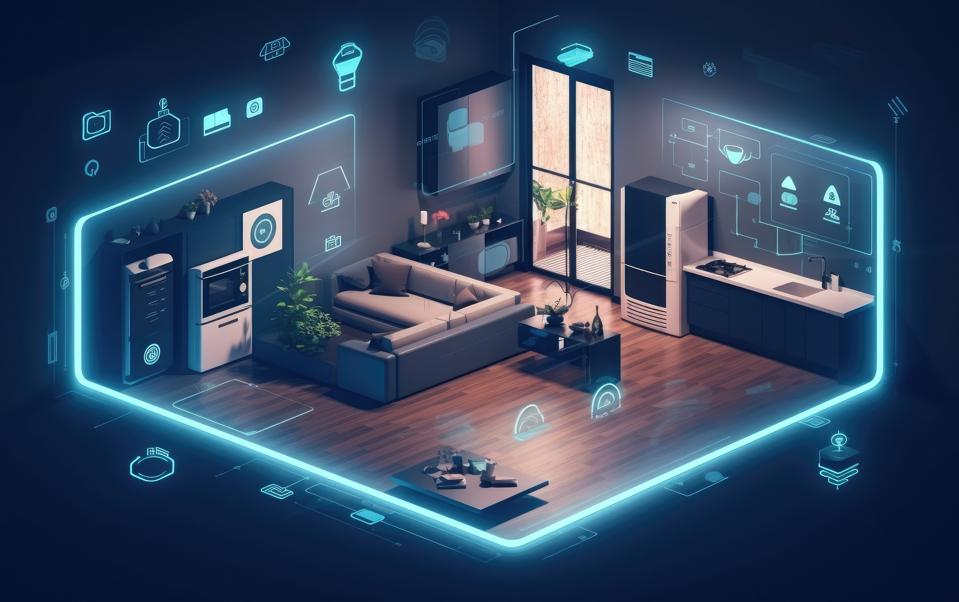
Smart homes have shifted from aspirational concepts to a standard expectation in contemporary life. The swift adoption of intelligent devices by households worldwide brings automation to everyday routines, revolutionizing tasks such as climate adjustment, security monitoring, and entertainment control. With smart thermostats learning your habits and voice assistants responding to natural conversation, digital living is continuously redefined by advanced, user-centric solutions. These innovations do more than streamline tasks—they foster living spaces that evolve alongside their users’ lifestyles. This transformation’s true power is seen in how technology nurtures harmony between convenience, sustainability, security, and personal wellness. As the ecosystem expands and becomes increasingly user-friendly, it becomes essential to understand not only the functionality of these devices but also their broader impact on our environments and futures, signaling a shift in how homes and their inhabitants interact daily.
Welcome to an era where intelligent technology is not just an add-on but a foundation of our everyday experiences, subtly transforming how we interact with our living spaces. Everyday devices have evolved from basic tools into sophisticated, interconnected systems designed to boost our quality of life. Through seamless integration, these smart technologies have formed a new digital ecosystem in our homes, creating environments where convenience and efficiency come naturally. The range of devices now available is vast, from lights that respond to occupancy and ambient conditions to refrigerators that can create shopping lists and security systems that notify you of unusual activity before it becomes an issue. Tasks that once required manual effort now happen quietly in the background, tailored precisely to each person’s routines and preferences. This constant optimization isn’t just about saving time—it directly supports sustainability goals and fosters healthier, more comfortable living for individuals and families. Resources like Apple support solutions ensure that users have the help to manage and troubleshoot this burgeoning array of technology, giving everyone the tools to embrace digital living fully.
Smart Thermostats: Personalized Climate Control
Modern smart thermostats are central to efficient home climate management, standing as a perfect illustration of how digital innovation optimizes daily life. By leveraging advanced sensors and self-learning algorithms, these devices learn about your daily and weekly routines—knowing the difference between when the house is bustling with activity and when it’s empty. This allows them to automatically adjust heating and cooling in real-time, anticipating your arrival and minimizing energy wastage when spaces are unoccupied. Many thermostats can be controlled from anywhere via smartphone, letting you adjust temperatures remotely if your schedule changes. As the system becomes more attuned to your lifestyle, it delivers unrivaled comfort while actively reducing energy consumption, resulting in substantial long-term savings and a measurable drop in your home’s environmental footprint. In neighborhoods with high adoption rates, communities benefit from reduced energy peaks and more stable demand. Such smart climate control redefines our relationship to household comfort by making temperature management seamless, intelligent, and eco-friendly. These devices also integrate with broader smart home systems, allowing coordinated control alongside lighting, security, and appliances. Updates and new features can often be added through software, increasing functionality. Energy reports provided by smart thermostats give users greater insight into usage patterns and potential savings opportunities. For homeowners focused on sustainability, this level of control contributes directly to a greener lifestyle. Ultimately, smart thermostats are more than just convenience—they’re essential for responsible and responsive home management.
Intelligent Lighting Systems: Enhancing Ambiance and Efficiency
Lighting has come a long way from the days of simple on-off switches. Today’s intelligent lighting systems provide automatic adaptation based on the time of day, the presence of occupants, and even specific user activities. With features offering a spectrum of color and brightness adjustments, these systems promote better mental and physical health by mimicking natural light cycles, boosting focus and relaxation as needed. Integrated with other smart home products, intelligent lighting can be controlled using simple voice commands or set on automated routines that align with personal schedules. Imagine a house where the lights gradually brighten to help you wake up in the morning and softly dim to cue your evening wind-down—it’s convenient and deeply supportive of natural rhythms. Smart lighting extends into specialized uses, such as accentuating artwork, creating immersive movie nights, or enhancing security by simulating occupancy when you’re away. These capabilities combine to maximize efficiency, foster well-being, and create an atmosphere tailored to any mood or moment.
AI-Powered Security Systems: Real-Time Monitoring and Alerts
Safety at home is a primary concern, and recent advancements have brought automation and intelligence to security. Modern systems are equipped with AI-enabled cameras and sensors that distinguish between everyday activity and potential threats—minimizing false alarms while delivering fast, accurate alerts. Real-time monitoring lets you check live video feeds or security statuses from anywhere, and smart doorbells allow for two-way communication with visitors from a mobile device. Some systems integrate facial recognition, so they only notify you about unfamiliar faces, enhancing peace of mind and reducing unnecessary disturbances. These advanced features ensure that security remains robust and proactive, providing detailed event histories and integrating seamlessly with law enforcement when necessary. As a result, these systems serve as both a deterrent and a practical layer of protection for today’s connected homes, ensuring that safety is as intelligent and adaptive as every other aspect of digital living.
Connected Appliances: Streamlining Household Tasks
Beyond convenience, connected appliances introduce true automation to daily chores, helping families save time and effort while improving the quality of life. Smart refrigerators keep track of your food inventory, notify you of expired items, and suggest recipes tailored to what’s on hand—making meal preparation more efficient and reducing food waste. Washing machines and dryers can now optimize their cycles based on load weight, fabric type, and user preferences, all while conserving energy and water. In the kitchen, smart ovens allow for preheating or monitoring cooking progress through your phone, bringing flexibility to your meal planning and prep. When connected to a digital assistant, these appliances can be activated by voice or set to run in sync with your schedule, helping you make the most of busy days. Altogether, connected appliances are driving a new era of convenience, allowing people to spend less time on chores and more time on what matters most to them.
Voice-Activated Assistants: Centralized Control Hubs
Voice assistants, such as those powered by advanced AI, have quickly become indispensable in many homes. Their ability to understand natural speech and efficiently carry out complex requests makes them central control hubs for the smart home ecosystem. By enabling users to speak their instructions, these platforms remove the friction of interacting with technology, making control over a growing array of devices almost effortless. Beyond device management, assistants offer extensive utility by managing reminders, alarms, and to-do lists, and answering questions using real-time online data. Increasingly, they support individualized routines that automate morning wake-ups, control entertainment options, and coordinate with calendars. They even provide accessibility benefits for users with mobility or vision impairments, making smart homes more inclusive. A connected environment enhances productivity and comfort by adapting smoothly to every family member’s needs.
Energy Management: Optimizing Consumption
Smart devices are excellent allies in promoting energy conservation, often working quietly in the background to reduce waste and maximize efficiency. Sophisticated energy management systems collect usage statistics across the home, helping homeowners pinpoint inefficiencies and gain insights into consumption patterns. With the ability to remotely control and schedule appliances and heating/cooling systems, these platforms ensure that power is only drawn when necessary. By providing granular control and timely feedback, households can adjust their habits to minimize costs and environmental impacts. Integrating green technologies, such as solar panels or smart grids, further enhances their contribution to sustainability. As these strategies scale, communities can collectively reduce energy peaks and improve grid reliability, demonstrating that small home changes substantially benefit society and the planet.
Health and Wellness: Smart Health Monitoring
Smart devices now include health and wellness solutions that reshape personal care at home. Innovations in sensors and connectivity enable devices like smart scales, monitors, and air quality sensors to help individuals manage their health by providing insights into vital signs and automatic environmental adjustments. Medical reminders and fall detection offer independence and peace of mind, while data sharing with healthcare providers supports early detection and personalized care—all from home. As technology advances with AI and better connectivity, smart devices will become more personalized, efficient, and secure, enhancing everyday living with support from resources like Apple Support for a more responsive, connected, and sustainable home.