
NEWS
How Efficient Water Heaters Lower Energy Bills

Key Takeaways
- Water heating accounts for about 18% of household energy use, making efficiency upgrades a major opportunity for savings.
- Older water heaters waste energy through standby heat loss, while modern systems are designed to reduce unnecessary energy consumption.
- High-efficiency options such as heat pumps, tankless, solar, and condensing water heaters can significantly lower utility bills and improve performance.
- Upgrading to an efficient system can reduce carbon emissions and deliver long-term financial savings despite higher upfront costs.
- Incentives, rebates, and tax credits can help offset installation costs and make upgrades more affordable.
- Regular maintenance, such as flushing the tank, insulating pipes, and setting proper temperatures, helps maintain efficiency and extend system lifespan.
- Professional inspection ensures optimal performance and can prevent costly repairs over time.
Understanding Water Heater Efficiency
Water heating accounts for about 18% of the typical home’s energy use, making it the second-largest contributor to energy bills after heating and cooling. Many homeowners in Atlanta are surprised at just how much energy their water heater may be using, especially if the unit is outdated or lacks newer efficiency features. Whether you are seeking to make your home more sustainable or simply want to cut monthly costs, considering water heater installation and service in Atlanta, GA can be an impactful decision.
Traditional water heaters store and constantly reheat a large tank of water to ensure a ready supply. While convenient, this process leads to standby heat loss, which wastes energy by keeping water hot even when no one is using it. Older water heater models can be particularly inefficient, lacking improved insulation and technology designed to minimize such losses.
Modern water heaters, by contrast, employ smarter designs and heating techniques to reduce unnecessary energy use. The result is less wasted electricity or gas, lower monthly bills, and a more comfortable home. With advances in technology, it is now possible to achieve reliable hot water while using a fraction of the energy required by older systems.
Types of Efficient Water Heaters
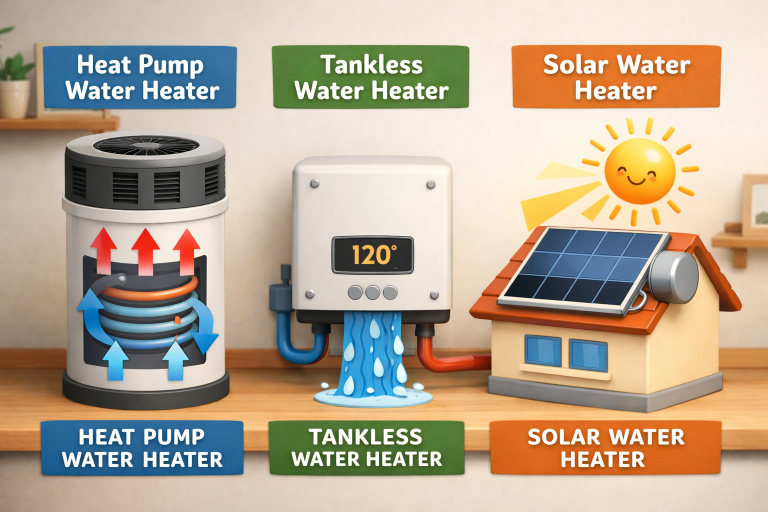
- Heat Pump Water Heaters: These systems use electricity to move heat from the air or ground into the water, rather than generating heat directly. By leveraging ambient heat, they consume much less electricity than standard electric resistance heaters. In some cases, a high-efficiency heat pump water heater can use as little as one-quarter the energy of a traditional model.
- Tankless Water Heaters: Also called on-demand water heaters, these units eliminate the need to constantly reheat stored water. Instead, they rapidly heat water as soon as a tap is opened. This approach eliminates standby losses and ensures you use energy only when you actually need hot water. Tankless units are especially popular in smaller homes or where space is limited.
Additional Efficient Water Heater Options
Besides the popular heat pump and tankless varieties, there are a few other efficient water heater technologies worth considering for homeowners seeking maximum returns. Solar water heaters harness solar energy to provide hot water, dramatically reducing utility costs in areas with abundant sunlight. These systems use solar panels, either mounted on the roof or on the ground, to preheat water before it enters a conventional tank or a tankless unit, reducing the time and energy required from traditional sources.
Another increasingly popular choice is the condensing water heater, which extracts additional heat from the unit’s exhaust gases. This process increases efficiency, particularly in models fueled by natural gas or propane. Condensing units are particularly well-suited for homes with high hot water demand, as they offer a reliable supply and outstanding performance even during periods of heavy use.
When selecting the right water heater for your household, it’s important to consider not just the initial installation cost, but also long-term energy savings, maintenance requirements, and compatibility with your home’s plumbing and energy sources. Many reputable local contractors offer energy audits and professional advice, helping homeowners identify the most suitable options. This tailored approach ensures homeowners maximize efficiency while enjoying dependable hot water year-round.
Benefits of Upgrading to an Efficient Water Heater
When deciding to upgrade to a high-efficiency water heater, homeowners can expect several advantages:
- Lower Utility Bills: Expect reduced energy costs, as modern units are designed to minimize energy losses and maximize useful output.
- Reduced Carbon Footprint: Using less energy to heat your water translates to fewer greenhouse gas emissions. Efficient water heaters are one of the most direct ways to reduce your home’s environmental impact.
- Long-Term Returns: While the upfront cost may be higher, energy savings accumulate year after year, often paying for the cost difference and then some.
Financial Incentives and Rebates
Many local utilities and governments offer incentives to encourage the adoption of energy-efficient appliances. For example, homeowners in San Francisco can receive up to $1,200 in bill credits when upgrading to an efficient heat pump water heater. These incentives are designed to offset initial costs and accelerate the return on investment for these upgrades.
In addition to rebates and bill credits, some federal tax credits are available for qualifying high-efficiency water heater installations. These credits can significantly reduce the up-front expense of replacing an outdated unit. Before purchasing, it is wise to check eligibility requirements and consult with your contractor or local energy office to maximize savings opportunities. Taking advantage of available incentives can make efficient water heaters much more attainable for homeowners while supporting the broader push for sustainability.
Maintenance Tips for Optimal Efficiency
Regular upkeep is essential to keep any water heater operating at peak performance. Annual tank flushing helps remove sediment that can gather at the base of the tank, which, if left unchecked, impairs efficiency and shortens the unit’s life. Pipe and tank insulation further prevent heat loss, improving overall performance. Finally, setting the thermostat to 120°F is sufficient for most households and helps to avoid wasted energy and reduce the risk of scalding.
- Flush the Tank Each Year: Removes mineral buildup and keeps heating elements exposed for efficient heating.
- Insulate Pipes and Tank: Prevents heat from escaping and reduces the energy needed to maintain set temperatures.
- Check the Thermostat: Maintaining a temperature of around 120°F is typically ideal for both energy savings and user safety.
It’s also a good idea to have a professional inspect your water heater periodically. A technician can check for leaks, monitor the anode rod, which protects the tank from corrosion, and make recommendations for repairs or efficient upgrades. Preventative care not only extends the lifespan of the water heater but also ensures your system runs as efficiently as possible at all times, maximizing your savings.
Final Thoughts
Choosing to install a more efficient water heater delivers reliable comfort, lower energy bills, and long-lasting environmental benefits. With multiple advanced models available for different household needs, and with incentives to help with purchase costs, now is an excellent time for homeowners to consider upgrading.