HEALTH
How Daily Habits Shape Oral Health

Introduction
Daily routines play a significant role in determining the long-term health of our teeth and gums. While regular dental appointments are vital, it’s often the repeated actions at home—such as dietary choices, hydration, and stress management—that lay the foundation for oral wellness. Integrating excellent preventive dental care in Logan into your lifestyle, along with understanding how habits affect your mouth, can be the key to a lifelong healthy smile. The habits you choose today set the trajectory for your dental future, making awareness and consistency essential.
Let’s examine the daily factors that can make or break your oral health, and discover how simple, mindful changes can have lasting positive effects.
Diet and Oral Health
The foods we eat at Logan Dental Care directly impact the health and longevity of our teeth. Sugary snacks and drinks enable harmful bacteria to thrive, which in turn increases acid production and weakens the enamel. Not only is the amount of sugar important, but the timing—such as frequent snacking—also matters, as it stops saliva from rebalancing your mouth’s pH.
Smart Food Choices
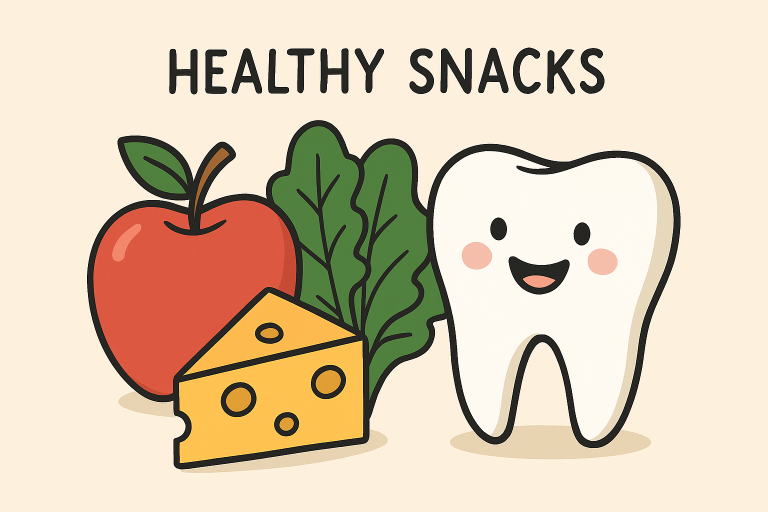
Opt for snacks that promote dental health, like cheese, plain yogurt, leafy greens, and crunchy fruits and vegetables. These foods can help buffer acids and provide essential vitamins and minerals, such as calcium and vitamin C, which are crucial for strong teeth and healthy gums.

Hydration and Saliva Production
Saliva acts as one of your mouth’s best defenses, constantly flushing away debris and diluting acids. When you’re dehydrated, saliva production drops, making your mouth vulnerable to cavities, gum disease, and even bad breath.
Tips for Staying Hydrated
Drink water consistently throughout the day, especially after meals or sugary snacks. Limiting dehydrating beverages, such as caffeinated sodas and alcohol, can also encourage better saliva flow and protect your oral environment.
Sleep Patterns and Oral Health
A good night’s sleep is closely connected to good oral health. Irregular or insufficient sleep can weaken your immune system, making your gums more prone to inflammation and infection. Research indicates that children with erratic sleep schedules often face higher rates of cavities.
Why Routines Matter
Establishing regular bedtime habits helps your body repair and maintain tissues, including those in your mouth. Adults benefit just as much as children from consistent, restful sleep.
Stress and Its Impact on Teeth
Many signs of chronic stress appear in the mouth. Habits like grinding teeth and jaw clenching can cause chips, cracks, or abnormal wear. Additionally, stress can lower immune function, increasing the risk of gum infections and delaying healing after dental procedures.
Managing Stress for Oral Wellness
Common techniques for stress management, such as mindfulness, deep breathing, and physical activity, can not only improve your overall well-being but also protect your teeth from damage due to bruxism (teeth grinding) and other stress-related habits.
Oral Hygiene Practices
Consistent brushing and flossing remain the most effective tools for maintaining a healthy smile. Brushing twice a day with fluoride toothpaste helps remove plaque and prevent cavities, while daily flossing eliminates food particles between teeth that brushing can’t reach. Adding mouthwash to your routine can further combat bacteria and keep your breath fresh.
Building Effective Habits
Replace your toothbrush every three to four months, or after an illness, and consider using interdental brushes if flossing is difficult for you. Technique matters: gentle, circular motions and thorough coverage are most effective.
Lifestyle Choices and Dental Health
Lifestyle choices, including smoking and drinking, have a significant impact on dental health. Smoking not only stains teeth—it disrupts gum tissue and significantly increases the risk of periodontitis (severe gum disease). Excessive alcohol intake can dry out the mouth and promote bacterial growth.
Healthier Alternatives
Quit smoking and limit alcohol consumption for a dramatic reduction in dental health risks. Replacing these habits with healthier alternatives, such as drinking herbal tea or eating crunchy vegetables, benefits both your mouth and your entire body.
Regular Dental Check-ups
Regular professional dental visits play a crucial role in maintaining oral health. Dentists offer thorough cleanings to remove tartar that brushing alone can’t eliminate, detect early signs of decay, and provide personalized advice tailored to your specific needs. Skipping these check-ups can allow small issues to develop into major, painful, and expensive problems.
How Often Should You Visit?
Most people benefit from visiting their dentist every six months, but those with higher risk factors, such as a history of gum disease, may need more frequent visits.
Conclusion
Every day decisions have a profound and lasting impact on oral health. Nutritious food, adequate hydration, restful sleep, effective stress management, and diligent oral hygiene all work together to create a resilient and healthy smile. By prioritizing these positive habits and maintaining regular dental visits, anyone can enjoy the long-term rewards of a confident, healthy mouth.

