Business
How Corporate Gifting and Branded Merchandise Elevate Brand Engagement

The Strategic Role of Corporate Gifting and Branding


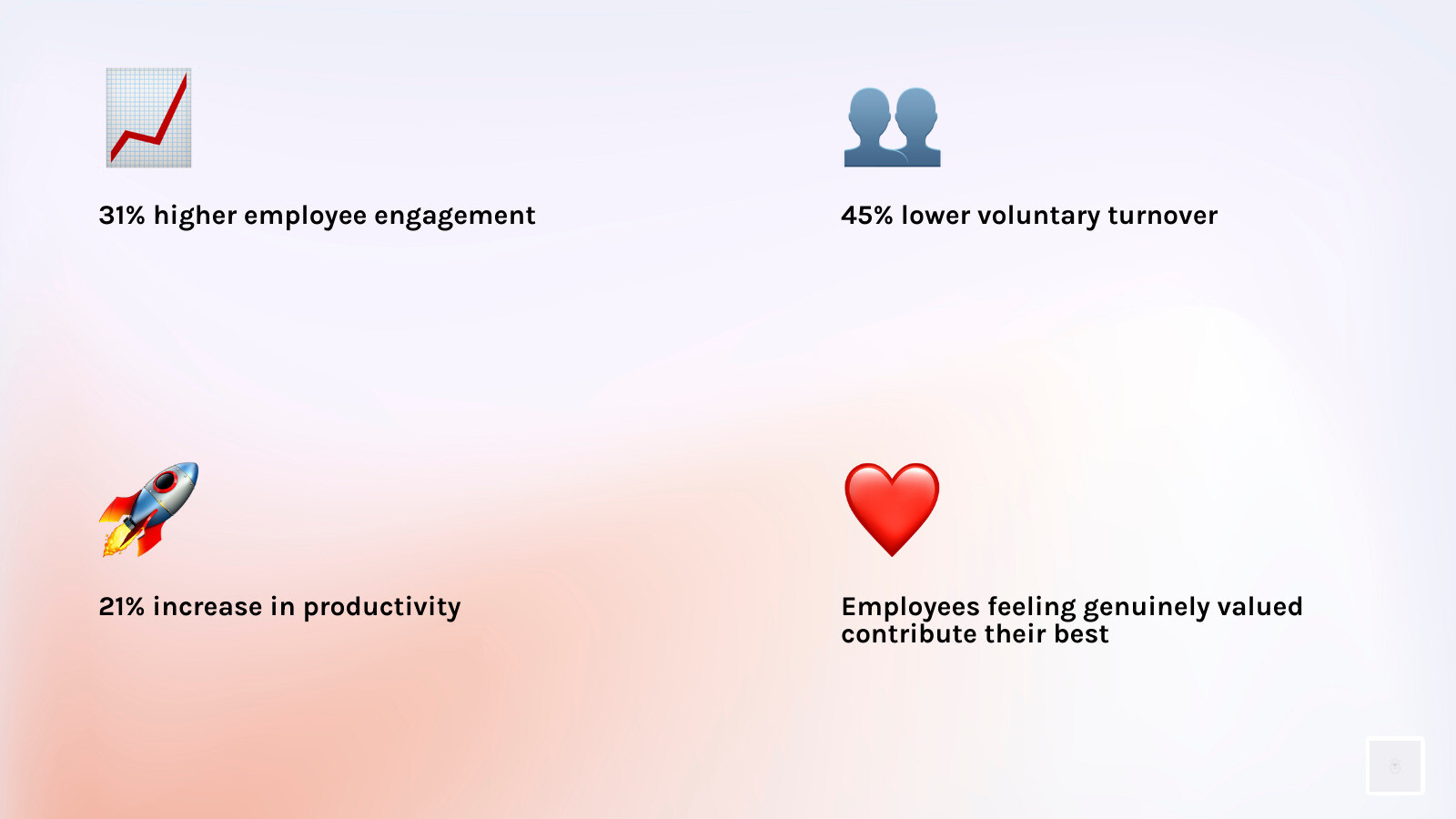
We know that employees who feel genuinely valued are far more likely to contribute their best. Research highlights this clearly: companies with robust recognition programs often report 31% higher engagement, 45% lower voluntary turnover, and a notable 21% increase in productivity.


Despite these compelling benefits, studies also show a significant gap. Nearly three out of four employees believe they deserve more recognition for their hard work. This suggests a powerful, yet often underutilized, strategy for strengthening company culture.
This extensive guide will explore how a well-designed employee recognition program can profoundly transform your workplace. We will cover what makes these programs impactful, walk through the steps for successful implementation, and examine how thoughtful elements like Branded recognition gifts can uniquely reinforce appreciation and foster a stronger sense of belonging.
Beyond direct acknowledgment, corporate gifting and branding play a profound strategic role in shaping an organization’s identity and culture. When employees receive high-quality branded merchandise, it’s not just a gift; it’s a tangible representation of their connection to the company. This approach extends internal marketing efforts, fostering a sense of pride that can turn employees into powerful advocates for the brand. It reinforces organizational values, ensuring that the company’s ethos is not just spoken but also felt and worn by its team members.
Building Brand Loyalty through Corporate Gifting and Branding
Thoughtfully chosen corporate gifts, especially those that are branded, are more than just tokens of appreciation; they are tools for cultivating deep-seated brand loyalty among employees. When companies invest in items that reflect their values and mission, they create a cohesive internal community. These items serve as daily reminders of what the company stands for, helping employees feel more aligned with its purpose. This alignment naturally transforms team members into brand ambassadors, eager to represent and speak positively about their workplace. For HR professionals looking to make a lasting impression, exploring options like Branded recognition gifts can provide tailored solutions that resonate deeply with employees and reinforce company values.
Enhancing the Employee Experience with Corporate Gifting and Branding
The impact of corporate gifting and branding on the employee experience is multifaceted. It directly contributes to improved morale, as employees feel seen and appreciated for their contributions. This sense of value, in turn, nurtures psychological safety within the workplace, where individuals feel secure enough to take risks, innovate, and express themselves without fear of negative repercussions. When employees receive items that connect them to the company, it strengthens their sense of belonging, making them feel like an integral part of a larger team. This heightened employee satisfaction and professional pride are invaluable assets, fostering a positive work environment where individuals thrive.
Designing an Impactful Employee Recognition Program
An impactful employee recognition program is a carefully constructed system designed to acknowledge and reinforce desired behaviors and achievements. It moves beyond sporadic gestures to create a consistent, meaningful culture of appreciation. Such programs typically encompass various forms of recognition, catering to different needs and situations within the workplace.
At its core, an effective program integrates different types of recognition to ensure comprehensive coverage. These can broadly be categorized as:
- Manager-to-Employee Recognition: This is the traditional top-down approach, where managers acknowledge the efforts, achievements, and milestones of their direct reports. It often includes verbal praise, written commendations, bonuses, or promotions. This type of recognition is crucial for career development and formal acknowledgment.
- Peer-to-Peer Recognition: This form allows colleagues to recognize each other’s contributions. It’s often more frequent and specific, highlighting day-to-day efforts that managers might not always observe. Peer recognition fosters teamwork, builds camaraderie, and creates a supportive work environment, significantly boosting engagement scores.
- Social Recognition: This involves public acknowledgment of an individual’s or team’s achievements. It could be a shout-out in a company meeting, a post on an internal communication platform, or a feature in a company newsletter. Social recognition amplifies positive behaviors and inspires others.
- Monetary Recognition: This includes financial rewards such as bonuses, gift cards, or salary increases. While not the only driver of motivation, monetary rewards are a powerful way to show tangible appreciation for significant contributions. It’s often most effective when paired with specific, social recognition.
- Milestone-Based Recognition: This focuses on celebrating significant events like work anniversaries, project completion, or personal achievements. These structured recognitions provide a consistent cadence for appreciation throughout an employee’s journey.
For any recognition program to truly resonate, transparency in its criteria is paramount. Employees need to understand what actions warrant recognition and how the system works to ensure fairness and prevent perceptions of favoritism. This clarity builds trust and encourages broader participation.
Establishing Clear Objectives and Budgets
Successful implementation of an employee recognition program begins with establishing clear objectives. What do we aim to achieve? Is it to boost engagement, reduce turnover, enhance productivity, or reinforce specific company values? Defining these goals early on helps shape the program’s design and provides benchmarks for measuring its effectiveness. For instance, if the goal is to increase engagement, we might track participation rates in peer recognition platforms or survey employees on their feelings of appreciation.
Budget allocation is another critical step. A recognition program without adequate funding can quickly lose momentum. Research suggests that an annual spend of $200-$350 per employee can yield significant impact, providing enough flexibility for diverse recognition types without being overly extravagant. This budget needs to cover everything from small, frequent gestures to larger, milestone-based rewards. Ensuring program sustainability means not just securing initial funding but also planning for ongoing resources and demonstrating a clear return on investment (ROI) to leadership.
Aligning Rewards with Company Values
The most impactful recognition programs are those deeply embedded in an organization’s culture and values. When recognition is authentic, it’s not just about saying “thank you”; it’s about reinforcing what the company stands for. This means ensuring that the behaviors and achievements being recognized are directly tied to the company’s core values. For example, if innovation is a key value, employees who demonstrate creative problem-solving should be specifically acknowledged for that contribution.
Specificity is crucial. Generic praise often falls flat. Instead, recognition should clearly articulate what the employee did, how it aligns with company values, and what impact it had. Consistency in applying these criteria across the organization ensures fairness and reinforces the message that these values are truly important. This behavioral reinforcement, through specific and consistent recognition, helps to cultivate a culture where desired actions become the norm. It’s about turning core value shout-outs into a regular practice, making company values a living, breathing part of daily work life.
Tailoring Recognition for Remote and Global Teams
The rise of remote and hybrid work models has transformed the landscape of employee recognition, demanding innovative approaches to ensure global inclusivity and localized impact. Recognizing team members who aren’t physically present requires intentionality and the right tools. Digital delivery methods become essential, allowing for seamless distribution of appreciation across different geographies and time zones.
One effective strategy is the use of eCards, which can be easily customized and sent to acknowledge achievements, birthdays, or milestones. These digital greetings can bridge geographical gaps and make recognition feel immediate and personal. However, for more tangible forms of appreciation, careful consideration of shipping logistics is paramount. Partnering with services that handle international shipping and customs can simplify the process of sending physical gifts, ensuring they arrive promptly and without unexpected costs for the recipient.
Moreover, cultural relevance cannot be overstated when recognizing global teams. What is considered a thoughtful gesture in one culture might be misinterpreted in another. Programs must be flexible enough to allow for localized impact, respecting diverse traditions and preferences. This might involve offering a choice of gifts, allowing employees to select something meaningful from a curated catalog specific to their region. For companies looking to provide thoughtful and practical gifts for their distributed workforce, resources like Best Gift Ideas for Remote Employees: The Ultimate Work-from-Home Gift Guide 2025 and Remote Employee Gift Ideas: Work-from-Home Presents offer excellent starting points for inspiration and planning. Tailoring recognition ensures that every team member, regardless of their location, feels genuinely valued and connected to the broader organization.
Measuring the ROI of Recognition and Custom Merchandise
Demonstrating the return on investment (ROI) of an employee recognition program is crucial for securing continued leadership buy-in and optimizing its effectiveness. While the qualitative benefits of improved morale and culture are evident, quantifying the impact provides a compelling business case.
Companies can measure success through a variety of key performance indicators (KPIs):
- Turnover Reduction: One of the most significant impacts of effective recognition is on employee retention. By tracking voluntary turnover rates before and after program implementation, organizations can directly link recognition efforts to a more stable workforce. Employees who regularly receive recognition are 56% less likely to seek other job opportunities, potentially saving millions in recruitment and training costs.
- Engagement Scores: Employee engagement surveys are a direct way to gauge how valued and connected employees feel. Companies with strong recognition programs often see 31% higher engagement. Regular surveys can track changes in engagement scores, particularly those related to feelings of appreciation and belonging.
- Productivity Metrics: Recognition has a tangible link to productivity. Studies show a 21% increase in productivity for companies with robust recognition programs. This can be measured by tracking individual or team output, project completion rates, or efficiency metrics relevant to specific roles. Employees who are recognized weekly are 2.6 times more likely to be their most productive selves.
- Employee Feedback Loops: Beyond quantitative data, qualitative feedback is invaluable. Conducting interviews, focus groups, and suggestion boxes allows employees to share their perceptions of the recognition program, highlighting what works well and areas for improvement. This direct input ensures the program remains relevant and impactful.
By consistently monitoring these metrics, organizations can clearly illustrate how their investment in recognition, including custom merchandise, translates into a more engaged, productive, and loyal workforce, ultimately contributing to the company’s bottom line.
Frequently Asked Questions about Employee Recognition
Implementing an employee recognition program often brings up several common questions. Let’s address some of these to provide a comprehensive understanding.
What is an employee recognition program?
An employee recognition program is a structured system designed by an organization to acknowledge and reward the efforts, achievements, and contributions of its employees. It goes beyond basic compensation to foster a culture of appreciation, aiming to boost morale, reinforce desired behaviors, and celebrate both significant milestones and everyday successes. It’s a strategic approach to showing employees they are valued, leading to increased engagement and retention.
How do you successfully implement a recognition program?
Successful implementation of a recognition program involves several key steps:
- Define Clear Objectives: Start by identifying what you want the program to achieve (e.g., improve retention, boost morale, reinforce values).
- Secure Leadership Buy-in: Gain support from senior management, ensuring they understand the benefits and actively participate as role models.
- Design the Program: Determine the types of recognition (manager-to-employee, peer-to-peer, social, monetary), criteria for awards, and the frequency of recognition.
- Select Appropriate Tools: Choose platforms or systems that facilitate easy and consistent recognition, whether digital platforms for eCards or systems for managing physical gifts.
- Train Managers and Employees: Educate everyone on how to give and receive recognition effectively, emphasizing specificity and authenticity.
- Launch and Communicate: Introduce the program with clear guidelines and excitement, ensuring all employees know how to participate.
- Measure and Adapt: Continuously track key metrics like participation rates, engagement scores, and employee feedback. Be prepared to make adjustments based on the data to ensure the program remains impactful and relevant.
What are the best practices for making recognition equitable?
Equitable recognition ensures that all employees, regardless of their role, background, or work location, feel equally valued and have fair opportunities to be recognized. Best practices include:
- Inclusivity: Design the program to be accessible and relevant to everyone, from frontline staff to senior leadership, and across diverse cultural backgrounds.
- Bias Reduction: Implement clear, objective criteria for recognition to minimize unconscious bias. Consider using tools that anonymize or review recognition messages to ensure fairness.
- Peer-to-Peer Accessibility: Empowering employees to recognize their peers helps democratize the process, as colleagues are often best positioned to observe daily efforts and contributions that might otherwise go unnoticed. This also increases the frequency of recognition.
- Consistent Criteria: Apply the same standards for recognition across all departments and roles. This doesn’t mean giving everyone the same award, but rather ensuring that similar achievements receive comparable acknowledgment.
- Visibility for All Roles: Ensure that contributions from all areas of the company, including those less visible or traditionally overlooked, are highlighted. This can involve rotating spotlights on different teams or individuals.
Conclusion
In an increasingly competitive talent landscape, fostering a workplace where employees feel genuinely valued is not just a “nice-to-have” but a strategic imperative. Employee recognition programs, especially when thoughtfully integrated with elements like custom merchandise, are powerful drivers of long-term growth and cultural sustainability. They serve as a cornerstone for talent acquisition, attracting individuals who seek supportive and appreciative environments, and are critical for effective employee lifecycle management, from onboarding to career milestones.
By understanding the “what,” “why,” and “how” of impactful recognition, organizations can cultivate a thriving culture that celebrates achievements, reinforces values, and ultimately leads to a more engaged, productive, and loyal workforce. Investing in a well-designed recognition strategy is an investment in your people, your culture, and your future success. To explore how tailored corporate gifting solutions can enhance your employee recognition efforts, learn more about our comprehensive services at Corporate Gifting Services.

