HEALTH
How Annual Physicals Shape Long-Term Health

Key Takeaways
- Annual physicals help in the early detection of potential health issues.
- They provide an opportunity to update vaccinations and discuss lifestyle choices.
- Regular check-ups can lead to better management of chronic conditions.
Annual physical exams are one of the most important steps you can take in managing your long-term health. Through regular check-ups, individuals gain a comprehensive overview of their current well-being and can catch potential health issues before they escalate. For those searching for the best family doctor near me, a commitment to yearly physicals makes a pivotal difference in overall healthcare outcomes. These appointments not only focus on disease prevention but also on supporting proactive lifestyle choices, building strong patient-provider relationships, and promoting both physical and mental wellness.
Whether you are young and healthy or managing ongoing health conditions, the benefits of annual health check-ups are numerous. At each visit, healthcare professionals assess your risk factors, update preventive measures, and answer your pressing questions. These proactive appointments can mean the difference between timely intervention and advanced disease, making them an integral aspect of maintaining optimal health throughout life. Additionally, annual physicals empower you to become more engaged with your own health and wellness, leading to improved longevity and a higher quality of life.
Today’s annual physicals go beyond routine blood work or listening to your heart and lungs. In many cases, your provider tailors your assessment based on age, gender, family history, and personal health trends, ensuring a more personalized approach. The depth of discussion possible with regular provider visits extends to concerns about nutrition, mental health, chronic conditions, and preventive screenings.
Early Detection of Health Issues
One of the greatest advantages of annual physicals is the early detection of potential health issues. Many chronic diseases and serious medical conditions, such as hypertension, diabetes, or certain cancers, develop silently and progress over time without obvious symptoms. According to WebMD, routine screenings conducted during your annual exam can uncover these health threats in their earliest, most treatable stages. For example, measuring blood pressure and cholesterol each year may reveal potentially harmful trends long before they become dangerous, thereby improving your chances of successful intervention and better long-term health outcomes.
Updating Vaccinations and Preventive Care
Staying current with immunizations is essential for avoiding illnesses that still pose significant risks to adults. According to the World Health Organization, vaccines and immunization programs play a critical role in preventing disease and protecting public health. Annual physicals ensure your vaccination status is assessed and updated when necessary, including recommended boosters or new vaccines introduced for optimal protection. Additionally, these appointments facilitate critical preventive screenings, such as mammograms, colonoscopies, and cardiovascular risk assessments, based on age, gender, and individual risk factors. Proactive preventive care aligns your healthcare with evolving recommendations from major medical organizations, further enhancing your long-term well-being.
Managing Chronic Conditions
For the millions of Americans living with chronic health conditions like asthma, diabetes, or heart disease, annual physicals play an indispensable role in ongoing disease management. These visits serve as checkpoints for reviewing treatment plans, monitoring the effectiveness of medication, and addressing any new symptoms or complications. Regular interaction with your provider allows for timely lifestyle modifications, coaching, and medication adjustments, setting the stage for better control and fewer acute flare-ups of chronic illnesses.
Building a Relationship with Your Healthcare Provider
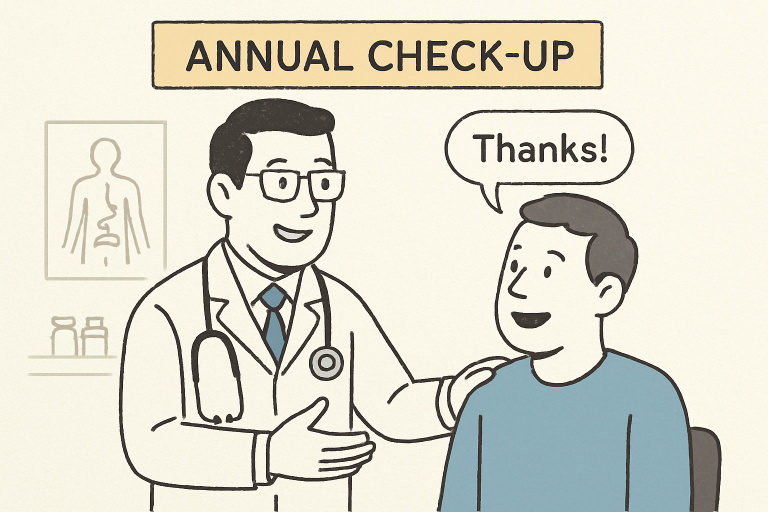
Consistent, annual visits lay the groundwork for a strong and trusting patient-provider relationship. Knowing your medical history, health values, and communication style helps providers deliver more individualized and effective care. Patients who feel heard and respected are more likely to share concerns, follow medical advice, and participate actively in decision-making about their healthcare. Over time, this trust leads to more accurate diagnoses, personalized treatment plans, and improved overall health outcomes.

Addressing Mental Health
Whole-person health encompasses both physical and mental wellness, and annual physicals are increasingly incorporating mental health screenings. Primary care visits now commonly include short surveys or direct conversations about mood, anxiety, and stress. Early detection of depression, anxiety, or other mental health conditions can prompt timely referrals, counseling, or therapy, helping reduce stigma and improve quality of life. The dialogue created during annual exams is an essential step toward de-stigmatizing mental health and ensuring patients have the support resources they need.
Personalized Health Advice
No two patients are exactly alike, and annual physicals reflect this reality by offering individualized guidance. Providers assess factors such as diet, exercise routines, sleep habits, substance use, and other lifestyle choices within the context of your unique medical and family history. Tailored recommendations help set achievable health goals and support positive behavioral changes that can reduce the risk of chronic disease. This customization ensures your preventive strategies are practical, realistic, and relevant to your individual needs.
Cost-Effectiveness of Preventive Care
From a financial perspective, annual physicals offer tremendous value. Investing in preventive care and early detection reduces the likelihood of incurring catastrophic medical expenses due to unmanaged or advanced diseases. Preventive visits also minimize lost productivity from illness and time away from work or family, making them exceptionally cost-effective for individuals and communities alike.
Conclusion
Annual physicals are much more than a routine formality—they are a proactive, informed approach to maximizing long-term health. Regular check-ups empower individuals by detecting diseases in their early stages, supporting the control of chronic diseases, updating preventive care, and fostering strong, supportive provider relationships. Prioritizing these yearly visits is one of the best choices you can make for the health and happiness of yourself and your family for years to come.

