Business
From Art to Architecture: The Experts Redefining Craftsmanship in Modern Business

What is a Canvas Tent Protector and Why is it a Critical Asset?
Canvas tents offer a unique blend of comfort and connection with nature. They are a significant investment for any outdoor enthusiast or glamping business. However, these durable shelters face constant challenges from the elements. Harsh UV rays, relentless rain, and everyday wear and tear can quickly degrade their fabric.
This is where a canvas tent protector becomes essential. It acts as a vital shield, safeguarding your tent from environmental damage.
In this extensive guide, we will explore everything about canvas tent protectors. We will define what they are and outline their primary functions. We will dig into how they offer superior UV protection and improve waterproofing. We will also cover different types, proper installation, and crucial maintenance. Our aim is to show you how a protector contributes to the longevity and performance of your canvas tent. Understanding unparalleled canvas tent protection is key to keeping your tent in top shape.
Join us as we uncover how this simple addition can secure your investment for years to come.
A canvas tent protector is an external covering designed to shield your primary canvas tent from the elements and environmental wear. Think of it as a durable, custom-fit jacket for your tent, engineered to take the brunt of whatever nature throws its way. Its primary functions revolve around safeguarding the tent’s structural integrity and aesthetic appeal, ultimately extending its lifespan and maintaining its performance. For glamping businesses, this translates directly into asset protection and a significant return on investment.

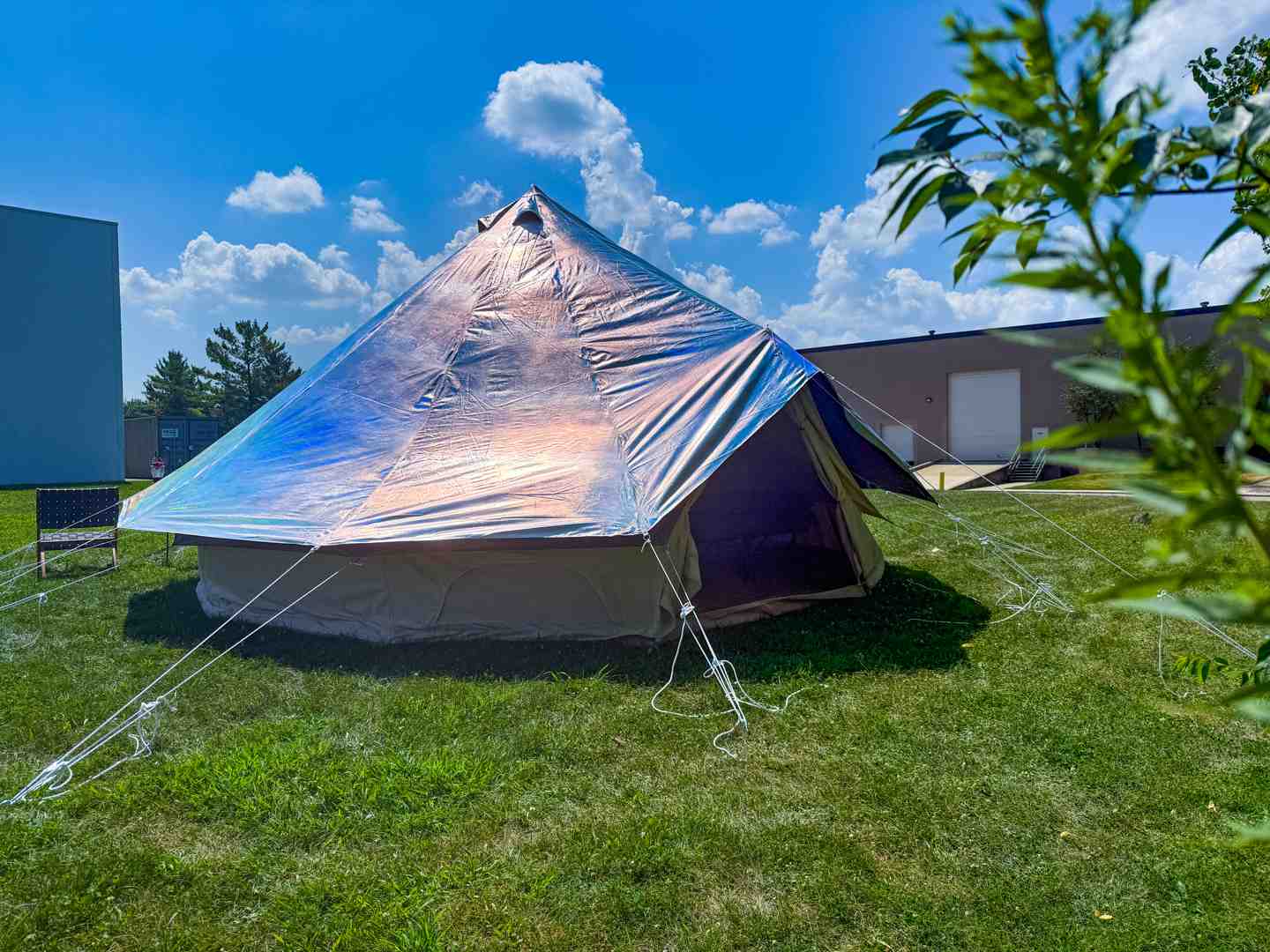
Understanding the Primary Functions
The core purpose of a canvas tent protector is multifaceted. Firstly, it offers protection against the relentless forces of nature. This includes intense UV defense, which prevents the sun’s rays from breaking down canvas fibers and fading its color. Secondly, it significantly improves weatherproofing, adding an extra layer of defense against rain, snow, and moisture. This is particularly crucial for maintaining a dry and comfortable interior, especially in prolonged wet conditions.
Beyond weather, a protector acts as a crucial debris shield. It deflects falling leaves, twigs, and dirt, preventing them from accumulating on the tent’s surface. This also includes protection against more damaging elements like bird droppings and tree sap, which can be difficult to remove and potentially stain or degrade canvas. By intercepting these elements, the protector ensures reduced cleaning frequency and effort for the main tent, preserving its pristine condition for longer. This proactive approach to maintenance is vital for the longevity of your canvas tent, ensuring it remains a welcoming and reliable shelter for many years.
The Cost-Effectiveness of a Long-Term Investment
While an initial investment in a canvas tent protector might seem like an added expense, its long-term cost-effectiveness is undeniable, especially for businesses relying on their tents for revenue. The initial cost of a protector is a fraction of the replacement cost of an entire canvas tent. By shielding the tent from premature degradation, a protector can literally double or even triple its lifespan. This means fewer tent replacements over time, leading to substantial savings.
Furthermore, the protector significantly reduces maintenance labor. Less exposure to UV, rain, and debris means less frequent cleaning, re-waterproofing, and repair work on the main tent. This frees up valuable time and resources, allowing you to focus on other aspects of your business or simply enjoy more leisure time. For glamping operations, the improved protection and pristine appearance of tents contribute to higher guest satisfaction. Guests appreciate clean, well-maintained, and comfortable accommodations, which can lead to positive reviews, repeat bookings, and a stronger brand reputation. A canvas tent protector is not just an accessory; it’s a strategic investment that safeguards your asset, optimizes operational costs, and improves the overall value proposition of your outdoor setup. For a deeper dive into maintaining your canvas tents, we recommend a look at our technical resources.

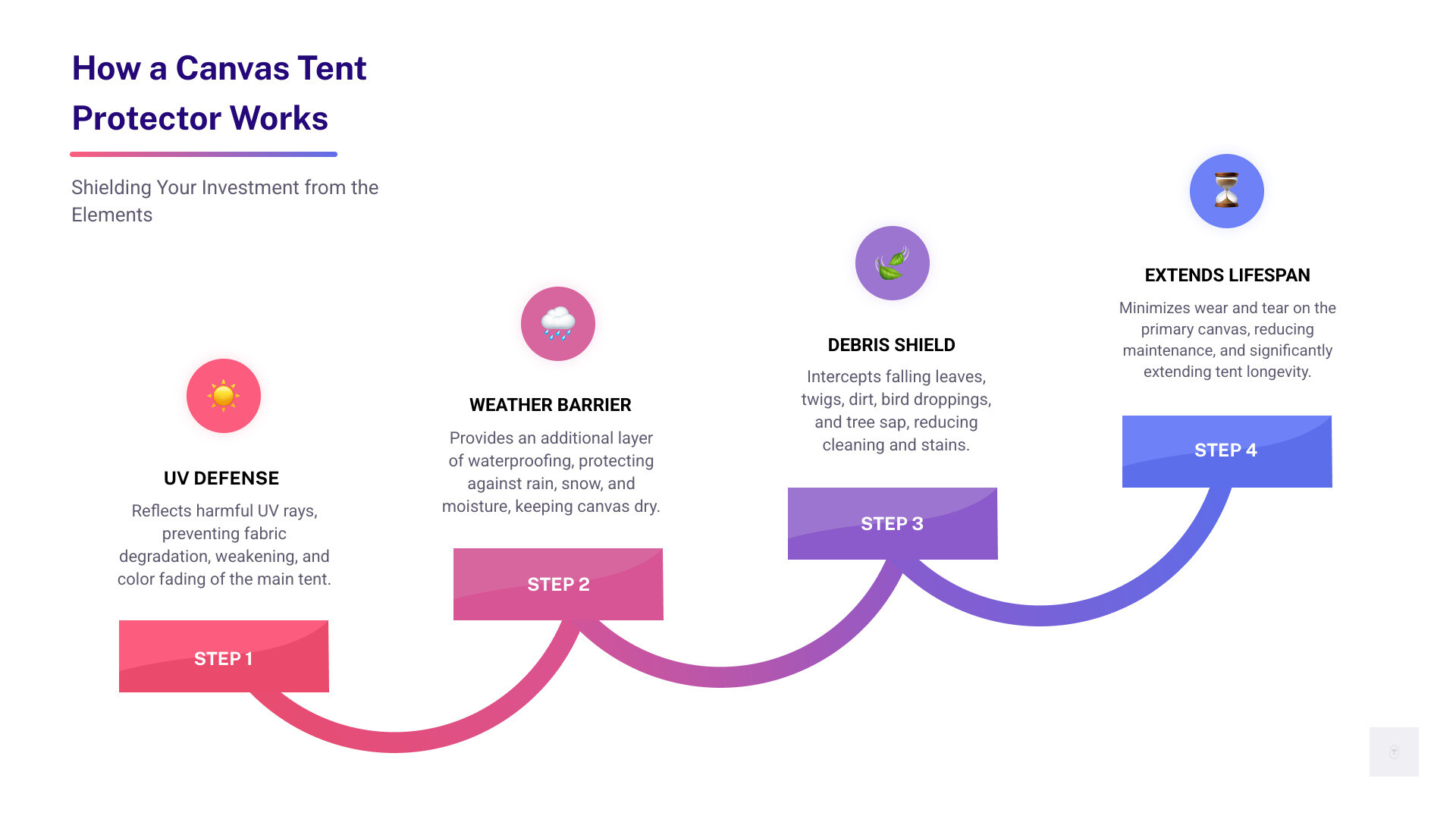
The Science of Protection: How a Protector Shields Your Investment
The effectiveness of a canvas tent protector isn’t just about adding another layer; it’s rooted in material science and thoughtful design. These protectors are engineered to address specific environmental challenges, offering advanced weather resistance and crucial temperature regulation. We leverage expert-tested materials and professional-grade materials to ensure maximum durability and performance, changing your tent into a more resilient and comfortable space.
Superior UV Defense for Lasting Durability
One of the most insidious threats to any outdoor fabric is UV degradation. Prolonged exposure to the sun’s ultraviolet rays can cause significant damage over time. UV radiation breaks down the polymer chains within the canvas fibers, leading to fabric weakening, making the material brittle and prone to tearing. It also causes color fading, diminishing the aesthetic appeal of your tent. This is particularly noticeable in darker colors which absorb more UV light.
Canvas tent protectors are specifically designed to combat this. Many feature reflective silver coatings on their exterior surface. This silver layer acts like a mirror, bouncing a significant portion of the sun’s UV and infrared rays away from the tent. This not only prevents UV damage to the underlying canvas but also contributes to heat reflection, keeping the interior cooler. The base material often consists of a robust polyester oxford material, known for its inherent UV resistance and durability, providing a strong foundation for the protective coating. This combination ensures that your canvas tent remains structurally sound and vibrant for much longer.
Enhancing Weatherproof Integrity
While canvas tents are inherently water-resistant, a protector significantly improves their improved waterproofing. Many high-quality protectors boast a PU2000mm rating, which refers to their hydrostatic head. This rating means the material can withstand a 2-meter column of water before it begins to leak, adding another formidable barrier against precipitation. This advanced hydrostatic head explained in simple terms, indicates the pressure of water the fabric can resist.
This extra layer of protection is vital for preventing the primary canvas from becoming saturated, especially during prolonged downpours. It also offers improved seam protection, as seams are often the weakest points in a tent’s waterproofing. By covering these vulnerable areas, the protector helps prevent leaks and ensures the main tent remains dry. This proactive approach to keeping canvas dry is crucial, as a perpetually wet canvas can lead to mold, mildew, and accelerated degradation. For those looking to further bolster their tent’s water resistance, various treatments are available, such as a general Tent Water Repellent or specialized solutions. Even with a protector, understanding how to maintain your tent’s waterproofing is beneficial, as detailed in guides like How to Waterproof Your Tent for Rainy Days.
Regulating Internal Climate for Guest Comfort
Beyond protection from external elements, a canvas tent protector plays a pivotal role in regulating internal temperature, directly impacting guest comfort. During hot summer days, the reflective coating on the protector works synergistically with the natural breathability of the canvas. The protector’s surface reflects solar radiation, significantly reducing the amount of heat absorbed by the tent. This creates a cooler interior, making summer cooling more effective and enjoyable.
Conversely, in colder seasons, the protector provides an additional layer of insulation. The air gap created between the protector and the main tent acts as an insulating barrier, trapping warm air inside and preventing heat loss. This improves heat retention in winter, making it easier and more efficient to warm the tent with a stove or heater. Many protectors also feature blackout properties, which not only contribute to insulation but also block out excessive light, allowing for longer, more restful sleep. This all-season capability ensures a superior guest experience, making your glamping setup comfortable and inviting regardless of the weather.
A Buyer’s Guide to the Best Canvas Tent Protector
Choosing the right canvas tent protector requires careful consideration of several key features, material specifications, and the various types of protectors available. Making an informed choice ensures you get a product that perfectly matches your tent’s needs and your camping environment.
Types of Protectors: Roof Covers vs. Full Covers
Canvas tent protectors come in various forms, each designed for specific protective needs. The most common distinctions are roof-only covers and full-body protectors.
- Roof-Only Covers: These protectors primarily cover the top and upper sides of your canvas tent.
- Pros: Lighter, easier to install and remove, more affordable, and still provide excellent UV and rain protection for the most exposed part of the tent. They allow the lower walls of the canvas tent to breathe more freely.
- Cons: Do not protect the lower walls from splashing mud, debris, or direct UV exposure.
- Full-Body Protectors: These covers envelop the entire canvas tent, from top to bottom.
- Pros: Offer comprehensive protection against all elements, including UV, rain, snow, wind, debris, and even animal interactions. They provide maximum insulation and temperature regulation.
- Cons: Heavier, can be more challenging to install, and generally more expensive. They might slightly reduce the tent’s natural breathability if not designed with an adequate air gap.
Beyond these primary types, some protectors are designed with integrated awnings as shelters or can be used for standalone shelter use. These versatile options can extend your sheltered living space or even serve as independent sunshades, demonstrating their incredible versatility. For inspiration on standalone shade solutions, you can explore various Shade Sails that offer similar protective benefits.
Here’s a quick LIST of pros and cons for each type:
- Roof-Only Covers:Pros: Cost-effective, easier setup, good UV/rain protection for the roof, maintains wall breathability.
- Cons: Limited protection for lower walls, less insulation.
- Full-Body Protectors:Pros: Maximum protection (UV, rain, debris, snow), superior insulation, improved privacy.
- Cons: Higher cost, heavier, more complex installation, potential for reduced wall breathability (if not designed well).
Key Features for Your Canvas Tent Protector
When selecting a canvas tent protector, several technical specifications are crucial for ensuring optimal performance and durability.
- Material Weight (GSM): GSM stands for grams per square meter and indicates the density and thickness of the fabric. A higher GSM generally means a more robust and durable material. For instance, a protector made from 115 gsm material, as seen in some blackout covers, offers a good balance of strength and manageability.
- Waterproof Rating (PU): Measured in millimeters (mm), the PU (polyurethane) coating’s hydrostatic head rating indicates how much water pressure the fabric can withstand before leaking. A rating of PU2000mm is considered excellent for a protector, providing substantial resistance against heavy rain.
- UV Resistance Level: Look for protectors specifically advertised with high UV resistance. This often comes from specialized coatings or the inherent properties of the fabric, like polyester oxford, which helps prevent fiber degradation and color fading.
- Stitching Quality: Durable double-stitched or reinforced seams are essential to prevent tearing and ensure the longevity of the protector, especially at stress points.
- Guy Rope Attachments: Robust and securely attached loops or D-rings for guy ropes are critical for proper installation and tensioning, ensuring the protector stays firmly in place even in windy conditions.
- Compatibility: Ensure the protector is specifically designed for your tent model and size, providing a snug and effective fit. For general information on canvas materials, you might find resources like Canvas Tent Material helpful in understanding fabric types.
How a Protector Affects Natural Breathability
One common concern with adding an extra layer to a canvas tent is its impact on canvas breathability. Traditional canvas tents are prized for their ability to allow air to circulate, reducing condensation and maintaining a comfortable internal environment. A well-designed canvas tent protector is engineered to maintain this crucial characteristic.
The key lies in the air gap created between the protector and the main tent. This space allows for continuous airflow, preventing moisture from getting trapped and ensuring that the canvas can still “breathe.” This design is vital for condensation management, as it allows humid air to escape rather than condensing on the inside walls of the tent. Without proper airflow, moisture could accumulate, leading to discomfort and potential mold growth. Therefore, a good protector improves protection without compromising the natural ventilation that makes canvas tents so appealing, ultimately contributing to maintaining interior comfort.
Installation and Long-Term Care for Lasting Performance
To maximize the benefits of your canvas tent protector, straightforward setup and a consistent maintenance schedule are essential. Proper cleaning and storage practices will significantly contribute to maximizing lifespan for both the protector and your tent.
Proper Installation of Your Canvas Tent Protector
Installing a canvas tent protector is typically a simple process, designed for efficiency and ease. For bell tents, it often involves sliding the protector over the already erected tent.

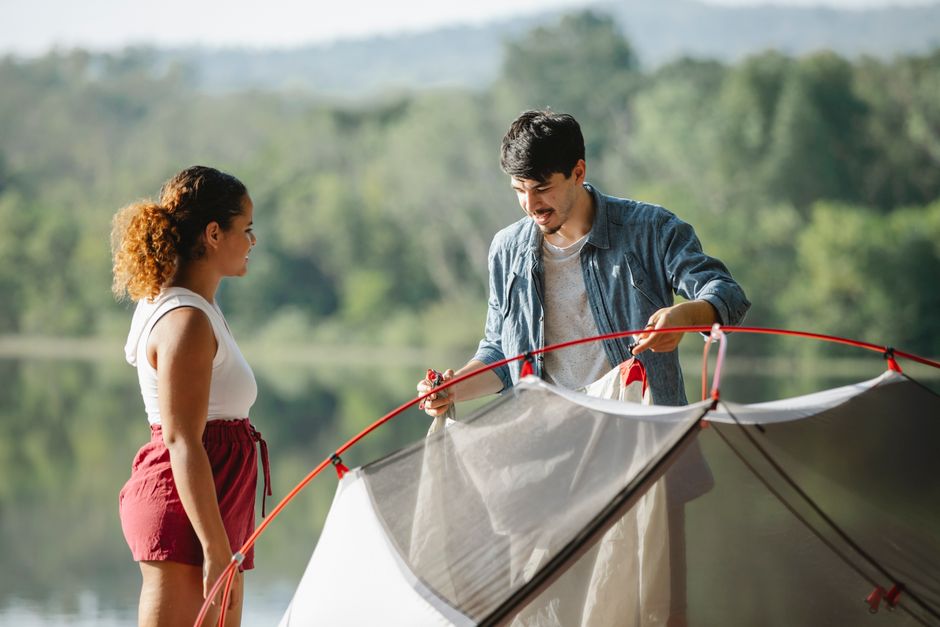
- Erect Your Tent: Ensure your canvas tent is fully set up and tensioned correctly.
- Position the Protector: Carefully drape the protector over the top of your tent. For many designs, this is a relatively easy task, often taking only a few minutes, as seen with some bell tent protectors.
- Align Doors and Features: Make sure to align doors and any other openings on the protector with those on your main tent. This ensures easy access and proper ventilation.
- Connect Guy Ropes: Most protectors come with their own set of guy ropes or loops. Connect these to the existing guy pegs of your main tent or use additional pegs if necessary.
- Secure and Tension: Once all ropes are attached, apply proper tensioning to the guy ropes. This ensures the protector is taut, preventing flapping in the wind and maintaining the crucial air gap between the protector and the tent. The goal is a snug, secure fit that allows for optimal performance. This simple-design basecamp addition should feel like a seamless extension of your tent.
Essential Maintenance for Your Protector and Tent
Regular maintenance is key to prolonging the life of your canvas tent protector and, by extension, your canvas tent.
- Cleaning Methods: The good news is that protectors are generally easy to clean. Most can be cleaned effectively with just water and sponge. Avoid harsh chemicals or abrasive scrubbers, which can damage the coating or fabric. For stubborn dirt or sap, a mild soap solution can be used, followed by a thorough rinse.
- Storing Dry: The most critical rule for both your tent and its protector is to ensure they are completely dry before packing away. Storing a damp protector can lead to mold prevention and mildew prevention issues, which can quickly degrade the material. If you must pack it damp, unpack and dry it fully within 24 hours.
- Regular Inspection: Periodically inspect your protector for any signs of wear, tear, or damage to the coatings. Addressing small issues early can prevent them from becoming larger problems.
- Seasoning and Waterproofing: While the protector reduces the need for frequent re-waterproofing of your main tent, it’s still important to maintain your canvas tent itself. Understanding processes like How to Season a Canvas Tent (which involves wetting the canvas to allow fibers to swell and seal) is crucial for the tent’s inherent water resistance.
The Strategic Value: Protector vs. Standalone Tent Maintenance
When considering the long-term care of your canvas tent, the decision often comes down to proactive protection versus reactive maintenance. Investing in a canvas tent protector represents a cost-benefit analysis that heavily favors the former. It leads to significant labor reduction and forms a robust long-term strategy for protecting your generational investment.
Protector vs. Re-Waterproofing: A Comparative Analysis
While chemical waterproofing treatments are effective, a physical canvas tent protector offers distinct advantages. The protector acts as a physical barrier, taking the brunt of environmental exposure. This means less direct exposure for your main canvas, significantly reducing the need for frequent chemical treatments. The protector’s role in protecting the original canvas means you’ll spend less time and money on re-treating the tent itself.
Consider the application of waterproofing solutions: products like Canvak Canvas Preservative or Canvak Canvas Preservative can be highly effective, with one gallon covering approximately 100 square feet of canvas. Similarly, 303 Fabric Guard and STAR BRITE Waterproofing Spray are popular choices. While these are excellent for maintaining waterproofing, applying them requires time and effort. A protector offers continuous, passive protection, leading to significant time savings and simplifying your maintenance routine. When comparing costs, the long-term expense of repeatedly buying and applying treatments can quickly outweigh the one-time investment in a durable protector.
Versatility: More Than Just a Tent Cover
The utility of a canvas tent protector extends far beyond simply covering your main tent. Its inherent design and robust materials make it a highly versatile piece of equipment, capable of serving multiple purposes.


A protector can easily be pitched as a standalone shelter or an awning extension. With a few poles and guy ropes, it transforms into a convenient sunshade for a picnic, a covered area for cooking, or even a temporary workspace. This adaptability is a testament to the thoughtful engineering behind such products, often reflecting the same ingenuity seen in creative hardware constructions that define modern craftsmanship. Whether you need a quick picnic cover or extra gear protection from unexpected rain, the protector can be deployed independently. This dual functionality adds immense value, making it a truly indispensable asset for any outdoor enthusiast or glamping operator. For larger installations or to assess the integrity of your setup, methods like a High Country Rigby drone inspection can provide comprehensive oversight, ensuring everything is perfectly secure.
Frequently Asked Questions about Canvas Tent Protectors
What are the most recommended features for a canvas tent protector?
When selecting a canvas tent protector, focus on features that guarantee durability, effective protection, and ease of use. We highly recommend looking for a protector with a high waterproof rating (PU2000mm+), as this ensures superior resistance against heavy rainfall. A strong UV reflective coating is crucial for deflecting harmful sun rays, preventing fabric degradation and fading. The material itself should be a durable material like polyester oxford, known for its strength and weather resistance. Additionally, ensure it has reinforced attachment points for guy ropes and poles, which are vital for stability in windy conditions. Finally, always check for compatibility with your tent model to ensure a perfect fit and optimal performance.
How does a protector contribute to the longevity of a sturdy canvas tent?
A canvas tent protector is instrumental in extending the lifespan of your primary tent by acting as its first and most crucial line of defense. It effectively absorbs UV radiation, preventing it from breaking down the canvas fibers and maintaining the fabric’s strength and color. It takes on rain, sap, and dirt, protecting the original canvas from direct exposure to these elements that can cause stains, mildew, and accelerated wear. By creating a physical barrier, it significantly reduces wear and tear on the primary canvas, minimizing the need for frequent cleaning or harsh chemical treatments. This proactive protection ultimately means your canvas tent remains robust, waterproof, and aesthetically pleasing for many more years than it would without a protector.
Can I use a stove jack with a full tent protector on?
Generally, no, it is not recommended to use a stove jack with a full tent protector installed. Full protectors are designed to cover the entire tent roof, including the area where a stove jack would typically be located. This creates a critical safety hazard if a hot stove pipe were to come into contact with the protector’s material, which is not designed for high-heat exposure. The protector could melt, burn, or even catch fire. Therefore, for your safety and the integrity of your equipment, you should always remove the protector before using an internal stove within your canvas tent.
Conclusion: Secure Your Glamping Business with a Smart Investment
Investing in a high-quality canvas tent protector is a strategic decision that safeguards your most valuable assets. It extends the life of your tents, improves guest comfort, and reduces long-term maintenance costs, ensuring your glamping business remains a durable, legacy operation for years to come. By choosing the right protection, you are not just buying an accessory; you are investing in the future success and profitability of your enterprise. To lift your glamping business further, explore our full range of professional-grade tents and accessories designed for discerning investors.

