Home Improvement
Financial Planning Tips for Buying a Dream Home

Key Takeaways
- Assessing your finances and credit score early can help set clear home-buying expectations.
- Saving for a sizable down payment and planning for extra expenses will make the process smoother.
- Exploring all available loan and assistance options may provide valuable benefits, especially for first-time buyers.
- Working with expert professionals ensures you are supported throughout your journey toward homeownership.
Buying your dream home is an exciting journey, but it also involves important financial considerations that can significantly impact your success and peace of mind. Proper planning and smart decision-making can make the difference between a stressful process and one that is both enjoyable and secure. For buyers in competitive markets, it is especially helpful to collaborate with experts familiar with your local area, such as Naperville, IL real estate experts Kimberly Zahand Team.
The process begins with honest reflection on your current financial landscape. Understanding your income, obligations, and savings will help you set realistic expectations before you even start looking at homes. Without this clarity, buyers risk overspending or overlooking critical costs.
Once you establish your financial baseline, the next step is to boost your credit rating to secure the best possible mortgage terms. The stronger your finances and the more thorough your preparation, the easier and less stressful the journey will be.
After analyzing your financial situation and reviewing your credit standing, it is time to consider how much you can comfortably put down and what additional costs you may encounter both upfront and over time. Each of these steps builds on the others to provide long-term financial stability and a positive homeownership experience.

Assess Your Financial Health
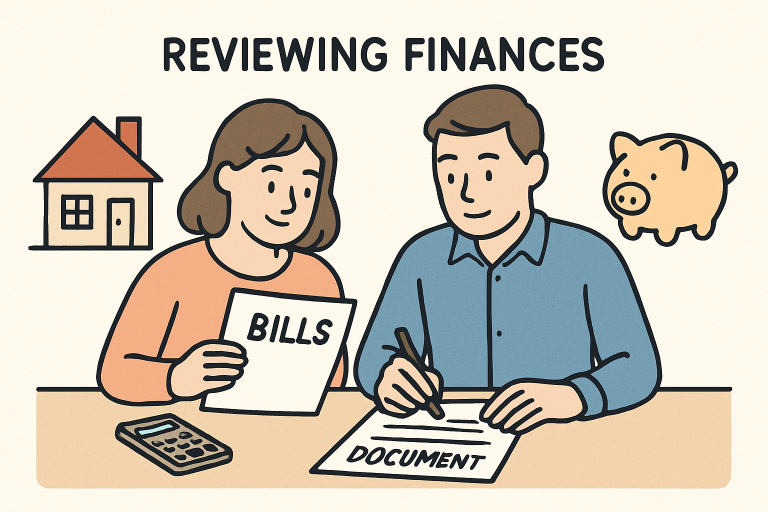
Take an in-depth look at your income, monthly expenses, debts, and current savings. Calculate your debt-to-income ratio to see how much you can realistically afford. According to Bankrate, most experts recommend you spend no more than 28 percent of your gross monthly income on housing expenses. Setting an affordable price range now will help you avoid disappointment and future financial headaches.
Strengthen Your Credit Score
Your credit score plays a big role in the mortgage rates and terms that lenders offer you. Start by paying off outstanding debts, making on-time payments, and reviewing your credit report for errors. Avoid taking out new loans or lines of credit before applying for a mortgage. Even a small increase in your credit score can mean big savings on your loan, as highlighted by CNBC, who note that better credit can save you thousands over the loan’s lifetime.
Save for a Substantial Down Payment
While it is possible to buy a home with a low down payment, aiming for a 20 percent down payment comes with major advantages. It reduces your total loan amount, can lower your monthly payments, and may help you avoid private mortgage insurance (PMI). As CBS News notes, making a larger down payment up front saves money in the long term and often leads to more favorable loan terms.
Get Pre-Approved for a Mortgage
Getting pre-approved by a lender gives you a clear idea of how much you can borrow and shows sellers that you are prepared and serious. This step involves reviewing your income, credit, and other financial documentation. A mortgage pre-approval speeds up the negotiation process and makes you a more competitive buyer.
Budget for Closing Costs and Additional Expenses
Remember, down payments are not the only upfront costs. Closing costs can include title insurance, appraisal fees, loan origination charges, and legal fees, and they typically add 2 to 6 percent onto your home’s price. Plan for these fees in addition to your moving expenses, initial repairs or renovations, and new furnishings. Budgeting accurately from start to finish ensures you are not caught off guard at closing.
Explore First-Time Homebuyer Programs
Many federal, state, and local programs offer valuable assistance for first-time buyers. These programs can provide down payment support, lower interest rates, or even tax incentives. Check eligibility requirements for options like FHA, VA, or USDA loans, as well as state or local grants that may apply to your situation. Speak with a financial advisor or local housing authority to uncover all benefits available in your area.
Plan for Future Homeownership Costs
Owning a home means being ready for ongoing costs such as repairs, maintenance, property taxes, homeowners’ insurance, and utilities. Set up an emergency fund to cover unexpected expenses, such as appliance replacement or critical repairs. Building these recurring costs into your monthly budget from the start will help maintain long-term financial health.
Work with Experienced Professionals
Buying a home often requires navigating complex transactions and legal documents. Rely on a trusted real estate agent and a qualified financial advisor to help you make informed decisions. These professionals provide local expertise, connect you with trusted inspectors, and offer guidance on structuring offers and negotiating terms. With expert support, you are less likely to make costly mistakes and more likely to enjoy a smooth, successful experience.
Financial planning is the foundation for buying your dream home with confidence and comfort. Preparation, research, and the right team by your side are your best assets for achieving homeownership on your own terms and building a secure future.
Final Thoughts
Preparing financially before buying a home sets the stage for a confident, rewarding experience. By understanding your finances, strengthening your credit, planning for both upfront and long-term costs, and leaning on experienced professionals, you reduce risk and gain clarity at every stage. With the right preparation and guidance, homeownership becomes not just an exciting milestone but a stable and sustainable investment in your future.

