Latest News
Exploring the Benefits of Hyperbaric Oxygen Therapy for Enhanced Wellness

Key Takeaways:
- Hyperbaric Oxygen Therapy (HBOT) increases oxygen delivery throughout the body, promoting natural healing mechanisms.
- HBOT offers benefits such as expedited recovery, decreased inflammation, and support for cognitive and athletic performance.
- Recent studies suggest HBOT’s expanding role in modern wellness, with evidence from leading health publications and organizations.
Understanding the Fundamentals of Hyperbaric Oxygen Therapy
Developed as a non-invasive wellness approach, hyperbaric oxygen therapy (HBOT) involves breathing pure oxygen in a chamber with controlled, heightened pressure. This environment allows the body to absorb significantly more oxygen than breathing normally at atmospheric pressure, encouraging healing by saturating tissues with the oxygen required for cellular repair and regeneration. Due to its ability to deliver oxygen to locations in the body with poor circulation or damage, HBOT is valued for its role in supporting overall recovery and health.
A major benefit of HBOT is its versatility. Originally used to treat decompression sickness for divers, it is now a supportive treatment for a range of acute and chronic conditions, including wound healing, inflammatory disorders, and certain neurological challenges. Its applications continue to expand as research uncovers new uses in both clinical and wellness environments.
HBOT works by promoting higher oxygen levels in the blood plasma. This process allows oxygen to diffuse more effectively into hard-to-reach tissues, especially those suffering from inadequate blood supply. Through this mechanism, the therapy helps support the body’s intrinsic healing process and may improve outcomes for a range of health challenges.
Alongside other integrative approaches, therapies like HBOT can complement medical care and holistic wellness by accelerating repairs to damaged tissue and supporting healthier immune responses. This makes HBOT a natural fit within specialized cancer recovery programs and other comprehensive healing plans.

Accelerated Healing and Tissue Regeneration
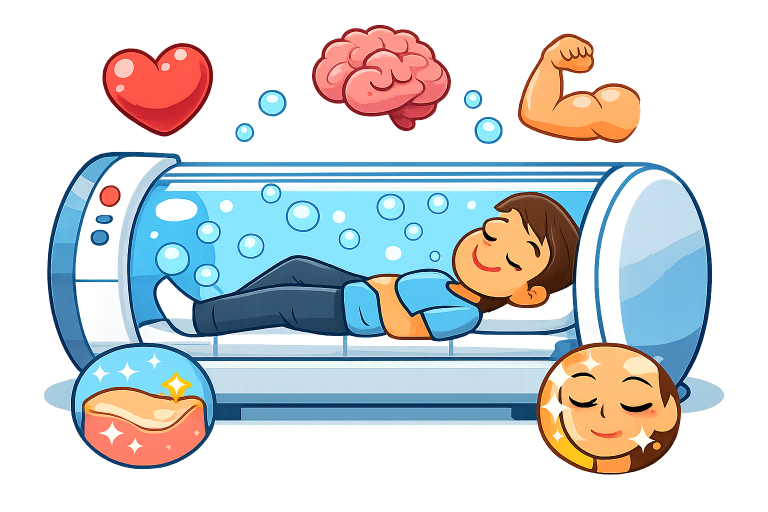
A prominent reason individuals seek HBOT is for enhanced healing capacity. By flooding compromised tissues with oxygen, HBOT helps produce factors such as stem cells and vascular endothelial growth factor (VEGF), both essential for the formation of new blood vessels and repair of tissue damage. Patients recovering from surgeries, burns, wounds, or injuries often experience reduced healing times and improved outcomes. Leading medical sources, such as Mayo Clinic, explain that improved vascularization and tissue oxygenation contribute to efficient healing for complex conditions.
Managing Chronic Inflammation and Supporting Immune Function
Chronic inflammation lies at the root of numerous health conditions, from autoimmune diseases to persistent pain syndromes. HBOT offers anti-inflammatory benefits by delivering highly oxygenated blood to inflamed tissues, which helps down-regulate the body’s prolonged inflammatory response. Individuals with inflammatory joint pain, post-exercise soreness, and even certain autoimmune conditions have reported lessened symptoms and greater comfort following a course of HBOT sessions. This anti-inflammatory property is increasingly discussed in reputable wellness publications such as Harvard Health.
Enhancing Brain Function and Cognitive Clarity
Recent research demonstrates HBOT’s potential in supporting brain health and mental acuity. Increased oxygen delivery not only promotes neurovascular repair but also stimulates growth and regeneration in brain cells. This has led to interest in HBOT as a therapy for patients suffering the effects of traumatic brain injury, stroke, or cognitive decline. There are encouraging studies, such as those cited by the Global Wellness Institute, indicating improvement in memory, focus, and other faculties in patients who undergo HBOT, especially when included as part of a broader neurorehabilitation plan.
Improving Athletic Performance and Recovery
The sports medicine community has become increasingly interested in HBOT due to its profound effects on athletic performance and recovery time. The therapy’s combination of reduced muscle soreness, quicker micro-injury repair, and increased energy availability makes it an appealing complement for athletes at all levels. HBOT has been shown to reduce fatigue, minimize post-exercise swelling, and increase endurance, supporting athletes’ ongoing pursuit of peak performance.
Boosting Skin Health and Counteracting Aging
As more people seek non-surgical ways to combat signs of aging, HBOT’s use in skin health has grown. Enhanced oxygenation stimulates collagen production, which helps reduce wrinkles, improve skin tone, and maintain elasticity. As highlighted in coverage by Vogue, HBOT helps the skin repair damage more efficiently and encourages a vibrant, youthful appearance.
Important Considerations and Safety Information
Like any medical intervention, HBOT requires careful consideration. The therapy is recognized as safe when delivered by licensed professionals and for approved conditions. Some individuals, such as those with untreated lung collapse (pneumothorax) or certain infections, should consult their healthcare provider before beginning therapy. Most side effects, such as changes in ear pressure or temporary vision alterations, are rare and reversible with prompt medical attention. Always discuss your health status and goals with a qualified practitioner to ensure HBOT is right for you.
Conclusion
Hyperbaric Oxygen Therapy represents an innovative and integrative tool for enhancing human wellness. Its ability to accelerate healing, combat inflammation, improve cognition, and support healthy skin and athletic outcomes highlights its broad usefulness in both medical and wellness settings. With growing scientific validation and increased access, HBOT is positioned to play a significant role in the future landscape of holistic health strategies.

