
NEWS
Essential Steps to Prepare for Severe Weather Events


Severe weather can strike with little warning, causing upheaval in our routines and damaging entire communities. From hurricanes and floods to tornadoes and winter storms, these events can change the course of your life in minutes. That’s why preparation is not just a precaution—it’s a critical responsibility. Thoughtful planning can protect your home, reduce physical and emotional stress, and save lives. By understanding the hazards in your area, establishing a tailored emergency plan, and knowing where to turn for recovery support, you empower yourself and your loved ones to weather any storm. You can explore this website for a comprehensive look at storm recovery and restoration services. Remember, preparation is more than stockpiling supplies—it is building resilience through knowledge, readiness, and action.
Stay Informed
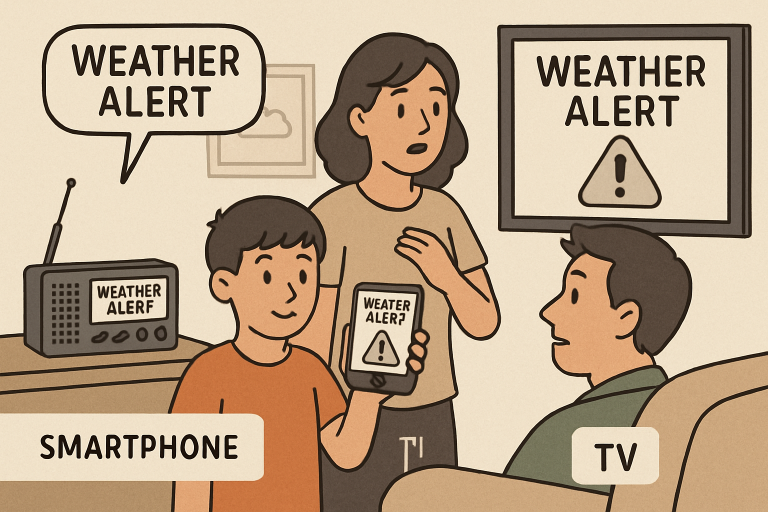
Being well-informed is your first line of defense when severe weather threats arise. Timely, accurate updates allow you to make critical decisions, whether seeking shelter, evacuating, or taking steps to secure your property. Make it a routine to monitor several authoritative sources:
- Weather Radios: Invest in a NOAA Weather Radio for uninterrupted, government-issued alerts. These devices run on batteries, hand-cranked, or solar power, making them dependable even if the electricity fails. A weather radio can ensure you receive warnings in the middle of the night or during a power outage, providing vital lead time to act.
- Mobile Apps: Download respected weather applications—such as those from the National Weather Service or The Weather Channel—which can provide real-time alerts tailored to your precise location. Custom notification settings ensure you won’t miss crucial updates, wherever you are.
- Local News and Social Media: Tune in to local TV and radio stations, and follow your city’s emergency management offices on social media. Localized guidance, evacuation orders, and shelter locations are often announced here first, which is especially important in rapidly evolving situations.
Just as vital is understanding the terminology used in weather notifications. A “watch” signals that dangerous weather is possible, giving you time to prepare, while a “warning” means that severe weather is imminent and immediate precautions should be taken. Never underestimate or ignore tornado, flood, or hurricane warnings—they are issued with your safety in mind. Refer to resources like this AP News guide to learn more about interpreting severe weather alerts.
Develop an Emergency Plan
When a disaster strikes, every second counts. A solid, well-rehearsed emergency plan can distinguish between chaos and order, fear and confidence. This plan should be a collaborative effort that includes everyone in your household, ensuring that each person understands their role:
- Communication Strategy: Determine how you’ll communicate with each other if traditional channels (like cell networks) go down. Identify both a local and an out-of-area contact who can help relay information. Having written contact information is invaluable if technology fails.
- Meeting Points: Select two designated meeting locations—a nearby spot in case of a quick evacuation, and a more distant site if your neighborhood is inaccessible. These predetermined spots eliminate confusion during hectic moments, ensuring everyone knows where to reunite.
- Evacuation Routes: Map out several safe routes from your home, school, and workplaces. Practice these routes regularly, including backup paths in case your primary exit is blocked by debris or floodwaters. Rehearsing the actual process as a family helps everyone react swiftly under pressure.
The time invested in practicing your plan demystifies the process for children and reduces panic for adults. An organized strategy increases the odds that all household members remain safe and connected during a storm.
Assemble an Emergency Kit
When disaster hits, an emergency kit supplies the essentials you need to survive until help arrives or services are restored. Build a kit that’s easy to access and tailored to your family’s needs, ensuring it is always fully stocked. Your emergency kit should include:
- Water: Store at least one gallon per person daily for at least three days. Plan for additional water if you have pets or require water for hygiene and first aid.
- Non-Perishable Food: Prepare a three-day supply of nutritious, easy-to-open foods such as canned goods, protein bars, and dried fruits. Remember to include a manual can opener and utensils.
- Battery-Powered or Hand-Crank Radio: Ensure you can receive life-saving updates if cell towers or power lines go down. Radios also reduce isolation by keeping you informed.
- Flashlights and Extra Batteries: Power outages are common after severe weather. Reliable lighting prevents injuries and helps reduce anxiety, especially for children.
- First Aid Kit: Stock your kit with basic supplies like bandages, antiseptics, and any essential prescription and non-prescription medications your family requires.
- Personal Documents: Keep waterproof copies of IDs, insurance cards, medical records, and emergency contacts. Place essential papers in a water-resistant bag to prevent loss in flooding.
Review and refresh your kit every few months—rotate food and batteries, check medication expiry dates, and update documentation as needed, so you’re never unprepared.
Secure Your Home
Strengthening your home’s defenses is a key aspect of severe weather preparation. Proactively safeguarding your property can dramatically reduce damage and speed recovery:
- Inspect and Maintain: Have a professional inspect your roof and secure any loose shingles. Reinforce windows and doors with storm shutters or plywood, and verify that your garage door can withstand high winds.
- Clear Debris: Trim trees, remove dead branches, and clear gutters and yard drains. Even small debris can become dangerous projectiles or cause blockages, increasing the risk of flooding and damage.
- Install Protective Features: Add storm shutters, install sump pumps in basements, elevate or bring inside outdoor furniture, and secure propane tanks. These measures can protect your property and your neighbors’ safety if strong winds strike.
Early improvements reduce potential losses and ensure a faster, less stressful restoration process after severe weather.
Understand Your Insurance Coverage
Your financial well-being depends on how well you understand and maintain your insurance protection. Before a storm hits, thoroughly review your policies to ensure you’re adequately covered for the risks specific to your area:
- Homeowners Insurance: Standard policies may not cover all disaster-related perils. Confirm your coverage for major threats like wind, hail, or fire, and clarify exclusions or limitations. Check deductibles and special endorsements if you live in a hurricane-prone zone.
- Flood Insurance: Most homeowners’ insurance excludes flood damage. If you reside in an at-risk area, consider adding a separate flood policy through the National Flood Insurance Program or a private provider.
- Inventory and Documentation: Routinely photograph or videotape your home’s contents. Keep receipts, appraisals, and a written inventory in a safe, dry place, and store digital backups off-site or in the cloud. Detailed documentation makes filing claims much smoother and supports a fair recovery.
Consult your insurance agent annually to review your needs and update your policy with significant life changes or purchases. Being financially prepared is an essential aspect of overall disaster readiness.
Special Considerations for Vulnerable Populations
Certain household members may require extra attention and resources to stay safe during a crisis. Addressing these needs as part of your preparedness plan ensures everyone’s well-being and minimizes stress for caregivers:
- Older Adults: Arrange for a backup supply of medical equipment, medications, and batteries for mobility devices. Set up regular check-in systems with neighbors or family to provide support and monitor their well-being.
- Children: Store their favorite toys, books, or comfort items in the emergency kit. Plan honest, age-appropriate conversations about the emergency plan so children know what to expect, which reduces fear and helps them respond calmly.
- Pets: Prepare a dedicated kit with food, water, medications, and necessary supplies, such as leashes, carriers, and vaccination records. Know where local shelters or hotels accept pets in case evacuation is needed.
Taking extra time to plan for these needs means you’re not forced to make difficult decisions at the last minute, ensuring comfort and safety for all family members, including the most vulnerable.
By implementing these essential steps, you significantly reduce the impact of severe weather on yourself and those who depend on you. A proactive approach means you can respond confidently and be secure in knowing you’re ready for whatever comes your way. Preparation may require time and commitment, but it brings peace of mind, security, and a smoother recovery process when a storm finally passes.