Tech
Essential Espresso Making Tools You Need Today

The difference between a mediocre espresso and an exceptional one often comes down to the tools in your hands. While skill and technique matter immensely, even the most experienced barista cannot overcome the limitations of inadequate equipment. Quality tools don’t just make your job easier—they’re fundamental to achieving the consistency and precision that define professional espresso.
Espresso making is an intricate craft that demands attention to countless variables: grind size, water temperature, extraction time, and pressure all must align perfectly. A deviation of just seconds or a few degrees can transform a balanced shot into something bitter or sour. These challenges multiply in a busy café environment where speed and consistency are non-negotiable.
For professional baristas working in high-volume settings, understanding your tools becomes as important as mastering your technique. This guide focuses on the essential equipment that separates amateur setups from professional operations, covering everything from the core brewing tools to the often-overlooked maintenance supplies that keep your equipment performing at its peak day after day.
Core Espresso Making Tools for Professionals
Professional espresso preparation requires a focused collection of tools that work together to deliver consistent results under pressure. While beginners might get by with basic equipment, café environments demand tools built for durability and precision. The foundation starts with your portafilter, the handled device that holds your coffee grounds during extraction. Commercial-grade portafilters come in bottomless and spouted varieties, each serving distinct purposes. Bottomless portafilters expose the entire basket bottom, allowing you to observe extraction patterns and identify channeling issues immediately—they’re invaluable training tools that reveal flaws in your distribution and tamping technique. Spouted portafilters, meanwhile, enable simultaneous dual-shot pulling and contain messier extractions, making them practical for high-volume service.
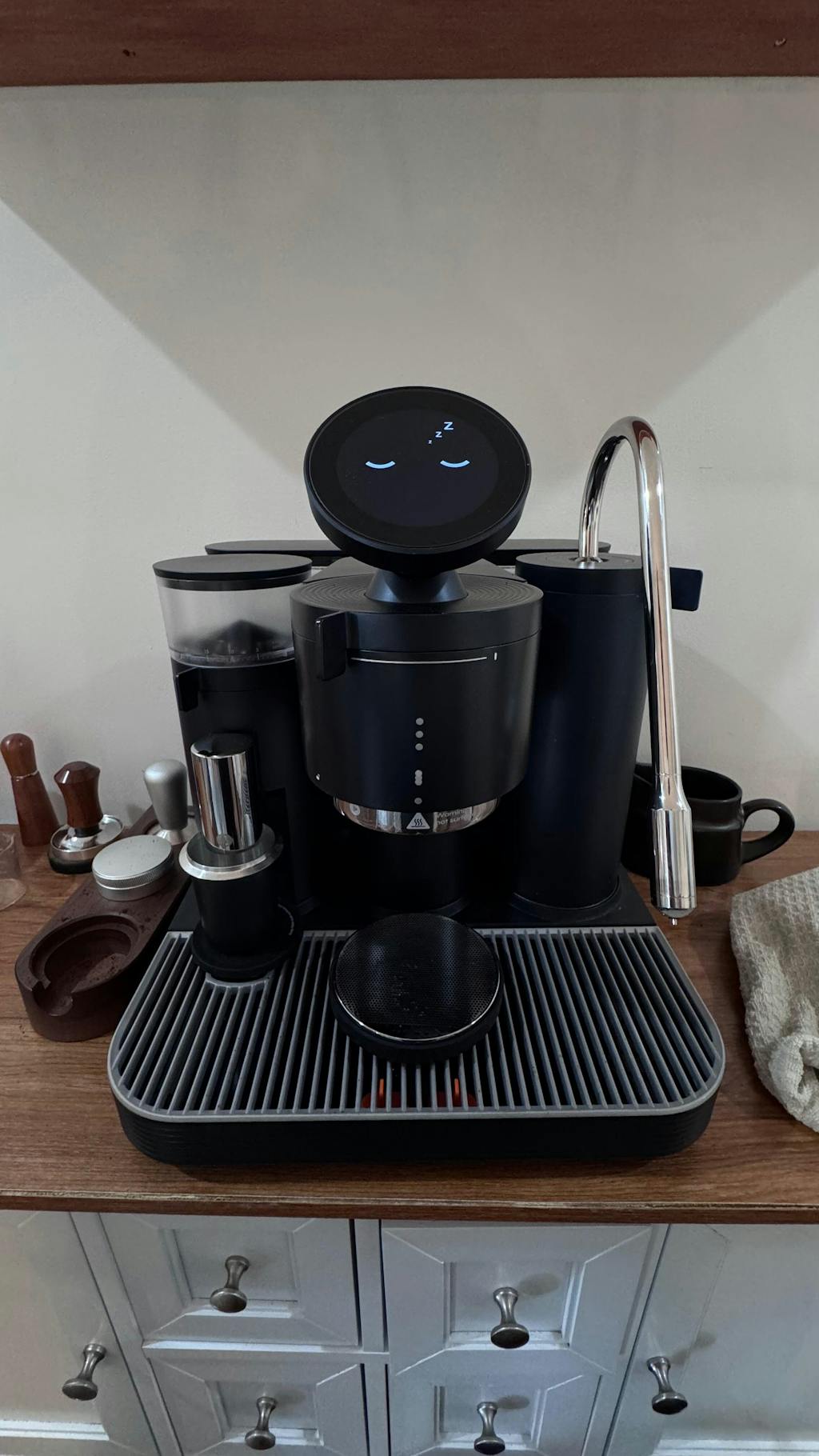
Precision measurement separates guesswork from repeatable excellence, which is why dual scales have become non-negotiable in professional settings. These specialized scales measure both the dose going into your portafilter and the yield coming out, typically with 0.1-gram accuracy and built-in timers. This real-time feedback lets you adjust mid-shot and maintain your target brew ratios throughout the day as variables shift. Beyond these core items, your toolkit should include a calibrated tamper that fits your basket diameter precisely—even a millimeter gap allows grounds to escape compression. A sturdy knock box positioned within arm’s reach streamlines your workflow between shots, while a quality dosing funnel prevents grounds from scattering during transfer. Microfiber cloths for steam wand cleaning and group head brushes for purging complete the essential daily arsenal that keeps your station running efficiently during peak hours.

Maintenance and Cleaning Essentials
Espresso machines are precision instruments that deteriorate rapidly without proper maintenance. Coffee oils accumulate on group heads and portafilters, turning rancid and tainting every shot with bitter, stale flavors. Mineral deposits from water build up inside boilers and lines, restricting flow and destabilizing temperature. In commercial settings where machines run continuously, neglecting maintenance doesn’t just compromise quality—it leads to costly breakdowns during service and shortened equipment lifespan. A machine that could serve reliably for a decade might fail within three years under poor care.
Your daily cleaning routine should begin with backflushing the group head using espresso machine cleaning powder dissolved in water. Insert a blind basket into your portafilter, add the recommended amount of cleaner, and run the brew cycle in short bursts until water runs clear. This purges accumulated oils from the dispersion screen and three-way valve. Follow with thorough rinsing cycles using plain water. Remove and soak portafilter baskets and dispersion screens in cleaning solution for fifteen minutes, then scrub with dedicated group head brushes that reach into crevices. Clean steam wands immediately after each use by purging and wiping with damp microfiber cloths—dried milk creates stubborn buildup that harbors bacteria.
Weekly maintenance demands deeper attention. Remove shower screens completely and inspect gaskets for wear or coffee particle embedding. Soak all removable components overnight in cleaning solution. Descaling frequency depends on your water hardness, but most commercial operations benefit from monthly descaling using manufacturer-approved solutions. Run the descaler through the system according to instructions, then flush thoroughly with fresh water—residual descaler damages internal components and affects taste. Keep detailed logs of all maintenance activities, noting any unusual sounds, pressure fluctuations, or extraction irregularities. This documentation helps identify patterns before minor issues escalate into equipment failures that shut down your operation during critical hours.
Storage Solutions for Coffee and Accessories
Coffee beans are volatile ingredients that begin deteriorating the moment roasting completes. Oxygen exposure triggers oxidation that dulls flavors, while moisture absorption introduces staleness. Light degrades aromatic compounds, and temperature fluctuations accelerate chemical breakdown. Professional environments face additional challenges—high turnover demands bulk purchasing, yet larger quantities mean longer storage periods where quality erosion compounds. The solution lies in airtight containers made from opaque materials that block light completely. Stainless steel canisters with CO2 release valves work exceptionally well, allowing beans to off-gas naturally while preventing oxygen infiltration. Ceramic containers with rubber-sealed lids offer similar protection at lower cost. Store these containers in cool, dark locations away from heat sources—never refrigerate beans, as condensation forms when containers warm to room temperature, introducing moisture that ruins texture and extraction.
Organizing your workspace transforms efficiency during rush periods when seconds matter. Wall-mounted magnetic strips keep tampers and thermometers within immediate reach while clearing counter space. Drawer dividers separate portafilter baskets by size, preventing the frantic searching that disrupts workflow. Designate specific zones for different tasks: a grinding station with dosing funnels and brushes nearby, a tamping area with your calibrated tamper and distribution tools, and a cleaning station stocked with cloths and brushes. Label everything clearly so any team member can locate tools instantly. Invest in stackable containers for backup supplies like cleaning powders and descaling solutions, keeping inventory visible to prevent mid-service shortages. This systematic approach reduces movement, minimizes errors under pressure, and ensures consistency across different baristas working the same station throughout the day.
Choosing the Best Espresso Machine Under $2000
Selecting a professional-grade espresso machine within a $2000 budget requires balancing capability with practical café needs. Temperature stability stands as the most critical feature—look for machines with PID controllers that maintain water temperature within one degree of your setpoint. Dual boiler systems separate brewing and steaming functions, eliminating the recovery time that slows service when alternating between shots and milk drinks. Pre-infusion capability gently saturates grounds before full pressure extraction, reducing channeling and improving consistency across different coffee origins. Pressure profiling, once exclusive to high-end machines, now appears in this price range and allows you to adjust extraction pressure throughout the shot for enhanced flavor control.
When comparing models, evaluate build quality over feature lists. Commercial-grade brass boilers outlast aluminum alternatives, while E61 group heads provide superior thermal mass and proven reliability. Rotary pumps handle continuous operation better than vibratory pumps, though they increase noise levels. Consider your daily shot volume—a machine rated for fifty shots daily will struggle in a café pulling two hundred. Match boiler capacity to your peak demand periods; undersized boilers cause temperature drops during rushes that compromise every drink. Examine the availability of replacement parts and local service technicians, as even reliable machines eventually need maintenance. Companies like Meraki Tech Global have entered the coffee equipment market with service networks that address the common challenge of finding qualified technicians in smaller markets. A feature-rich machine from an obscure manufacturer becomes a liability when parts take weeks to arrive. Test water line compatibility if you plan direct plumbing rather than reservoir filling, and verify electrical requirements match your café’s power supply. The right machine balances your current volume with room for growth, delivers consistent results under pressure, and supports rather than complicates your workflow during the demanding hours that define café success. Investing in the best espresso machine under 2000 provides the foundation for professional-quality drinks without exceeding typical startup budgets.
Building Your Professional Espresso Foundation
The path to exceptional espresso begins with understanding that your tools are not mere accessories but fundamental components of the craft itself. From the precision of dual scales and properly fitted tampers to the consistency enabled by quality portafilters, each piece of equipment plays a specific role in achieving the balance and clarity that define professional shots. These tools work in concert—measurement informs adjustment, proper tamping prevents channeling, and clean equipment ensures pure flavor expression without contamination from rancid oils or mineral buildup.
Maintenance separates temporary success from sustained excellence. The most capable espresso machine degrades into an unreliable liability without systematic cleaning and descaling. Daily backflushing, weekly deep cleaning, and monthly descaling are not optional tasks but essential practices that preserve your investment and protect the quality your customers expect. Combined with proper storage solutions that preserve bean freshness and organize your workspace for efficiency, these habits create the foundation for consistency under pressure.
Investing in professional-grade tools and committing to their proper care requires both financial resources and disciplined routines, but the return manifests in every cup you serve. Quality equipment reduces variables, maintenance prevents costly breakdowns, and organization accelerates workflow during peak hours. For baristas serious about their craft, these tools are not expenses but investments in the reliability and excellence that build reputation and customer loyalty shot after shot.

