
Home Improvement
Essential Electrical Safety Tips for Modern Homes

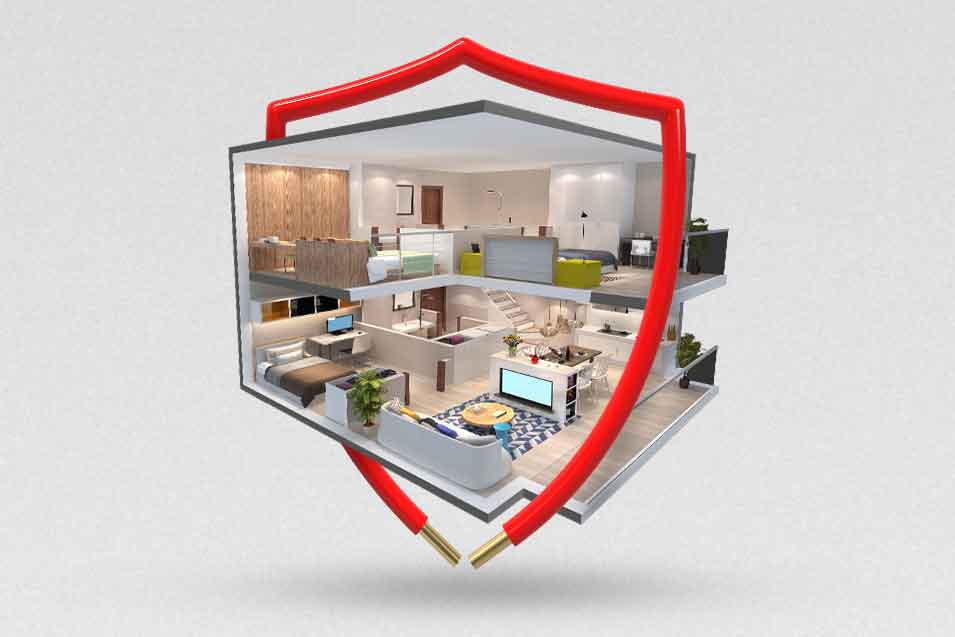
Modern homes rely heavily on electricity to support daily routines, from lighting and climate control to charging devices and powering appliances. While these systems are designed for convenience, they also require mindful use to reduce potential hazards. Understanding basic safety practices, such as avoiding overloaded outlets, using properly rated extension cords, and keeping electrical components away from moisture, can help maintain a safer living environment. Awareness of how electrical systems function within the home is a practical step toward preventing accidents and unexpected disruptions.
Regular inspections and timely maintenance also play an important role in household safety. Aging wiring, outdated panels, or unnoticed wear can increase the risk of electrical issues if left unaddressed. Consulting qualified professionals, such as those at Capitol Hill Electric, can provide valuable insight into whether existing systems meet current safety standards. By staying informed and attentive to electrical conditions, homeowners can make thoughtful decisions that support both comfort and long-term reliability without compromising safety.
Install Ground Fault Circuit Interrupter (GFCI) Outlets
GFCI outlets are an essential line of defense against electrocution, particularly in areas where water and electricity come into close contact. They are programmed to instantly cut power if an electrical imbalance is detected, stopping serious electric shocks before they start. These outlets are strongly recommended for kitchens, bathrooms, laundry rooms, basements, garages, and exterior locations. Homeowners should check GFCI outlets monthly by pressing the “Test” and “Reset” buttons to verify they’re functioning properly.
Avoid Overloading Outlets
It is easy to overlook how many devices and appliances are plugged into a single outlet, especially with the rise of mobile gadgets and smart home accessories. Overloaded outlets can overheat, increasing the likelihood of sparks or electrical fires. To minimize risk, use power strips with surge protection or circuit breakers, and distribute high-powered devices across multiple outlets throughout your home. Avoid using extension cords as a long-term solution, and always check the manufacturer’s guidelines for maximum load recommendations.
Replace Damaged Cords and Plugs
Worn-out, frayed, or damaged cords expose live wires that can result in electrical shocks or even house fires. Check power cords for cracks, kinks, visible internal wiring, or melted insulation. These should be replaced or repaired by a professional immediately. Additionally, do not run cords under rugs, carpets, or doors, as they may become damaged or create tripping hazards. Protect children and pets from chewing or playing with cords by using cord organizers or covers.
Use the Correct Bulb Wattage for Fixtures
Light fixtures are engineered to handle only a specific wattage. Using bulbs that exceed this limit can generate excess heat, melt insulation, and increase fire risk. Before replacing a bulb, always check the fixture’s maximum wattage rating. With the availability of energy-efficient options such as LED bulbs, it is now easier to find low-wattage bulbs that deliver sufficient brightness while generating less heat. LEDs also last significantly longer, making them a worthwhile investment for safety and energy savings.
Unplug Unused Appliances
Appliances and devices left plugged in continue to draw electrical power, even when switched off. Known as “phantom load,” this can contribute to higher energy bills and unnecessary wear on circuits. Worse, a malfunction or short could spark an electrical fire. Unplug readily movable devices such as toasters, coffee makers, chargers, and hair dryers when not in use. Take extra care with appliances that get wet or hot, storing them safely once unplugged.
Schedule Regular Electrical Inspections
Whether your home is new or more than a decade old, routine inspections by a certified electrician are crucial. Inspections can uncover aging or unsafe wiring, double-tapped outlets, overloaded circuits, and outdated breaker panels. Homeowners purchasing or renovating older homes should have the entire system inspected to ensure compliance with current codes and safe practices. Your electrician can also recommend modern upgrades or preventative maintenance where necessary.
Hire Professional Electricians for Major Work
There are many do-it-yourself home improvement projects, but major electrical repairs should never be one of them. Only licensed electricians have the skills, tools, and experience necessary to handle complex jobs safely. Mistakes during repairs or upgrades can result in costly damage, fires, or serious injury. Always choose a certified professional for work involving wiring, breakers, panels, or new system installations. They will ensure that all work complies with local regulations and the latest safety standards. For more information on finding a qualified electrician, consult guides from reputable sources such as Angi.
Install Smoke and Carbon Monoxide Detectors
Protecting your home from undetected fires and dangerous gas leaks is just as important as protecting against electrical hazards. Install smoke alarms and carbon monoxide detectors on each level of your home, inside bedrooms, and in hallways. Test alarms monthly and replace batteries at least once a year. Modern interconnected systems alert the entire household in the event of a threat, providing vital seconds to escape in an emergency. Be sure to replace detectors according to the manufacturer’s recommendations, typically every 7 to 10 years.
Conclusion
Practicing electrical safety at home is an ongoing responsibility that combines awareness, routine maintenance, and informed decision-making. By installing protective devices, using outlets and appliances correctly, and addressing issues before they escalate, homeowners can significantly reduce the risk of accidents and system failures. Regular inspections and professional assistance ensure that electrical systems remain up to date and compliant with safety standards. When combined with simple daily habits, these measures help create a home environment that is not only functional and efficient but also safe and dependable for everyone who lives there.