
Home Improvement
Best Types of Glass for Modern Homes

Key Takeaways
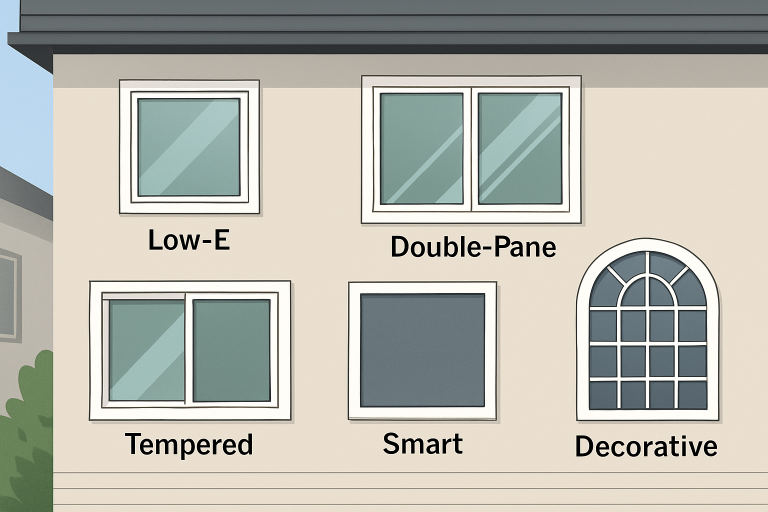
- Low-E glass optimizes energy use by reflecting thermal energy and blocking damaging UV rays.
- Double and triple-pane glass provides superior insulation and helps shield against unwanted noise.
- Tempered and laminated glass are engineered for high-impact safety and lasting durability.
- Smart glass offers dynamic privacy and lighting control with a sleek, minimalist look.
- Decorative glass infuses personality and visual appeal while serving practical functions.
Choosing the best glass for your home involves more than finding a stylish look. Today’s homeowners have a unique opportunity to enhance comfort, energy efficiency, noise reduction, and safety simply by selecting the correct type of glass. Many glass solutions now combine modern technology with aesthetic versatility, making it easier than ever to tailor your windows and partitions to fit your lifestyle. For those seeking professional advice and installation, Ace High Glass offers comprehensive solutions for homes of any style or size.
The impact of innovative glass choices goes far beyond aesthetics. The proper glass helps maintain comfortable indoor temperatures, provides privacy, filters harsh sunlight, and keeps your family safe. It can also play a significant role in lowering utility bills and even raising your property’s value. In today’s market, understanding the nuances of available glass types gives homeowners more control over their indoor environment than ever before.
Low-E Glass: Energy Efficiency at Its Best
Low-emissivity, or Low-E, glass represents an essential upgrade for any modern home seeking energy efficiency. This type of glass contains a virtually invisible, thin metallic coating that dramatically improves thermal insulation. By reflecting infrared and ultraviolet light while allowing visible light to pass through, Low-E glass keeps your home cool in the summer and warm in the winter. Homeowners can significantly reduce heating and cooling expenses, with the U.S. Department of Energy noting that energy-efficient windows can lower energy bills by over 12 percent. Low-E glass is now a standard recommendation for anyone embarking on a home renovation or new build project.
Double and Triple-Pane Glass: Insulation and Noise Reduction
Double and triple-pane windows leverage multiple layers of glass separated by gas-filled spaces (typically argon or krypton) to provide a substantial upgrade in thermal efficiency and soundproofing. These glass units are specifically designed to limit heat transfer, keeping conditioned air inside and keeping street noise and other disturbances at bay. Residents of busy neighborhoods or anyone investing in a peaceful indoor atmosphere can appreciate the value of this design. Enhanced insulation is particularly beneficial in harsh climates, resulting in more consistent indoor temperatures and significant year-round comfort improvements.
Tempered and Laminated Glass: Safety First
Safety is paramount in modern home design, and that’s where tempered and laminated glass shine. Tempered glass is produced through a special heat treatment, making it up to four times stronger than regular glass. If broken, it shatters into small blunt pieces rather than dangerous shards, reducing injury risk. Laminated glass, commonly used in hurricane-prone areas and for high-security applications, consists of two or more layers sandwiched around a plastic interlayer. This configuration holds the glass together even when shattered, providing protection from storm debris or attempted break-ins. These glass types are excellent choices for doors, bathroom enclosures, and glass railings.
For additional information on safety glass innovations and industry standards, visit this comprehensive resource on window materials and safety published by a leading consumer review site.
Smart Glass: The Future of Windows
Smart glass, also known as switchable or dynamic glass, represents the cutting edge of innovation in residential window technology. With the ability to change from transparent to opaque in seconds via an electric switch (or even an app), smart glass provides convenient privacy and light control. It eliminates the need for traditional window coverings, offering a sleek, contemporary look that is particularly well-suited to open-concept modern homes. As automation and smart home technology become more mainstream, switchable glass is increasingly popular, admired for its seamless blend of form and protective Glass: Combining Beauty and Function
Decorative glass brings a unique opportunity to add individuality and character to every living space. Options such as frosted, etched, stained, and textured glass provide tailored light diffusion and privacy without sacrificing style. Many homeowners use decorative glass for bathroom windows, entryways, cabinet inserts, and even wall dividers to introduce visual interest and elegance. Decorative glass can also filter and soften daylight, adding a cozy ambiance to interior spaces and supporting distinctive architectural features.
For insights into current decorative glass trends and their practical benefits, check out this Architectural Digest overview of decorative glass design.
Conclusion
Making an informed decision on the types of glass used throughout your home can have a lasting positive effect on energy use, safety, comfort, and style. With choices ranging from Low-E coatings to innovative smart glass, homeowners can customize their living environment to meet a wide range of needs and design preferences. By understanding the advantages and potential applications of each type, you are well equipped to optimize your space for both today and the years to come.