NEWS
Enhancing Your Woodworking Projects with a Banding Trimmer

Key Takeaways
- Edge banding is crucial for protecting and enhancing the appearance of exposed wood panel edges.
- A quality banding trimmer provides the clean finishes and efficiency necessary for professional woodworking results.
- Choosing the right tool and maintaining it properly ensures durable and attractive furniture.
Understanding Edge Banding
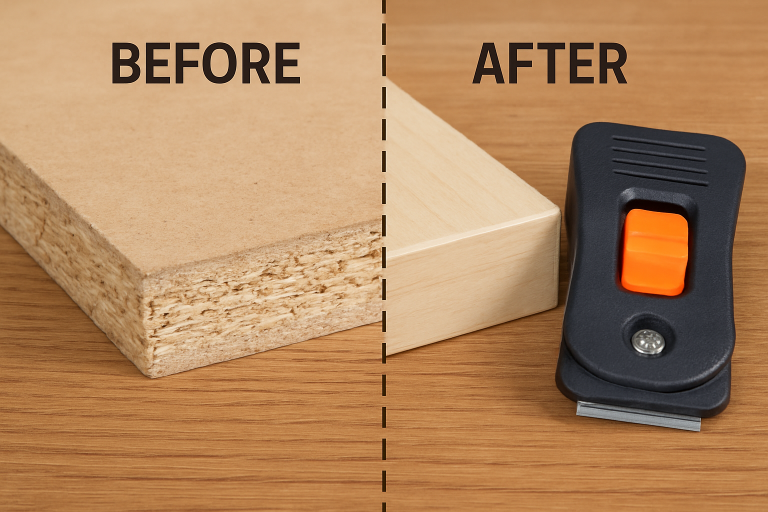
Woodworking projects often use panel products like plywood or MDF, whose exposed edges can be unattractive and prone to damage. Edge banding, which involves applying materials such as wood veneer, PVC, or melamine, protects these edges, strengthens the structure, and enhances the appearance. Wood veneer offers a natural, stain-matching look, while PVC and melamine provide superior resistance to moisture, wear, and stains. Achieving a seamless, durable finish with edge banding is a mark of craftsmanship that separates fine woodworking from amateur work. Even when the banding is applied carefully, the edges must be trimmed perfectly flush to avoid unsightly overhangs and ensure the final product feels solid and pleasant to the touch. For this critical task, professionals rely on a dedicated banding trimmer. The banding trimmer enables the precise removal of excess material, resulting in a clear, sharp line between the banded edge and the panel surface. Especially on intricate, curved, or contoured edges, a reliable banding trimmer is indispensable for achieving clean, consistent results. Without it, even the best-applied edge banding could leave a project looking unfinished or flawed.
The Role of a Banding Trimmer
A banding trimmer precisely removes excess edge banding to ensure a smooth, flush finish, enhancing both the appearance and durability of woodworking projects. Available in both hand-operated and electric designs, these tools often feature adjustable guides and replaceable blades, providing versatility. Proper trimming not only improves aesthetics but also prevents chipping, peeling, and water damage, extending the life of furniture, cabinets, and millwork.
Benefits of Using a Banding Trimmer
- Precision and Consistency: A dedicated trimmer assures uniform edges on every panel, minimizing human error and variations from one piece to the next. This consistency is key for custom work, cabinetry, and furniture that demand flawless details.
- Time Efficiency: While manual trimming can be tedious and time-consuming, using a banding trimmer speeds up the process, allowing the woodworker to maintain a high standard of quality. This efficiency becomes even more valuable on multi-unit jobs or in commercial production environments, helping woodworkers meet deadlines and handle larger orders with confidence.
- Enhanced Durability: Proper trimming protects edge banding from exposure and mechanical damage. Crisp, flush edges are less likely to catch, peel, or fray, keeping your furniture in prime condition for years to come, which is especially important for high-use items and surfaces.
To compare hand tools, power tools, and automated equipment, Wood Magazine offers an in-depth examination of best practices and tool choices for edge banding at all skill levels, including practical recommendations for selecting and utilizing tools based on your workflow and budget.

Choosing the Right Banding Trimmer
Material Compatibility
Not every trimmer is suitable for all types of banding. While some trimmers are effective with flexible edge materials, such as PVC or wood veneer, others are designed for rigid or thicker strips, like ABS or solid wood bands. When choosing a trimmer, consider the edge banding materials you use most often in your projects. The right match ensures cleaner cuts, reduces wear on the tool, and provides a safer operating experience. Using an ill-suited trimmer can cause tearing, chipping, or uneven edges that mar your finished product.
Adjustability
Look for models with adjustable settings that accommodate variations in edge thickness and width. This extra versatility means you won’t have to invest in multiple trimmers for different jobs, saving you both money and the hassle of switching tools mid-project. Adjustable trimmers can effortlessly adapt to a range of materials and sizes, perfect for workshops with diverse output or for woodworkers who tackle both furniture and cabinetry projects.
Ergonomics and Ease of Use
Long periods of detailed trimming can cause fatigue that affects both comfort and accuracy. Ergonomic handles, lightweight bodies, and intuitive adjustment mechanisms help minimize the strain associated with repetitive tasks. The best banding trimmers are designed for both comfort and precision, making frequent use enjoyable rather than burdensome and reducing the risk of mistakes due to hand fatigue.
Integrating a Banding Trimmer into Your Workflow
Adding a banding trimmer to your workshop routine yields measurable improvements beyond mere appearance. Studies have shown that introducing automated trimmers and edge banding machinery can boost productivity by up to 30%, according to insights published in Fine Woodworking. Integrating a trimmer into each step of the fabrication process—right after banding but before final sanding or finishing—streamlines production and greatly reduces the risk of costly mistakes. For both solo woodworkers and manufacturing teams, reliability and consistency in edge finishing translate to fewer errors, less material waste, and faster project turnaround.
Even in small workshops, using a banding trimmer ensures every piece receives the same level of attention, regardless of whether you are building a single prototype or assembling a batch of cabinets. Consistency across all finished panels helps build a reputation for quality and reliability among clients and can make a significant difference in winning repeat business or referrals.
Maintenance Tips for Longevity
- Clean the Blades Regularly: To ensure smooth, clean cuts and prevent adhesive buildup or scoring of your panels, always remove residue and debris after each use.
- Lubricate Moving Parts: Periodic lubrication of adjustable and moving components helps keep your trimmer running freely, reduces wear, and prevents premature failure.
- Inspect and Replace Worn Components: Dull blades or damaged guides can cause inaccurate cuts or even damage your panels. Replace any worn or damaged components at the first sign of trouble to ensure safe and precise operation.
With routine care, your banding trimmer will provide years of reliable service. Developing good maintenance habits also protects your investment and ensures that each trimming job meets professional standards.
Conclusion
Achieving a professional-level finish in woodworking relies on precise attention to detail at every stage of fabrication, particularly when applying and trimming edge banding. By using a high-quality banding trimmer, you can dramatically improve both the visual appeal and the structural integrity of your projects. Whether you’re crafting custom furniture, installing cabinetry, or tackling specialized joinery, selecting the right trimmer, integrating it smoothly into your process, and maintaining it carefully allows hobbyists and professionals alike to deliver lasting, beautiful work. With these best practices, every project you complete will exemplify your commitment to quality and craftsmanship.

