TRAVEL
Elevating Corporate Operations with Coordinated Air Travel

Key Takeaways
- Group air travel enhances operational efficiency and team cohesion.
- Technological advancements are streamlining booking and in-flight experiences.
- Sustainability initiatives are reshaping corporate travel policies.
- Flexible travel options cater to the evolving needs of modern businesses.
In today’s dynamic corporate landscape, travel remains critical to the success of many organizations, large and small. As companies navigate a globalized economy, the ability to mobilize teams efficiently has become more important than ever. Group aircraft charter flights are increasingly driving this evolution, providing businesses with convenient ways to move large numbers of people quickly, securely, and flexibly. With speed, reliability, and adaptability as core requirements, group air travel is transforming into a strategic advantage that modern businesses rely on for collaboration and growth. Not only does group air travel streamline logistics, but it also fosters closer working relationships by enabling key personnel to travel together. Companies gain from a unified experience, ensuring aligned arrival times for team meetings, conferences, or cross-office projects. This cohesion improves planning and reduces complications arising from split arrivals, delays, or individual bookings.
These factors make coordinated team travel a cornerstone of cutting-edge business strategy, and organizations worldwide are investing in systems to maximize these collective travel solutions. Additionally, the shift to digital platforms has made booking group travel more accessible than ever before. Airlines and charter companies offer bespoke solutions for large groups, personalizing the experience from booking to landing. These specialized services save significant time, minimize administrative hassle, and streamline approvals, reflecting a growing trend of tailored corporate travel. With such advancements, group travel is not just an investment in logistics, but in employee productivity and satisfaction. At the same time, sustainability initiatives are motivating businesses to rethink their travel policies, with carbon-reduction goals becoming integral to corporate responsibility efforts. More companies now consider environmental impact alongside efficiency when organizing group air travel, choosing flight options and carriers committed to reducing their carbon footprint. As industry standards shift, airlines are responding by embracing greener alternatives, from more fuel-efficient aircraft to sustainable aviation fuels.
Enhancing Operational Efficiency
When companies coordinate team travels through group bookings, they can strategically align employee arrivals and departures to maximize productivity. This minimizes gaps caused by staggered schedules and allows teams to hit the ground running at crucial events. Moreover, traveling together presents valuable opportunities for collaboration, team-building, and last-minute work, which can ultimately drive better outcomes for important projects.

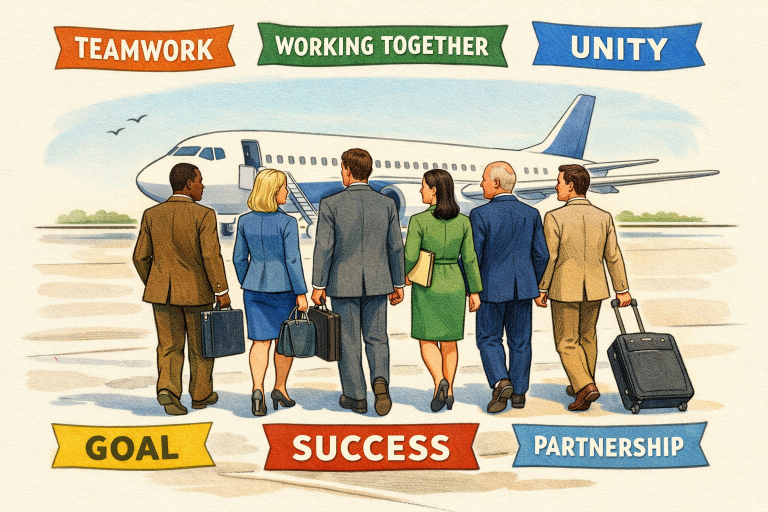
By reducing the number of individual travel arrangements, businesses not only save on administrative effort but also control costs and manage risks more effectively. Centralizing the travel process enables better negotiation with carriers and the possibility of volume discounts, adding further financial advantages to group travel strategies.
Technological Advancements in Group Travel
Innovative booking technology now empowers businesses to arrange group air travel with unprecedented ease. Sophisticated platforms offer real-time availability, dynamic pricing, automated approval routing, and user-friendly interfaces for both travel managers and travelers. Mobile apps allow passengers to stay updated on itinerary changes, security wait times, and gate information, increasing transparency and peace of mind throughout the journey. Some leading airlines and charter providers are incorporating artificial intelligence-driven customer service chatbots, offering 24/7 support and recommendations during the booking process. This instant access to information ensures that team travel is always smooth and hassle-free, further motivating businesses to invest in group charter solutions.
Sustainability and Eco-Friendly Initiatives
As companies seek to uphold their environmental commitments, sustainable group travel options are taking center stage. Many organizations now choose partners who utilize sustainable aviation fuels, operate the newest-generation aircraft, or offset carbon emissions through robust programs. These advances are complemented by efforts from major airlines and private charters, which are publicly setting and reporting emission-reduction targets. The evolution of sustainable aviation is not only a matter of reputation; it directly impacts employee engagement, as more workers value environmentally responsible employers. According to Forbes, consumer and corporate demand continue to drive innovation in eco-friendly business travel policies.
Flexibility and Customization in Corporate Travel
Personalization is expected across all facets of business operations, and travel is no exception. Airlines and group charter operators now offer bespoke travel plans tailored to each company’s objectives and schedules. Whether requiring last-minute itinerary changes or unique onboard arrangements, businesses can tailor their group travel to fit their corporate agendas. Dedicated account managers, tailored menus, and executive lounges are now part of the corporate travel experience. These enhancements not only enhance comfort but also ensure that team members arrive at their destinations ready to perform, reducing the stress and fatigue commonly associated with business trips.
The Rise of Bleisure Travel
The recent boom in “bleisure” travel, the blending of business with personal leisure, demonstrates how well-being is now an intrinsic part of the work travel equation. Employees who extend business trips for a few days of vacation, or who include family members on travel, report greater satisfaction and improved mental health. Businesses are learning that such flexibility can boost morale and foster retention, while also making it easier to justify travel expenditures by combining multiple purposes into a single trip. By accommodating such preferences, employers create a positive corporate culture that values balance. Plus, group travel arrangements can make bleisure trips more affordable, benefiting individuals and the organization alike.
Future Trends and Predictions
The future of group air travel is being shaped by rapid technological advancements and shifting market expectations. The introduction of next-gen aircraft with lower emissions and higher capacity, increased reliance on AI-powered travel management, and the gradual rollout of electric vertical takeoff and landing aircraft for short-haul business trips will redefine what’s possible. Hybrid and remote work environments are also changing travel demand, necessitating even more adaptive solutions. In addition, companies will prioritize partnerships with airlines and charters that can demonstrate tangible progress on sustainability initiatives, solidifying eco-friendly travel as a central component of corporate strategy. As these innovations mature, group air travel will enable more efficient, responsible, and productive business operations on a global scale.
Conclusion
Group air travel is no longer just a logistical necessity. It is a strategic pillar that powers the growth and cohesion of modern businesses. With cutting-edge technology, sustainable practices, and a commitment to flexibility, organizations can provide superior travel experiences while achieving efficiency, collaboration, and environmental responsibility. As the business world continues to evolve, those who leverage the advantages of group air travel will remain at the forefront of innovation and global success.

