NEWS
Creative Ways to Support Aging Loved Ones at Home

Key Takeaways
- Incorporating creative pursuits and social connections greatly improves mental well-being for seniors.
- Physical movement and modern technology help keep aging loved ones healthy and socially connected.
- Activities that promote learning, companionship, and interaction are essential to thriving at home.
Introduction
Caring for aging loved ones at home is more than simply meeting their daily needs—fostering joy, curiosity, and connection. With a thoughtful approach, families can create an enriching environment that cares for the body and nourishes the spirit. Enabling meaningful experiences and promoting independence are key, and many inventive strategies must be considered. For those looking for more comprehensive solutions, exploring options like retirement home care may also be beneficial as needs evolve.
Balancing care at home with engaging activities offers seniors the best of both worlds: familiarity and stimulation. Integrating creative art projects, new technology, and group experiences can lift spirits and give every day a sense of purpose. These strategies benefit not only seniors but also the family members who support and spend time with them.
As loved ones age, maintaining vibrant connections can prevent loneliness and depression—a concern that’s grown more common in recent years. According to the National Institute on Aging, strong social ties and meaningful engagement can delay cognitive decline and reduce stress. Family caregivers should focus on activities fostering togetherness and celebrating life’s joys.
It’s worth considering how the structure and community found in group living can also support loved ones. Familiarizing oneself with daily life in retirement home communities can help families weigh various care options when home-based solutions are no longer sustainable.

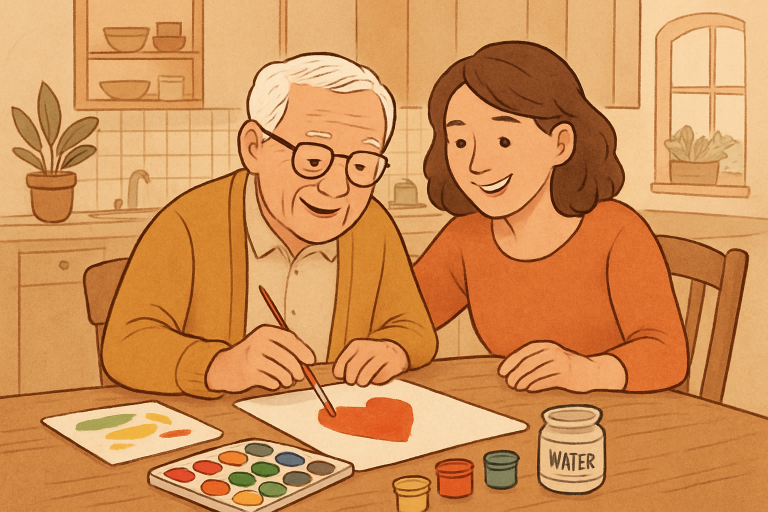
Encourage Artistic Expression
Creative outlets such as painting, drawing, knitting, or crafting provide more than distraction—they offer a powerful tool for self-discovery and memory sharing. Art activities build confidence and can ease anxiety, particularly for those with dementia or chronic illnesses. Setting up a weekly art session at home or joining a local group nurtures imagination and a sense of accomplishment. Artistic pursuits also prompt recollections and storytelling, helping seniors reflect on—and celebrate—their life experiences.
Incorporate Music and Dance
Nothing transforms the mood quite like music. Playing a favorite album, assembling a nostalgic playlist, or encouraging simple movement to rhythm can trigger joy and memories for older adults. Dance nights at home can become a cherished family ritual, improving physical flexibility and providing fun exercise. According to the American Psychological Association, music therapy has proven benefits in reducing agitation and increasing relaxation, especially in those with dementia.
Leverage Technology for Connection
Modern technology is a gateway to ongoing connection and lifelong learning, allowing seniors to stay engaged—from video chats with distant relatives to virtual museum tours and online exercise classes. Simple tablets or voice-activated devices remove barriers, making it easier for less tech-savvy individuals to participate. During the pandemic, virtual experiences helped many aging adults avoid isolation, while platforms such as Zoom and FaceTime brought families together for celebrations and milestones.
Promote Physical Activity
Physical movement is essential for overall health and longevity. Simple exercises tailored to ability—like chair yoga, gentle stretching, or walks in the yard—can dramatically improve seniors’ mood, balance, and mobility. Encouraging a routine offers physical benefits and establishes a comforting daily rhythm. Inviting loved ones to participate together makes fitness feel social, unlike a chore.
Facilitate Social Engagement
Maintaining social connections helps older adults feel valued, seen, and part of their community. Schedule weekly calls, movie nights, or shared hobby sessions with neighbors, friends, or relatives. Interactive opportunities—like book clubs, gardening groups, or local support circles—give aging individuals a sense of belonging and motivate them to stay active. The Mayo Clinic underscores that regular socialization reduces the risk of mental health issues in seniors.
Introduce Pet Companionship
Animals bring warmth and structure to daily life. Pet ownership or occasional visits from therapy animals have been linked to lower anxiety, better heart health, and increased joy among older adults. Even robotic pets or scheduled trips to local animal sanctuaries can provide the affectionate comfort many seniors crave. Before introducing a pet, consider allergies, mobility, and care requirements to ensure the companionship remains positive and manageable.
Engage in Culinary Activities
Cooking and baking together stimulate multiple senses and provide an opportunity to share family traditions and stories. Experimenting with new recipes or recreating beloved classics fosters connection while subtly encouraging healthy eating habits. Simple tasks like mixing or decorating can be tailored for seniors of all ability levels, making kitchen time inclusive and uplifting.
Support Lifelong Learning
Encourage curiosity at every age by suggesting new hobbies, skills, or topics to explore. Many organizations offer free or low-cost online classes in languages, music, history, and more. These activities challenge the mind, build self-esteem, and can even introduce new circles of friends. Continued learning reminds seniors—and their families—that growth and joy are possible at any age.
By weaving creativity, connection, and purposeful activity into everyday care, families can significantly enrich the lives of their aging loved ones. With a bit of imagination, home can become a supportive space filled with inspiration, comfort, and lifelong learning.

