NEWS
Creative Approaches to Employee Recognition Programs

Key Takeaways
- Personalized and innovative recognition strategies boost employee engagement and job satisfaction.
- Frequent and meaningful recognition fosters a positive culture and supports productivity.
- Diversifying recognition methods caters to different personalities and preferences in the workplace.
Introduction
Employee recognition has evolved far beyond yearly service awards and generic thank-yous. Today, companies that invest in meaningful acknowledgment strategies gain a competitive edge with happier, more loyal teams. Developing a memorable approach to workplace appreciation can energize your culture and spark ongoing motivation. If you’re looking for new ways to show gratitude to your staff, consider adding awards for employees that align with your company’s values and style. Thoughtful recognition not only makes team members feel valued, but it also fuels a stronger, healthier organization.
Beyond traditional incentives, employees respond positively to recognition that reflects a genuine understanding of their effort and personality. The best programs go beyond one-size-fits-all solutions; they choose personalized pathways to highlight achievements and foster mutual respect. Exploring creative acknowledgment fosters a positive environment and encourages everyone to bring their best to the job.
In a diverse workplace, people’s preferences for recognition can vary greatly. Acknowledging this and offering creative, flexible, and personal methods not only provides motivation but also helps retain top talent in an increasingly competitive job market. Let’s explore some of the most effective and creative strategies any organization can implement today.
For more insights into fostering employee growth, organizations can consult trusted resources like SHRM’s compilation of employee recognition ideas to enhance their overall workplace strategy.
Personalized Appreciation Programs
Individualized recognition is a defining feature of forward-thinking organizations, signaling sincere respect and appreciation for each employee’s contributions. Tailored gestures—from handwritten notes or a one-on-one lunch with leadership to a thoughtfully chosen gift card—demonstrate attention to personal preferences and effort. Such personalized acknowledgment fosters stronger relationships, deepens employee loyalty, and reinforces a sense of belonging. Organizations cultivate an engaged, motivated workforce and a positive, supportive workplace culture that drives long-term success by making team members feel genuinely seen and valued as individuals rather than just contributors.

Peer-to-Peer Recognition Platforms
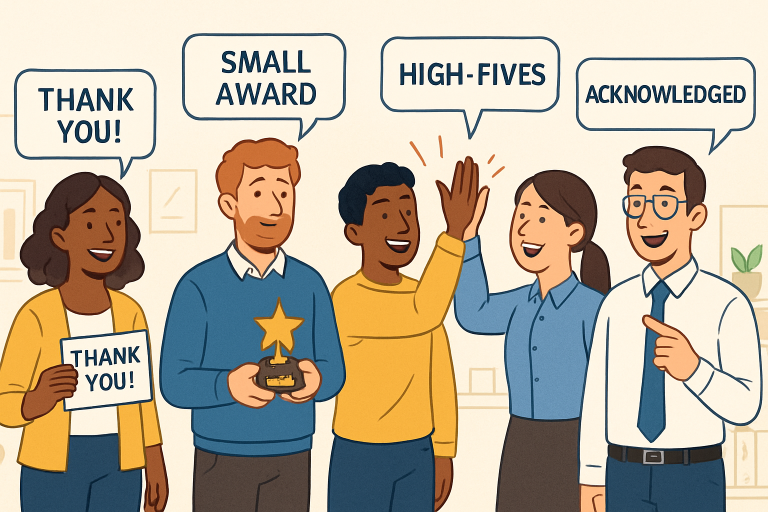
Cultivating a supportive workplace starts with empowering employees to recognize one another’s efforts through digital tools or in-person acknowledgments. Peer-to-peer recognition programs make appreciation more inclusive, allowing gratitude to flow across teams and departments rather than being top-down. Regular public recognition displays—such as weekly meeting shout-outs, a company-wide kudos board, or digital badges—reinforce positive behavior, celebrate achievements, and strengthen interpersonal connections. These practices boost morale and foster a culture of collaboration, trust, and shared success, where every contribution feels valued and meaningful.
Gamification of Recognition
Transforming employee recognition into a game can significantly boost motivation and engagement. Organizations turn accomplishments into visible, celebrated moments by introducing leaderboards that highlight achievements or awarding digital badges for key milestones. Friendly competitions around monthly targets, innovative solutions, or team challenges keep employees involved and invested in their progress. Gamification leverages the innate desire for achievement and recognition, making acknowledgment more interactive and enjoyable. When integrated thoughtfully, this approach fosters a culture where recognition is continuous, engaging, and embedded into everyday workplace practices.
Wellness-Focused Rewards
Prioritizing employees’ health and well-being reflects a genuine, long-term commitment to workforce satisfaction and productivity. Organizations can support this by providing meaningful incentives that promote balance and self-care, such as subscriptions to fitness apps, healthy meal delivery services, or on-site wellness programs including yoga and mindfulness workshops. These initiatives signal to staff that their physical, mental, and emotional health is as important as their professional contributions. By valuing holistic well-being, companies foster stronger engagement, reduce burnout, and cultivate a more motivated, loyal, and resilient workforce.
Celebrating Non-Work Achievements
Acknowledging employees’ lives beyond the workplace nurtures a culture of openness, trust, and authenticity. Celebrating birthdays, volunteer efforts, educational accomplishments, or other personal milestones—whether through cards, social media shout-outs, or team gatherings—demonstrates genuine care and recognition. These gestures help employees feel valued as whole individuals, not just as contributors to company goals. By fostering these connections, organizations strengthen team bonds, enhance morale, and build a sense of belonging. Over time, such thoughtful acknowledgment encourages loyalty, engagement, and long-term commitment within the workforce.
Flexible Rewards Catalogs
Every individual has unique motivators, which makes a one-size-fits-all approach less effective. Implementing a flexible catalog of rewards—allowing employees to choose from experiences, products, or even charitable donations—ensures that each person can select something meaningful to them. This tailored approach shows that the organization is attentive to individual preferences and needs.
Public Recognition on Social Media
Spotlighting employees across corporate social media channels extends recognition beyond the office. Public praise not only honors accomplishments but also highlights your company’s vibrant culture to clients, potential recruits, and the broader community. These online spotlights can boost morale, foster pride, and serve as meaningful, shareable tokens of appreciation. According to SHRM, organizations with robust recognition programs enjoy higher engagement and retention rates.
Continuous, Real-Time Recognition
Organizations are shifting from traditional, scheduled recognition events to continuous, real-time acknowledgment of employee contributions. Using tools such as instant feedback apps and digital recognition platforms, achievements can be celebrated the moment they occur, reinforcing desirable behaviors and sustaining motivation throughout the workday. This immediate acknowledgment boosts individual morale and strengthens team cohesion and engagement. Over time, consistent and sincere recognition fosters a workplace culture rooted in gratitude, positivity, and shared success, encouraging employees to maintain high performance and actively support one another’s accomplishments.
Conclusion
Taking a creative approach to employee recognition turns appreciation into a core component of company culture. By blending personalized touches, team-driven initiatives, and public acknowledgment, organizations can keep staff feeling valued and inspired. The most successful recognition strategies evolve with the needs of their people, remain authentic, and are woven seamlessly into daily operations. Implementing even a few of these ideas can create a cascading effect of positivity and drive sustainable organizational success.

