NEWS
Common Legal Challenges Faced by Families Today

Key Takeaways
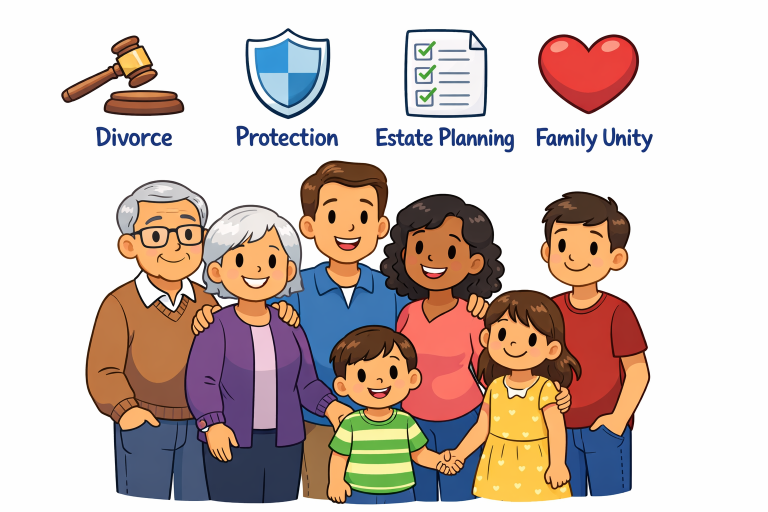
- Divorce and separation frequently bring complex questions about finances, custody, and future arrangements.
- Custody and support agreements must prioritize the child’s best interests and the financial needs of dependents.
- Without estate planning, families may face avoidable uncertainty and conflict over assets or inheritance.
- Victims of domestic violence need immediate access to legal protection and long-term support solutions.
- Blended families face particular legal considerations and should update legal documents to reflect their new dynamics.
Families are facing an evolving landscape of legal challenges that can affect their stability, relationships, and financial security. From the emotional toll of divorce proceedings to the practical necessity of preparing for the future, families need to understand their legal options and where to turn for trusted help. Consulting a qualified personal injury attorney in Tega Cay can offer guidance beyond just injury claims; many family law attorneys are prepared to handle the diverse legal needs households encounter today.
Because modern family life often involves blended relationships, shared parenting, and financial planning, legal complexities are increasingly common. Families may also need support in urgent matters such as domestic violence, where swift legal intervention is crucial. The stakes can be high, whether the goal is to protect vulnerable members or to plan for major life changes. Proactive legal help is key to safeguarding everyone’s interests and upholding rights. For those living in or visiting areas with unique legal concerns, understanding state-specific laws, such as South Carolina boating laws, can protect families from costly penalties or preventable incidents while enjoying recreational activities together.
Divorce and Separation
Divorce and separation remain among the most common and disruptive legal events that families face. With almost half of marriages in the United States ending in divorce, these proceedings typically address far more than the ending of a marital relationship. Fair division of property, assessment of spousal support, and arrangements regarding children are all significant considerations during this time. Without skilled legal representation, misunderstandings can escalate, and individuals may agree to terms not in their best interest or that of their children. Mediation or litigation may both play a role, depending on the parties’ willingness to cooperate. The stress and complexity of divorce reinforce the need for experienced legal guidance.
Child Custody and Support
Children are often the most vulnerable parties during separations or divorces. Courts in the United States determine custody based on what serves the child’s best interests, considering factors such as emotional bonds, the stability of each home environment, and parental capacity. Arrangements for child support are often set according to state guidelines, ensuring children retain access to adequate financial resources to meet their needs. According to the U.S. Census Bureau, over 12 million children receive court-ordered support, underscoring the centrality of these issues to family law. When disputes arise around custody or support, timely legal advice and advocacy are crucial for a fair outcome.
Estate Planning
Estate planning is essential to ensure a family’s resources are managed according to an individual’s wishes after death or incapacity. Planning often includes creating wills, trusts, and legal designations for guardians or beneficiaries. Families without clear estate plans can find themselves embroiled in drawn-out legal disputes and financial uncertainty at times of crisis. Asset protection, tax considerations, and the needs of minor children or blended families add complexity to these processes. A well-crafted estate plan is not only about distributing possessions. Rather, it also supports loved ones and prevents unnecessary future conflict.
Domestic Violence
Legal protection for victims of domestic violence is urgent and critically important for safety and well-being. Law enforcement, courts, and family advocates work together to issue restraining orders and emergency protective orders, and to provide support programs for affected individuals. While laws vary by state, most jurisdictions prioritize swift intervention and the preservation of evidence. If children are present in the home, courts may act quickly to assign temporary custody or supervised visitation to protect them. Access to shelters and legal aid is a lifeline for many victims.
Legal Issues in Blended Families
Blended families, which include stepchildren, half-siblings, or new parental figures, create additional legal considerations. It is vital to update estate documents, such as wills and beneficiary lists, so that all family members are appropriately provided for and conflicts are avoided. Past relationships may require ongoing coordination regarding custody or visitation, potentially impacting new partnerships. Negotiating these issues can be emotionally charged, but planning with legal guidance helps blended families form a clear roadmap to avoid misunderstandings and ensure that everyone’s rights are protected.
Conclusion
Successfully resolving family legal challenges strengthens the stability and harmony necessary for long-term well-being. Early intervention, comprehensive legal planning, and access to trusted advisors allow families to weather difficult circumstances with clarity and confidence. By leveraging the right resources and professional support, families can turn obstacles into opportunities for growth and protection, ensuring the best outcomes for every member involved.


