Latest News
Common Causes of Slip and Fall Accidents

Key Takeaways
- Wet and slippery surfaces are primary contributors to slip and fall accidents.
- Uneven flooring and poor lighting significantly increase the risk of falls.
- Environmental conditions and lack of proper training also play crucial roles.
Slip and fall accidents are among the most frequent reasons for injury, sending millions of Americans to emergency rooms each year. Whether they occur in public places, businesses, or at home, understanding the most common causes of these incidents is critical to prevention. For those who have suffered injury and are facing mounting medical bills and uncertainty, consulting a slip and fall accidents attorney is a crucial step in protecting your rights and exploring options for compensation.
Safety risks often exist where people least expect them, turning a routine shopping trip or commute into a dangerous ordeal. From wet supermarket aisles to dark stairwells, negligent property maintenance is a leading contributor to slips and falls nationwide. Businesses and property owners must be vigilant in identifying and correcting hazards to ensure the safety of both patrons and employees.
Homeowners also play an essential role in fall prevention. Even small oversights, such as a loose floor tile or clutter near walkways, can result in painful injuries. The law recognizes both personal and commercial responsibility in accident prevention, emphasizing the shared duty we all have to maintain safe environments.
Suppose you or someone you know has been involved in a slip-and-fall accident. In that case, understanding the role of negligence and liability is important not only for recovery but also to prevent similar accidents from happening to others. Just as property owners can be held accountable for slip and fall injuries, dog owners may be liable for injuries their animals cause. In cases of animal attacks, consulting a specialized dog bite attorney can provide essential guidance. It’s also crucial to document evidence promptly, including photos, witness statements, and medical reports, to strengthen any potential claim. Seeking advice from a skilled slip and fall accidents attorney can ensure your rights are protected and help you pursue fair compensation for your injuries.

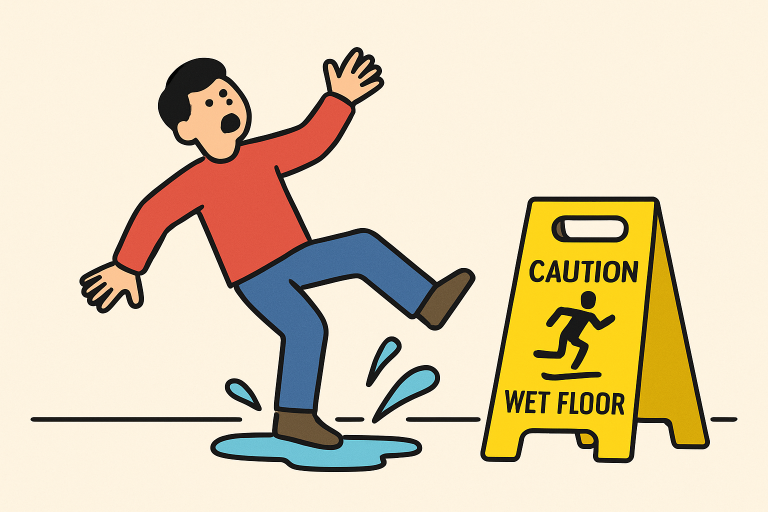
Wet and Slippery Surfaces
Wet floors, spills, slick entrances, and recently polished surfaces are leading causes of slip and fall accidents. Businesses, retailers, landlords, and property managers have a responsibility to inspect for hazards and address them promptly. When removal isn’t possible—such as during cleaning—clear warning signs and barriers must be used to protect the public.
- Uneven pavement and poorly maintained parking lots
- Loose mats or rugs and torn carpeting
- Hazardously slick floors after mopping or waxing
- Icy or snow-covered sidewalks and entrances
- Pooled water due to leaks or plumbing issues
- Unattended grease or oil spills, especially in kitchens
Grocery stores, offices, schools, and hospitals are particularly vulnerable because of their high foot traffic. Swift responses to spills and regular floor maintenance are crucial. According to the Centers for Disease Control and Prevention (CDC), effective floor cleaning policies and spill response training can significantly reduce the incidence of accidents.
Uneven Flooring and Surfaces
Cracked concrete, damaged tiles, abrupt changes in floor levels, and poorly maintained walkways all increase the likelihood of falls. Even minor defects, such as upturned corners on rugs or small holes in flooring, can catch feet and cause a stumble. Regular inspections are crucial, and damaged surfaces should be promptly repaired or replaced to ensure people’s safety.
Common Problem Areas
- Sidewalks with cracks or shifted paving blocks
- Carpet seams or buckling in office or hotel corridors
- Potholes in parking lots
- Wood or tile floors with warped sections
Property owners face increased liability if accidents occur after they have been notified of a hazard and fail to take action. In cities, local ordinances may require property managers to maintain public sidewalks to a certain standard. Even private homeowners can be responsible for injuries if irregular flooring is present on walkways leading to their door.
Poor Lighting
Insufficient lighting can mask dangers, particularly in hallways, staircases, parking structures, and entryways. Dim lighting makes it harder to notice spills, elevation changes, or obstacles in one’s path. Under many legal frameworks, property owners are required to ensure that at-risk areas are well-lit and to maintain bulbs, fixtures, and emergency lighting systems on a regular basis.
Inadequate lighting is especially hazardous for those with visual impairments or mobility challenges. According to the National Safety Council, businesses and homes should prioritize lighting upgrades in stairwells, lobbies, and exterior areas to minimize nighttime accident risks.
Environmental Conditions
Weather plays a significant role in slip and fall risks. Rain, snow, sleet, or even fallen leaves can create slick or obstructed walking surfaces. Many cities mandate snow and ice removal on sidewalks within a specific timeframe, and failure to comply places pedestrians and property owners at risk for liability. Even inside, tracked-in water or mud during inclement weather can cause slippery conditions near entrances.
Proactive Measures for Weather Hazards
- Shoveling and salting sidewalks after snowfall
- Using nonslip mats at entryways
- Posting weather hazard warning signs in lobbies or common areas
Lack of Training
Employee education is crucial in environments such as grocery stores, warehouses, hotels, and schools, where high foot traffic and potential hazards can develop quickly. Proper training helps employees recognize dangers and respond swiftly to reduce risks. Failure to train staff adequately is a common cause of preventable injuries in commercial settings and may contribute to liability if an accident occurs.
Preventive Measures
Many slip and fall injuries can be prevented through proactive inspection, regular maintenance, and adherence to proper safety protocols. Some of the most effective strategies include:
- Conducting routine checks and maintenance of all floors and walkways, both indoors and outdoors.
- Cleaning up spills immediately and always using clear signage for wet or hazardous areas.
- Installing adequate lighting in key areas and replacing bulbs or fixtures as needed.
- Providing workers with training in hazard recognition, spill cleanup, and safety reporting procedures.
- Monitoring and managing weather-related risks at entrances and outdoors, such as promptly clearing ice and snow.
Understanding and addressing the common causes of slip and fall accidents is not only about compliance or liability—it’s about protecting members of our communities from preventable harm. Concerted attention to detail, regular maintenance, and comprehensive training programs are fundamental steps in making public and private spaces safer for everyone.
Conclusion
Slip and fall accidents are not only common but also largely preventable when property owners, businesses, and individuals take proactive safety measures to ensure a safe environment. From maintaining proper lighting and flooring to promptly addressing spills and environmental hazards, prevention begins with awareness and accountability. These everyday precautions can mean the difference between a safe environment and a serious injury.
If an accident does occur, knowing your rights is essential. Consulting an experienced slip and fall accident attorney can help you navigate the legal process, determine liability, and pursue the compensation you deserve for medical expenses, lost wages, and emotional distress. Legal professionals specializing in these cases provide invaluable guidance in holding negligent parties accountable and preventing similar accidents in the future.
Ultimately, preventing slip and fall injuries requires a shared commitment—from property owners who maintain safe premises to individuals who stay aware of potential hazards. By fostering a culture of safety and responsibility, communities can reduce risks and protect the well-being of everyone who walks through their doors.

