Home Improvement
Build It Right – Best Roofer Website Development Agencies Reviewed

Why a Professional Website is a Roofer’s Most Valuable Tool
In today’s digital-first world, a professional website isn’t just a nice-to-have for a roofing company; it’s a fundamental necessity. It serves as your primary digital storefront, open 24/7, reaching potential customers who are actively searching for your services.

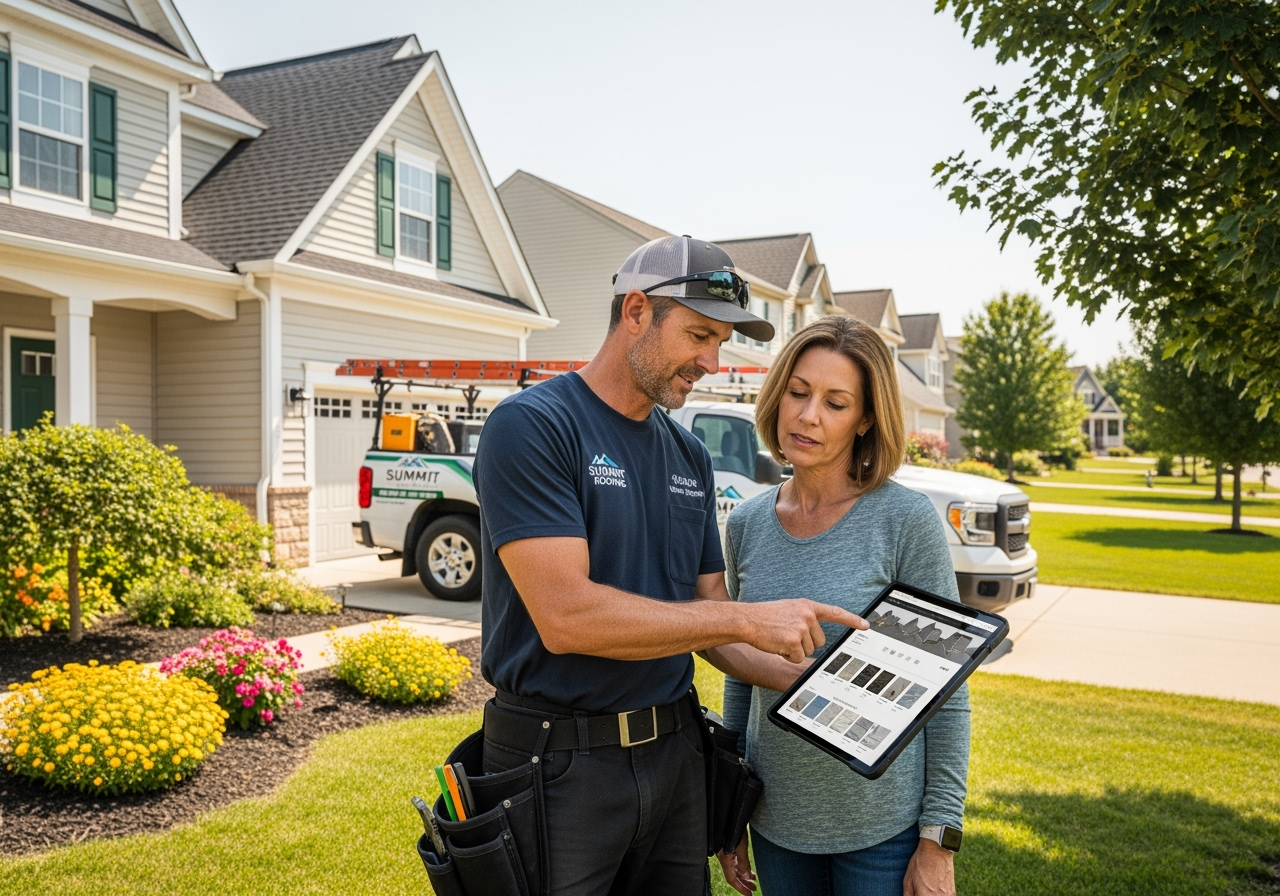
First Impressions and Digital Credibility: Your website is often the first interaction a potential customer has with your business. As the statistics show, 38% of visitors will stop engaging with your website if it isn’t visually appealing, and a staggering 48% of people believe that a bad website means a company doesn’t care about their business or their customers. This underscores the critical role of a professional, aesthetically pleasing website in establishing trust and credibility from the outset. A well-designed site signals professionalism, attention to detail, and a commitment to quality—qualities customers seek in a roofing contractor.
Lead Generation: Beyond aesthetics, a professional website is a powerful lead generation tool. It acts as a central hub for all your marketing efforts, converting interested visitors into qualified leads. Through strategically placed contact forms, clear calls-to-action, and integrated communication channels (like live chat or click-to-call buttons), your website can capture inquiries around the clock. Roofing companies that use email marketing to nurture leads, often collected via website forms, generate up to 50% sales increase, demonstrating the direct impact on your bottom line.
Competitive Advantage: In a crowded market, a superior online presence can set you apart. While many roofing companies might have a basic online listing, fewer invest in a truly optimized, user-friendly, and content-rich website. This provides a significant competitive edge, allowing your business to outrank, out-engage, and ultimately out-perform competitors who neglect their digital footprint.
Your 24/7 Salesperson: Unlike a physical office with limited hours, your website works tirelessly. It provides detailed information about your services, showcases your expertise, and answers common customer questions at any time of day or night. This constant availability means you’re always ready to capture a lead, even when your team is on a job or after business hours. It’s an invaluable asset that continuously educates, persuades, and guides potential clients through their decision-making process.

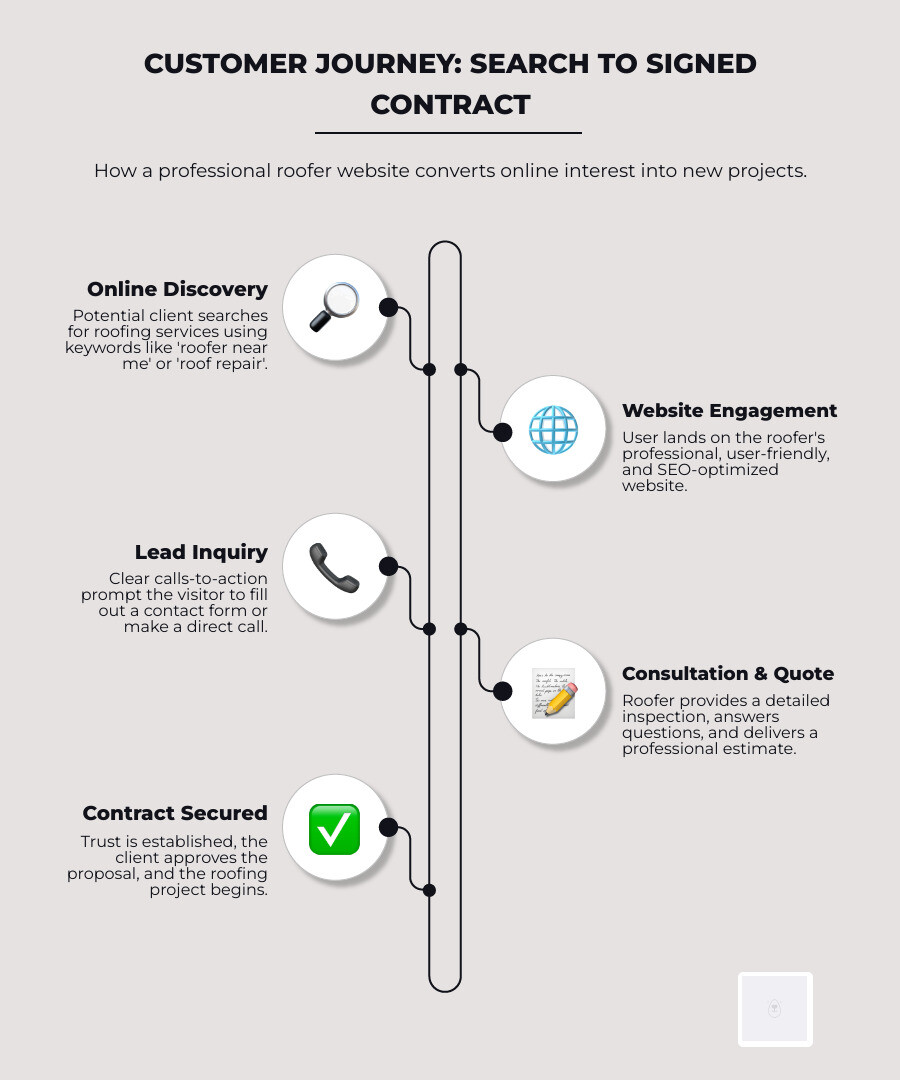
Core Components of a Lead-Generating Roofing Website
To transform your website from a mere online brochure into a powerful lead-generation machine, it must incorporate non-negotiable elements that build trust, improve user experience, and drive conversions.
Essential Pages and Content
A comprehensive roofing website is built on a foundation of key pages that inform, engage, and convert visitors.
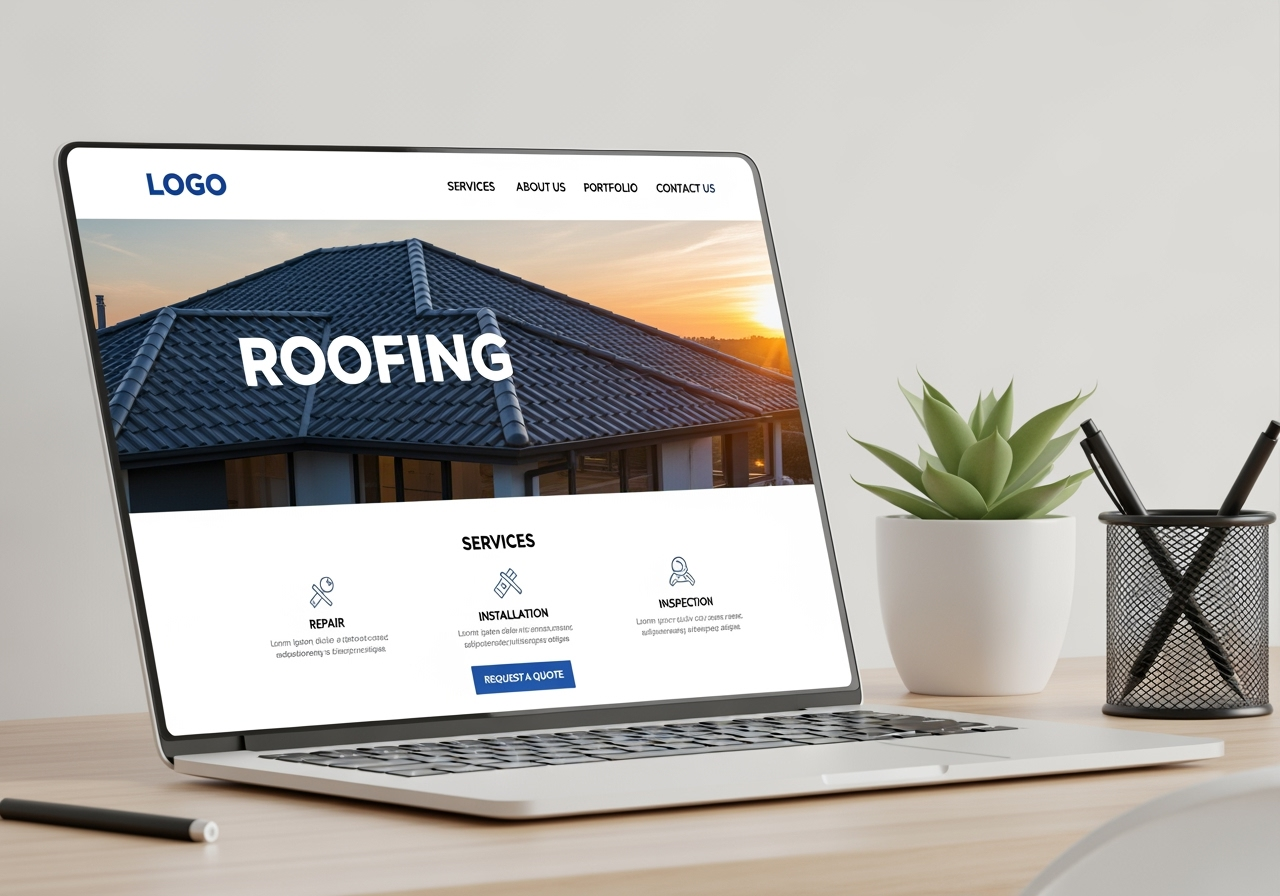
- Services Page: This is paramount. Clearly list and describe all your roofing services, including residential, commercial, repair, replacement, inspection, specific materials (asphalt, metal, tile, flat roofs), and emergency services. Each service should ideally have its own dedicated page with detailed descriptions, benefits, and relevant project photos.
- About Us Page: Share your company’s story, mission, values, and the team behind the work. This humanizes your brand and builds rapport. Include photos of your team, discuss your experience, and highlight what makes your company unique.
- Project Gallery/Portfolio: “Pictures are worth 1,000 words,” especially in roofing. Showcase high-quality before-and-after photos of completed projects. Organize them by service type, location, or material. Consider adding brief descriptions of the project scope and challenges overcome.
- Testimonials & Reviews: Social proof is incredibly powerful. Dedicate a section or page to customer testimonials. Ideally, embed reviews directly from Google My Business, Yelp, or other platforms. Video testimonials are even more impactful.
- Contact Page: Make it incredibly easy for visitors to reach you. Include your phone number (click-to-call enabled), email address, physical address (if applicable), business hours, and a user-friendly contact form. Consider adding a map for local visitors.
- Blog/Resources: A blog is a fantastic tool for both SEO and providing value to your customers. Share articles on roofing tips, material guides, maintenance advice, seasonal considerations, and common roofing problems. This positions you as an industry expert and provides fresh content for search engines.
Design and User Experience (UX) Best Practices
A visually appealing and intuitive website keeps visitors engaged and guides them toward conversion.
- Visual Appeal: Your website’s design should be clean, modern, and professional. Use high-quality images of your work, team, and materials. The color scheme should align with your brand and be easy on the eyes. 38% of visitors will stop engaging with your website if it isn’t visually appealing.
- Clear Navigation: An intuitive menu structure allows visitors to quickly find the information they need. Use clear, concise labels for navigation links and ensure they are easily accessible from any page.
- Fast Loading Times: In today’s digital world, patience is a rarity. Users expect websites to load almost instantly. Websites loading over 3 seconds lose more than 50% of visitors. Optimize images, leverage browser caching, and use efficient code to ensure your site loads quickly. Tools like Google’s PageSpeed Insights can help you identify areas for improvement.
- Mobile Responsiveness: This is non-negotiable. With 4.7 million mobile users globally accessing websites, your site must adapt seamlessly to all screen sizes—smartphones, tablets, and desktops. A mobile-friendly design ensures a positive user experience regardless of the device, which is crucial for lead generation and SEO. Google prioritizes mobile-first indexing, meaning if your site isn’t mobile-friendly, it will negatively impact your search rankings.
- Accessibility (ADA): Designing for accessibility ensures your website is usable by people with disabilities. This includes proper color contrast, keyboard navigation, alt text for images, and clear, readable fonts. Beyond being a legal requirement for some, it demonstrates inclusivity and expands your potential audience.
- High-Quality Images: Avoid generic stock photos. Use authentic, high-resolution images of your actual projects and team members. This builds trust and showcases the quality of your work.
- Strong Calls-to-Action (CTAs): Guide your visitors. Use clear, compelling CTAs like “Get a Free Estimate,” “Schedule an Inspection,” or “Call Us Today.” Place them strategically throughout your site, particularly above the fold and on service pages.
Building Trust and Authority
For a high-ticket service like roofing, trust is paramount. Your website must actively build credibility and demonstrate your expertise.
- Showcasing Licenses & Insurance: Prominently display your licensing and insurance information. This assures potential clients that you are a legitimate and responsible business.
- Displaying Certifications & Awards: Highlight any industry certifications (e.g., GAF Master Elite, Owens Corning Preferred Contractor) and awards. These validate your expertise and commitment to quality.
- Before-and-After Photos: As mentioned, these are incredibly effective. They visually demonstrate your capability to transform a damaged or old roof into a new, high-quality one.
- Video Testimonials: Videos are highly engaging and authentic. Encourage satisfied customers to provide short video testimonials about their experience with your company.
- Embedded Reviews: Integrate live feeds of reviews from reputable platforms. This provides real-time social proof and builds confidence.
- E-E-A-T (Experience, Expertise, Authoritativeness, Trustworthiness): Google’s quality guidelines emphasize these factors. Your website should reflect your E-E-A-T through detailed content, author bios, credentials, and customer reviews. Learn more about these important guidelines from Google’s E-E-A-T guidelines.
The Blueprint: Choosing Your Roofer Website Development Path
Understanding the options for building your site is critical. This section weighs the pros and cons of different development methods and outlines the key factors in selecting a professional partner.
DIY Website Builders vs. Custom Development
When it comes to building your roofing website, you generally have two main paths: using a DIY website builder or opting for custom development. Each has its own set of advantages and disadvantages.
Feature Website Builders (e.g., Wix, Squarespace) Custom WordPress Development Cost Low monthly fees (e.g., Wix plans range from Free to VIP at $39/month; Squarespace Personal Plan starts at $16/month) Higher upfront cost ($2,500 – $10,000 for professional build) Customization Limited by templates and platform features Unlimited design and functionality possibilities SEO Potential Basic SEO tools, can be limited for advanced strategies Highly customizable for advanced SEO, better long-term potential Scalability Can be challenging to scale for complex needs or integrations Built to scale with your business growth Technical Control Minimal control over code and server environment Full control over code, hosting, and database Maintenance Managed by the platform, less hands-on for you Requires ongoing updates, security, and potentially professional management DIY Website Builders: These platforms offer a user-friendly interface, drag-and-drop functionality, and pre-designed templates, making it easy for anyone to create a basic website without coding knowledge. They are cost-effective, with plans typically ranging from free to around $50/month. However, they often come with limitations in terms of customization, advanced SEO capabilities, and scalability. While good for a quick, simple online presence, they might not offer the robust features needed for aggressive lead generation or complex integrations.
Custom WordPress Development: WordPress is a powerful Content Management System (CMS) that, when developed professionally, offers unparalleled flexibility, scalability, and SEO potential. While WordPress hosting typically costs $3–$30/month, hiring a professional to build your website from scratch will typically cost somewhere between $2,500 and $10,000. This higher upfront investment provides a bespoke design custom to your brand, advanced functionality, and a solid foundation for long-term growth and sophisticated marketing strategies. It gives you full ownership and control over your digital asset.
For most growing roofing businesses serious about online lead generation, a professionally developed WordPress site offers the best balance of flexibility, performance, and long-term value, despite the higher initial cost.
Budgeting for Your Website: Costs and Maintenance
Understanding the financial commitment involved in building and maintaining a professional roofing website is crucial.
- Initial Build Cost: As mentioned, hiring a professional to build your website from scratch will typically cost somewhere between $2,500 and $10,000. This range depends on factors like the number of pages, complexity of design, custom functionalities (e.g., online quoting tools, interactive maps), and content creation.
- Hosting Fees: This is the cost of storing your website files on a server so they are accessible online. Monthly hosting fees can range from $10 to $100+, depending on the type of hosting (shared, VPS, dedicated) and the level of performance and support required.
- Domain Name: Your website’s address (e.g., yourroofingcompany.com) typically costs around $10-$20 per year.
- SSL Certificate: An SSL (Secure Sockets Layer) certificate encrypts data between your website and visitors, ensuring security and trust. It’s also a ranking factor for Google. The average annual cost of an SSL certificate is $60. Many hosting providers now include a basic SSL certificate for free.
- Ongoing Maintenance Plans: Websites require regular updates, security checks, backups, and performance monitoring. Many web design agencies offer monthly or annual maintenance plans, which can range from $50 to $500+ per month, depending on the services included.
- Content Updates: While you might manage some content updates yourself, professional copywriting for new service pages or blog posts can incur additional costs.
- Plugin/Theme Licenses: Premium WordPress themes and plugins often require annual licenses for updates and support, typically ranging from $20 to $200 per year per license.
How to Select the Right Web Design Agency
Choosing the right partner for your roofing website development is a critical decision that will impact your online success.


- Industry Specialization: Look for agencies with a proven track record in the home services or, ideally, the roofing industry. They will understand your target audience, common customer pain points, and the specific features that drive conversions for roofers.
- Portfolio Review: Examine their past work. Do their websites look professional, are they mobile-responsive, and do they have clear calls-to-action? Look for examples of roofing websites they’ve built.
- Client Testimonials: Check reviews and testimonials from their previous clients. Look for feedback on communication, project delivery, and post-launch support.
- Understanding of SEO: A beautiful website is useless if no one can find it. Ensure the agency has a strong understanding of local SEO for roofers and integrates SEO best practices into the design and development process from day one.
- Transparent Pricing: A reputable agency will provide a clear, detailed breakdown of costs with no hidden fees. Be wary of extremely low quotes, as they often indicate a lack of quality or hidden charges later.
- Communication: Effective communication is key to a successful project. Choose an agency that is responsive, provides regular updates, and clearly explains technical concepts.
To assist you in making an informed decision, we’ve compiled a comprehensive resource on roofer website development agencies reviewed. This guide can provide further insights into what to look for when selecting a partner to build your digital foundation.
Amplifying Your Reach: SEO and Marketing Integration
A great website is only effective if potential customers can find it. This section covers the essential SEO strategies to ensure your site ranks prominently in local search results and attracts qualified leads.
Mastering Local SEO for Roofers
For roofing companies, local search visibility is paramount. Most customers search for services “near me,” and appearing in local search results is crucial.
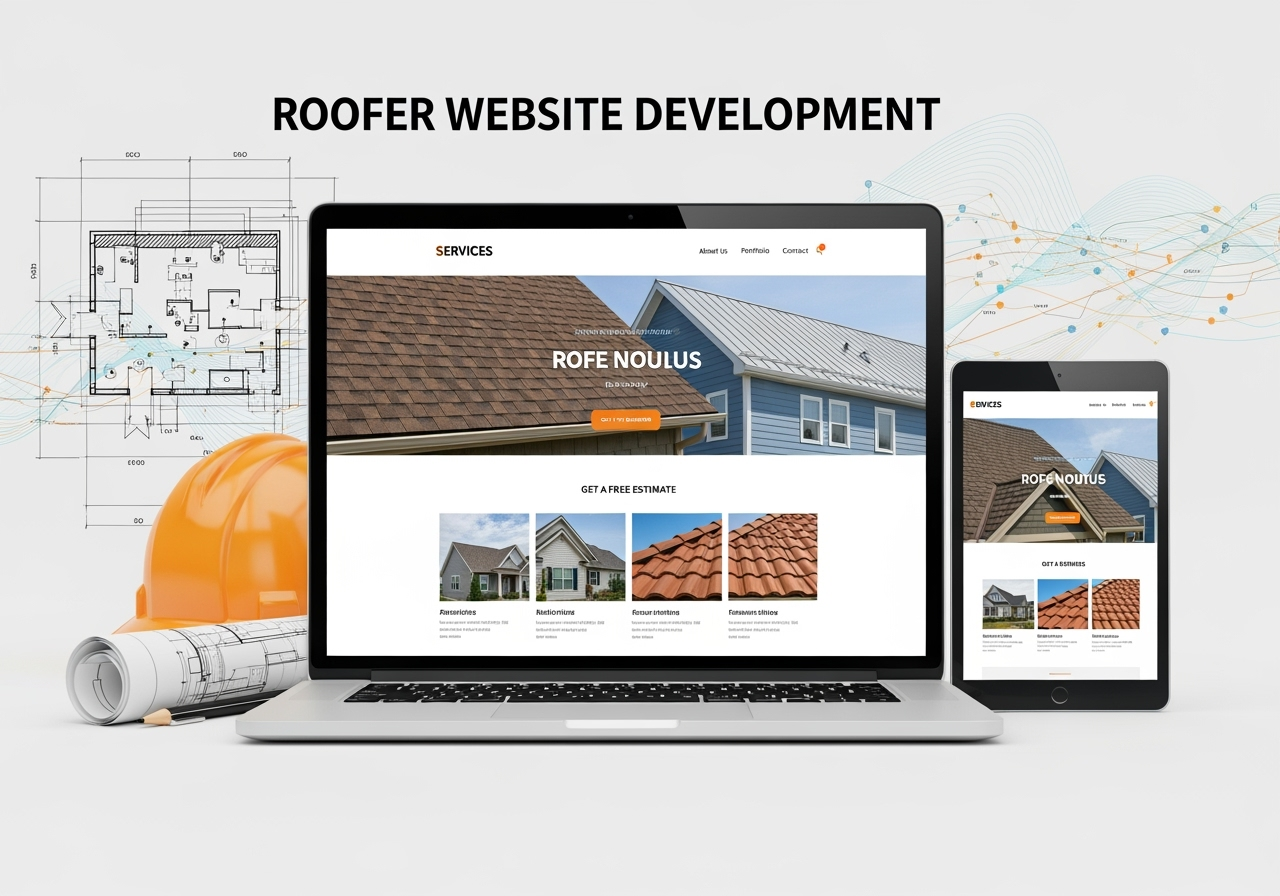
- Google Business Profile Optimization: Your Google Business Profile (formerly Google My Business) is your most important local SEO asset. Optimize it completely with accurate business information (Name, Address, Phone Number – NAP), services, photos, hours, and regular posts. Encourage customers to leave reviews, and respond to all of them.
- NAP Consistency: Ensure your Name, Address, and Phone number are identical across your website, Google Business Profile, and all online directories (Yelp, Yellow Pages, etc.). Inconsistencies can confuse search engines and hurt your local rankings.
- Local Citations: Get your business listed in relevant online directories and industry-specific sites. These “citations” act as votes of confidence for your business and help Google verify your location.
- Geo-tagged Photos: When uploading photos to your website or Google Business Profile, ensure they are geo-tagged with your service locations. This helps Google understand your service area.
- Local Landing Pages: If you serve multiple cities or neighborhoods, consider creating dedicated landing pages for each location, optimized with local keywords and unique content.
- Reviews: Actively solicit reviews from satisfied customers. Positive reviews, especially on your Google Business Profile, are a strong local ranking signal and build social proof.
For more detailed guidance on improving your local search presence, refer to Google’s guide to improving local ranking.
On-Page and Technical SEO Fundamentals
Beyond local optimization, foundational SEO practices on your website are essential for broader visibility.
- Keyword Research: Identify the terms and phrases your target audience uses to search for roofing services. Use tools to find high-volume, relevant keywords (e.g., “roof repair [city],” “metal roofing installation [city]”).
- Title Tags & Meta Descriptions: These are the snippets that appear in search results. Craft compelling, keyword-rich title tags (under 60 characters) and meta descriptions (under 160 characters) for each page to encourage clicks.
- Header Tags (H1, H2, H3): Use header tags to structure your content logically. Your H1 should contain your primary keyword, and subsequent H2s and H3s should break down subtopics, making your content easy to read for both users and search engines.
- Image Optimization: Compress images to reduce file size without sacrificing quality (for faster loading times). Use descriptive alt text for all images, incorporating keywords where relevant.
- Internal Linking: Link relevant pages within your website (e.g., from a blog post about roof maintenance to your “Roof Repair” service page). This helps search engines find your content and improves user navigation.
- Clean URL Structure: Use simple, descriptive URLs that include keywords where appropriate (e.g.,
yourroofingcompany.com/services/roof-repair). - XML Sitemaps: Submit an XML sitemap to Google Search Console. This helps search engines crawl and index all the important pages on your site.
Tracking Success and Making Improvements
SEO is an ongoing process. Monitoring your website’s performance is crucial for identifying what’s working and where adjustments are needed.
- Google Analytics Setup: Install Google Analytics on your website to track visitor behavior, traffic sources, bounce rates, and conversion goals. This data is invaluable for understanding your audience and optimizing your site.
- Conversion Tracking: Set up conversion tracking for key actions on your site, such as form submissions, phone calls, or quote requests. This allows you to measure the effectiveness of your website in generating leads.
- Call Tracking: Implement call tracking numbers on your website and marketing campaigns to monitor incoming calls and attribute them to specific sources. This is especially important for roofing businesses where phone calls are a primary lead source.
- Monitoring Keyword Rankings: Regularly track your website’s ranking for your target keywords. This helps you understand your SEO progress and identify opportunities for improvement.
- User Behavior Analysis: Use tools within Google Analytics or heat mapping software to understand how users interact with your site. Are they clicking on your CTAs? Are they spending time on key service pages?
- A/B Testing CTAs: Experiment with different CTA wording, colors, and placements to see which versions yield the highest conversion rates.
Frequently Asked Questions about Roofer Website Development
How long does it take to build a professional roofing website?
A typical timeline for building a professional roofing website can range from 4 to 12 weeks. This depends heavily on several factors, including the complexity of the design, the number of pages, the amount of custom functionality required, and the speed at which you (the client) provide content, feedback, and approvals. A simple, template-based site might be quicker, while a fully custom, SEO-optimized site with unique features will naturally take longer.
What is the most important factor for generating leads with my website?
While many factors contribute, the most important element for generating leads with your roofing website is a combination of a user-friendly, mobile-responsive design with clear, prominent calls-to-action, backed by a strong local SEO strategy. A great design ensures visitors stay and engage, mobile responsiveness ensures they can do so on any device, clear CTAs guide them to convert, and local SEO ensures qualified potential customers actually find your site when they need you most. Without traffic, even the best website won’t generate leads, and without a user-friendly experience, traffic won’t convert.
Can a new website guarantee I will rank #1 on Google?
No, a new website alone cannot guarantee a #1 ranking on Google. A well-built, technically sound, and SEO-optimized website provides the essential foundation. However, achieving top rankings, especially for competitive keywords, requires consistent, ongoing SEO efforts. This includes continuous content creation (blogging, new service pages), strategic link building (acquiring high-quality backlinks), sustained local optimization (Google Business Profile management, review generation), and adapting to Google’s changing algorithms. SEO is a long-term investment, and results typically take time to show.
Conclusion: Building Your Digital Foundation for Growth
In today’s landscape, a professional, high-performing website is no longer optional for roofing companies; it’s a fundamental asset. It serves as your most effective 24/7 salesperson, a powerful lead generation engine, and a crucial tool for building trust and credibility with potential clients.
By focusing on user-centric design, ensuring mobile responsiveness, showcasing your expertise and social proof, and implementing a robust local SEO strategy, your website can become your most reliable source of qualified leads. Whether you choose a custom development path or a robust website builder, the key is to invest in a digital presence that accurately reflects the quality and professionalism of your roofing services.
Building this digital foundation for your roofing business today will not only help you capture more market share but also drive sustainable growth for years to come.

