HEALTH
Breakthroughs in Non-Surgical Pain Relief: Exploring Innovative Therapies

Key Takeaways
- Recent FDA approvals highlight the emergence of non-opioid medications for acute pain management.
- Innovative therapies, such as neurostimulation devices and plant-derived compounds, are providing new avenues for chronic pain relief.
- Minimally invasive surgical techniques are reducing postoperative pain and the need for opioid medications.
Chronic pain affects millions worldwide, often leading individuals to seek relief through various treatments. While traditional methods like medication and surgery have been prevalent, recent advancements have introduced promising non-surgical alternatives that offer effective pain management without the associated risks of invasive procedures or opioid dependency. For instance, Midwest Vascular and Pain Specialists, formed through the merger of Ascend Pain and Wellness with Pain Therapy Associates, now operates four clinics in Illinois, providing specialized care for chronic pain and vascular conditions. These modern approaches focus on addressing the root causes of pain rather than simply masking symptoms. Patients also benefit from multidisciplinary treatment plans that may include interventional procedures, lifestyle guidance, and ongoing support. As access to specialized clinics expands, more individuals can receive personalized, evidence-based care closer to home.
Non-Opioid Medications: A New Frontier in Pain Management
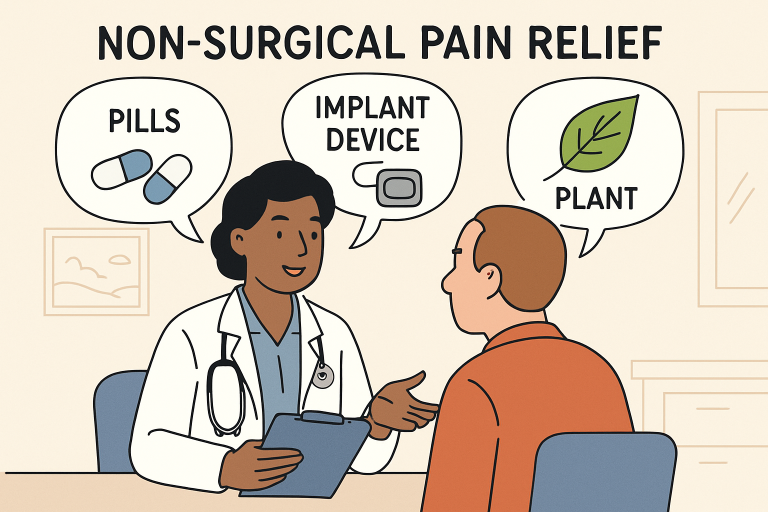
In January 2025, the U.S. Food and Drug Administration (FDA) approved Journavex (suzetrigine), marking the first new class of non-opioid pain medication in two decades. Suzetrigine targets sodium channels in peripheral pain-sensing neurons, effectively blocking pain signals before they reach the brain. Clinical trials demonstrated that 83% of patients reported good to excellent pain relief, comparable to opioids but without the risk of addiction. This development offers a safer alternative for managing moderate to severe acute pain.
Neurostimulation Devices: Harnessing Technology for Pain Relief
Advancements in neurostimulation technology have provided new options for chronic pain sufferers. Boston Scientific’s acquisition of Nalu Medical introduced a miniaturized, battery-free implant that delivers targeted pain relief through mild electrical impulses. Controlled via a smartphone app, this device has shown that 79% of users achieved an average pain relief of 64% after six months. Such innovations offer personalized, non-pharmacological solutions for managing chronic pain.
Plant-Derived Compounds: Nature’s Contribution to Pain Therapy
Researchers at the National Institutes of Health (NIH) have explored the use of resiniferatoxin (RTX), a compound derived from a cactus-like plant, as a non-addictive pain therapy. In a clinical trial, a single injection of RTX into the spinal fluid of advanced-stage cancer patients reduced their reported worst pain intensity by 38% and decreased opioid use by 57%. This approach highlights the potential of plant-derived compounds in providing effective pain relief without the side effects associated with traditional medications.

Minimally Invasive Techniques: Reducing Pain with Precision
Endoscopic spine surgery has emerged as a minimally invasive technique that reduces postoperative pain and the need for opioid medications. A study published in World Neurosurgery found that patients undergoing unilateral biportal endoscopic discectomy used 21% less opioids and 24% less non-opioid pain medication post-surgery compared to those who underwent traditional minimally invasive procedures. This technique involves small incisions and precise targeting of affected areas, resulting in quicker recovery times and reduced reliance on pain medications.
Online Interventions: Digital Solutions for Chronic Pain
Digital health interventions are becoming increasingly popular for managing chronic pain. The Personal Danger Signals Reprocessing (PDSR) program is an online, group-based intervention designed to modify pain perception mechanisms. In a study involving 19 women, participants reported significant pain reduction and improved well-being after completing the 8-week program. Such online interventions offer accessible and scalable options for individuals seeking non-pharmacological pain management strategies.
Conclusion
The landscape of pain management is evolving rapidly, with non-surgical and non-opioid therapies offering promising alternatives for individuals seeking relief. From groundbreaking medications like suzetrigine to innovative devices and digital interventions, these advancements offer hope for effective pain management without the risks of traditional treatments. As research continues, healthcare providers and patients need to stay informed about these emerging options to make well-informed decisions tailored to individual needs. Many of these approaches also emphasize personalized care, recognizing that pain experiences vary widely from person to person. Additionally, a growing focus on integrative strategies—combining medical, physical, and behavioral therapies—is reshaping long-term pain treatment. Together, these developments signal a shift toward safer, more holistic pain management solutions that prioritize both efficacy and quality of life.

