NEWS
Biophilic Design Ideas for Modern Spaces

Key Takeaways
- Biophilic design incorporates natural elements into indoor spaces to improve health and productivity.
- Techniques include using natural materials, integrating living plants, and maximizing natural light.
- Implementing biophilic design can be achieved through simple additions like indoor plants or more complex architectural changes.
In today’s fast-paced urban environments, creating interiors that nourish well-being and support sustainability is more important than ever. Biophilic design brings the restorative qualities of nature into our living and working spaces, seamlessly blending contemporary style with elements drawn from the natural world. This approach not only enriches the aesthetics of a space but also supports health, creativity, and sustainability. For those in Colorado looking to embrace this design philosophy, working with an experienced professional like those at https://www.tectonicbuilds.com/interior-designer-boulder can make the process both inspiring and effective. Rooted in the idea that humans possess an innate need to connect with nature, biophilic design incorporates living elements, natural textures, and abundant daylight into indoor spaces. By fostering a harmonious relationship between occupants and their environment, this design strategy results in interiors that not only look beautiful but also support overall well-being. Modern architecture and interior design are increasingly influenced by our understanding of how space and environment affect stress, productivity, and even physical health. As we integrate more technology into our homes and workplaces, it becomes essential to balance these advancements with touches of nature, bringing tranquility and life back into our spaces. The principles behind biophilic design are flexible and can be adopted on every scale, from the smallest décor updates to major architectural changes. Above all, implementing biophilic design doesn’t have to be complex or expensive. Simple additions like indoor plants, or thoughtful use of natural light and materials, can have a transformative effect, making spaces more welcoming, supportive, and energy efficient.

Introduction to Biophilic Design
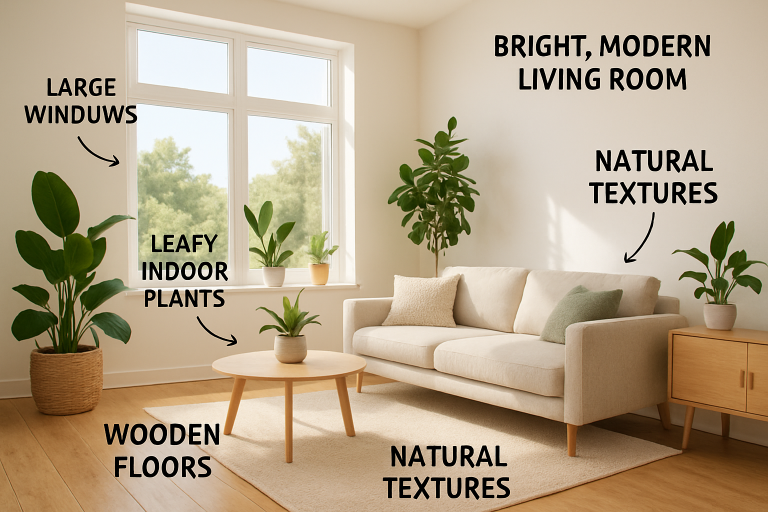
Biophilic design is an approach dedicated to strengthening the connection between people and nature within built environments. By introducing natural forms, materials, and greenery, it encourages us to experience the benefits of the outdoors even while indoors. This design philosophy stems from biologist E.O. Wilson’s idea of “biophilia,” or the inherent human affinity for nature, which has been linked to reduced stress and greater overall happiness. According to GBD Magazine, modern biophilic interiors use this principle to elevate both residential and commercial spaces.
Incorporating elements such as natural light, plant life, and organic textures can transform ordinary rooms into calming, restorative environments. Over time, these thoughtfully designed spaces have been shown to boost productivity, enhance creativity, and improve overall well-being.
Benefits of Biophilic Design
Transforming an interior by using biophilic design yields extensive benefits:
- Enhanced Well-being: Natural elements help reduce stress and improve emotional health.
- Increased Productivity: Studies show that spaces with natural light, greenery, and views of nature foster greater concentration and creativity.
- Improved Air Quality: Indoor plants and water features purify air and bring freshness to every room.
- Energy Efficiency: Thoughtful placement of windows and skylights not only improves mood but also reduces the need for artificial lighting, cutting energy costs.
Incorporating Natural Materials
One of the most accessible ways to introduce biophilic design is through the use of organic and sustainable materials. Wood, stone, bamboo, and clay offer texture and visual interest, as well as a tangible connection to the outdoors. Consider using reclaimed wood for flooring, shelving, or accent walls to lend both warmth and a story to your interiors. Natural stone countertops or clay-based tiles can add elegance and reinforce an eco-friendly ethos. Choosing sustainable or recycled materials not only minimizes environmental footprint but also infuses a sense of authenticity and comfort into modern design schemes.
Integrating Living Plants
Greenery is central to biophilic design, and the options for introducing it are nearly limitless. Vertical gardens, or green walls, provide living artwork that helps filter air and define space in open-plan layouts. Indoor gardens—whether in a dedicated sunroom or along a window sill—create calming, lush focal points in the home or office. According to AARP, there are creative ways to incorporate plants into your decor, from statement planters to hanging arrangements, making it easy to bring nature indoors. Scattering potted plants throughout a space introduces a sense of movement and seasonal change, while also offering scientifically proven wellness benefits. Choose species that suit indoor conditions for low-maintenance, high-impact results.
Maximizing Natural Light
Natural light is a cornerstone of biophilic interiors. By prioritizing large windows, skylights, and unconstrained sightlines, designers can amplify daylight penetration and create cheerful, healthy spaces. Open floor plans, glass doors, and light-colored surfaces help distribute sunlight and reduce the reliance on artificial lighting. Exposure to soft, shifting daylight not only lifts spirits but also supports healthier sleep cycles and body rhythms, making natural light a powerful wellness tool in any modern space.
Creating Indoor Water Features
Water is inherently calming, adding both visual and auditory interest to interiors. Small indoor fountains produce soothing sounds that mask environmental noise and foster relaxation. Water walls, where water flows gently down a vertical plane, can highlight an entryway or lounge area. For those with larger spaces, indoor ponds with aquatic plants or fish introduce biodiversity and an arresting natural element. Integrating water into your space enhances tranquility and encourages mental recovery from daily stressors.
Designing with Natural Shapes and Patterns
Borrowing shapes and motifs from nature can subtly reinforce a connection to the outdoors within interiors. Opt for furniture with sensuous curves, irregular lines, or intricate organic detailing reminiscent of branches or leaves. Textiles can evoke the outdoors, with botanical prints or abstract interpretations of stone and water patterns. Architectural elements such as arches, flowing lines, or textured wall finishes help foster a sense of enclosure and harmony, echoing the variety and unpredictability of the natural world.
Conclusion
More than a fleeting trend, biophilic design reflects a fundamental shift toward environments that respect and nurture the human need for nature. By embracing natural materials, abundant greenery, ample light, water features, and organic forms, homeowners and professionals can craft interiors that look beautiful and function as sanctuaries for body and mind. As awareness of this approach spreads, biophilic principles will remain central to the evolution of modern, health-supportive spaces.

