Home Improvement
Best Practices for Residential Roof Maintenance

Key Takeaways
- Regular Roof Inspections
- Cleaning Gutters and Downspouts
- Ensuring Proper Attic Ventilation and Insulation
- Trimming Overhanging Branches
- Addressing Repairs Promptly
- Scheduling Professional Inspections
- Maintaining Roof-Mounted Equipment
- Preventing Ice Dams
- Conclusion
Proper roof maintenance is crucial for protecting your most valuable investment—your home. By following a few essential maintenance steps, you can avoid the hassle and expense of major roof repairs down the line. Staying proactive helps catch issues early and keeps your property safe from water intrusion, mold, and structural decay. For expert assistance, contact experienced residential roofers who can offer personalized guidance and tailored services to meet your home’s unique needs.
Neglecting your roof doesn’t just lead to repairs—it can compromise your entire home’s structure. Simple tasks, such as cleaning gutters, checking for damaged shingles, or ensuring adequate ventilation, make a substantial difference. Moreover, a well-maintained roof not only enhances curb appeal but also maintains property value, positioning you for long-term peace of mind as a homeowner.
Regular Roof Inspections
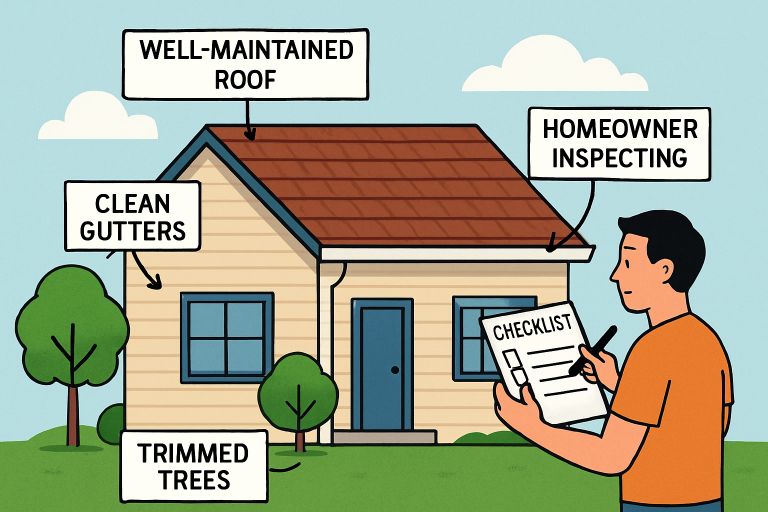
Scheduling inspections twice annually—once in the spring and once in the fall—is one of the most important steps homeowners can take. After heavy rainfall, snow, or windstorms, conduct a quick check for missing, cracked, or curling shingles and scan for granules collecting in gutters, which signal shingle wear. Also, look in your attic for any signs of daylight coming through the roof boards or stains on the rafters and insulation.
Cleaning Gutters and Downspouts
Clogged gutters are a major culprit behind roof leaks and foundation damage. Make it a habit to clear gutters and downspouts of leaves, nests, and other debris at least twice a year—and more often if you have overhanging trees. Gutter guards are worth considering, as they reduce the frequency of cleaning and provide added protection from blockages.
Ensuring Proper Attic Ventilation and Insulation
A balanced attic climate is crucial for avoiding problems such as condensation, mold, and ice dams. Ensure that soffit and ridge vents are open and unblocked, and verify that the insulation matches the recommendations set for your climate zone. A well-ventilated and insulated attic helps keep your home cooler in the summer, reduces energy bills, and prevents costly winter issues. For best practices, see This Old House, a guide on Improving Attic Ventilation.
Proper maintenance not only extends the life of your roof but also improves overall indoor comfort. By investing a little time in attic care, homeowners can safeguard their property from long-term structural damage.
Trimming Overhanging Branches
Low-hanging limbs can abrade shingles, block gutters, and shower your roof with debris that speeds up wear and encourages moss or algae growth. Regularly trim any branches within 10 feet of your roof to reduce these risks. Not only does this minimize potential damage, but it also deters squirrels and other animals from accessing your roof and attic.

Addressing Repairs Promptly
When minor damage is noticed—such as a loose shingle, cracked flashing, or a small leak—it’s crucial to repair it promptly. Delaying repairs can lead to interior water damage, mold growth, and rot that weaken your roof’s structural integrity. Addressing problems early keeps your roof secure and often costs much less than waiting until damage is widespread.
Scheduling Professional Inspections
In addition to regular homeowner checks, consider hiring a licensed roofing contractor every few years for a comprehensive inspection. Professionals are trained to spot subtle signs of wear and can identify ventilation, insulation, or flashing concerns that the untrained eye might miss. Professional inspections can extend the life of your roof and provide valuable documentation for insurance or home sale purposes.
Maintaining Roof-Mounted Equipment
Satellite dishes, antennas, solar panels, and HVAC units must be installed correctly to avoid punctures, leaks, or shifts that can damage roofing material. Regularly inspect the seals and mounting hardware, checking for cracks, rust, or displacement, and promptly repair or reseal as needed.
Preventing Ice Dams
Ice dams occur when heat escapes from an attic, melts snow, and causes it to refreeze at the roof edge, backing water under shingles. To prevent this, ensure your attic remains cold with sufficient insulation and a balanced ventilation system. Watch for signs like icicles forming along eaves, which may suggest existing insulation or ventilation issues.
Conclusion
Vigilant roof care is an investment in the longevity, efficiency, and safety of your home. Prioritizing steps such as regular inspections, debris management, maintaining attic conditions, and promptly addressing repairs will help you avoid emergency fixes and keep your property protected year-round.

