HEALTH
Benefits of Bioavailable Minerals for Wellness

Understanding Bioavailability in Minerals
For the human body to fully benefit from minerals, it needs to absorb and utilize them efficiently. Bioavailability measures how much of a nutrient the body can absorb and use. This is particularly important for essential minerals, which are fundamental to processes such as bone growth, nerve signaling, and maintaining healthy muscle function.
Many people consume the right minerals but are unaware that not all forms are equally effective. Bioavailable minerals are readily absorbed during digestion, leading to better health outcomes. Exploring different sources, such as chelated minerals or products from advanced nutrient technology companies like MitoSynergy, can help bridge nutritional gaps.
Poor mineral absorption may result in deficiencies, even when they are present in the diet. Knowing how to optimize what you consume is key to maximum benefit. Choosing mineral sources wisely ensures the body receives minerals in forms it can actually use.
Bioavailability can be influenced by factors such as age, gut health, genetics, and the presence of other dietary components. For deeper insights, organizations like the Mayo Clinic provide extensive resources about the importance of mineral intake for overall health.

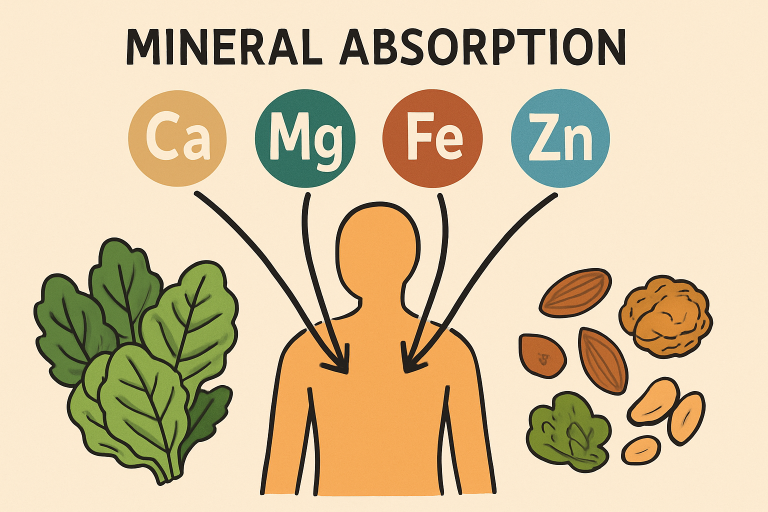
Key Bioavailable Minerals and Their Roles
- Calcium: Integral for skeletal strength and dental health. It also plays a role in blood clotting and helps muscles contract properly.
- Magnesium: Acts as a cofactor in over 300 enzymatic reactions. It is crucial for muscle relaxation, nerve function, and energy production.
- Iron: Forms the backbone of hemoglobin, the molecule responsible for transporting oxygen through the bloodstream. Without enough iron, energy levels can plummet, and immunity may decline.
- Zinc: Vital for immune response, cellular repair, and DNA production. Zinc deficiency can impair healing and increase susceptibility to infections.
Each of these minerals must be present in bioavailable forms to deliver their full health benefits. For example, plant-based and certain synthetic forms of minerals may have lower absorption rates compared to their chelated or food-based counterparts.
Enhancing Mineral Absorption
To make the most of the minerals in your diet, it is important to use strategies that promote efficient absorption:
- Pairing with Vitamin C: Adding vitamin C-rich foods like citrus fruits or bell peppers to iron-rich plant foods can significantly boost iron absorption.
- Choosing Chelated Minerals: Chelated minerals are bound to amino acids, making them easier for the body to digest and utilize. Research shows that these forms often lead to fewer digestive upset symptoms and more effective nutrient delivery for those with absorption issues.
- Limiting Anti-Nutrients: Components such as phytates, oxalates, and tannins in certain whole foods can impede mineral absorption. Methods like soaking, sprouting, or fermenting beans and grains help minimize this issue and improve nutrient availability.
Plant-Based Diets and Mineral Intake
Following a plant-based diet can be extremely nutritious, but it often poses unique challenges for mineral absorption. Many plant foods contain inhibitors that can decrease the body’s ability to access and use minerals like iron, calcium, and zinc. To counter this, individuals may want to incorporate fortified foods, supplements, or carefully prepared whole foods to enhance the value of every meal.
Whole food plant-based eaters should focus on dietary diversity and mindful preparation techniques. Fermenting, sprouting, and pairing foods can greatly increase the intake of bioavailable minerals without reliance on animal products. Consulting a registered dietitian can help personalize strategies for meeting daily mineral needs.
Supplementing with Bioavailable Minerals
Supplements offer an effective solution for those who cannot consistently obtain enough minerals from food. The best supplements use highly bioavailable forms such as chelated minerals, which the body can absorb with minimal waste. Look for certification or third-party testing to ensure product quality, and always choose supplements that match individual health goals and dietary restrictions.
If you have concerns about your mineral intake or suspect a deficiency, consult a healthcare provider before beginning any new supplement regimen. They can recommend tailored lab testing to identify specific needs and guide you toward the most suitable products.
Final Thoughts
Bioavailable minerals are an essential cornerstone of wellness. By understanding how the body absorbs and uses different forms of minerals, individuals can make informed choices to support long-term health. Adopting strategies to enhance nutrient uptake and seeking high-quality resources help optimize mineral nutrition and prevent deficiency-related health issues. Whether you follow a traditional or plant-based diet, prioritize highly absorbable mineral sources to achieve the greatest wellness benefits.

