HEALTH
Is Home Pilates Workout Enough for Muscle Development?

Many people assume Pilates is just stretching or a light workout reserved for rehabilitation — but is that really true? And more importantly, can a home Pilates workout actually build the muscle definition you’re after? These are questions worth asking before you commit to a routine that may or may not align with your fitness goals.
This article is designed for beginners who want accessible, honest guidance on what Pilates can and cannot do for muscle development. We’ll break down the science behind building muscle, examine how at-home Pilates workouts contribute to strength and tone, and honestly address where they fall short. More importantly, we’ll offer practical solutions — from integrating weight training into your routine to choosing the right home gym equipment and even working with a personal trainer. Whether you’re just starting out or looking to get more from your current routine, this guide gives you the full picture so you can train smarter, not harder.
Understanding Muscle Development and the Basics of Pilates
Muscle development, or hypertrophy, occurs when muscle fibers sustain enough stress to trigger repair and growth. The key principle driving this process is progressive overload — gradually increasing the demand placed on your muscles over time, whether through heavier resistance, more repetitions, or reduced rest periods. Without that escalating challenge, muscles adapt quickly and growth plateaus.
Pilates operates on a different but complementary philosophy. Developed by Joseph Pilates in the early 20th century, it emphasizes core stability, controlled movement patterns, and a deliberate mind-muscle connection. Every exercise is performed with intention — engaging specific muscles through their full range of motion while maintaining postural alignment. This approach builds functional strength, improves flexibility, and enhances body awareness in ways that traditional gym workouts often overlook.
What Pilates does particularly well is tone and stabilize muscles, especially the deep postural muscles of the core, hips, and shoulders that conventional training tends to neglect. However, it primarily uses bodyweight resistance, which means the load is relatively fixed. For beginners, this is actually an advantage — it builds a solid muscular foundation without overwhelming the body. Understanding this distinction from the start helps you set realistic expectations and make smarter decisions about how to structure your overall fitness routine.
The Role of At-Home Pilates Workouts in Building Muscle
One of the most underrated advantages of an at-home Pilates workout is how easily it fits into daily life. Without a commute to the gym, you’re far more likely to stay consistent — and consistency is arguably the most important variable in any muscle-building program. Even a 30-minute session done four times a week will outperform an ambitious gym plan you abandon after two weeks.

At home, Pilates targets major muscle groups more effectively than most people expect. Exercises like the single-leg stretch, bridge, and plank variations challenge the glutes, hamstrings, core, and shoulders using nothing but your bodyweight. Add a resistance band and you immediately increase the load on exercises like clamshells, lateral leg lifts, and seated rows — enough to meaningfully stimulate muscle adaptation in beginners.
Progression is the key to getting more from your routine. Start with foundational movements and focus on perfecting form, then gradually increase difficulty by slowing down the tempo, reducing rest time, or adding isometric holds at peak tension. For example, holding a bridge position for five seconds at the top recruits more muscle fibers than a quick repetition. These small adjustments keep your muscles challenged without requiring any additional equipment, making home Pilates a genuinely effective starting point for building functional strength and visible muscle tone.
Limitations of Home Pilates for Significant Muscle Development
Pilates delivers real results, but honesty matters here: if your goal is significant muscle hypertrophy — the kind that produces noticeable size and substantial strength gains — bodyweight-only Pilates will eventually hit a ceiling. The core issue is mechanical tension. Building larger muscles requires progressively heavier external loads that challenge your fibers beyond what bodyweight alone can consistently provide. Once your body adapts to supporting its own weight through a given movement, the stimulus for further growth diminishes sharply.
Traditional strength training addresses this directly. Barbell squats, dumbbell presses, and cable rows allow you to add resistance in precise increments, keeping muscles in a constant state of adaptation. This kind of controlled, measurable overload is difficult to replicate through Pilates modifications alone. Slowing tempo and adding isometric holds help, but they have limits — particularly for larger muscle groups like the quads, chest, and upper back, which respond best to heavier compound loading.
This doesn’t mean Pilates has failed you. It means you’ve outgrown one tool and need to add another. Think of Pilates as building the foundation — joint stability, movement quality, and core strength — while weight training constructs the structure on top. Recognizing this distinction early prevents frustration and sets the stage for a smarter, more complete approach to muscle development at home.
Enhancing Muscle Development with Weight Training
Adding weight training to your Pilates practice is the most direct way to break through the bodyweight plateau and drive meaningful muscle development. Where Pilates builds movement quality and core stability, weight training supplies the progressive mechanical tension that triggers hypertrophy in larger muscle groups. Together, they form a genuinely well-rounded program — one that develops both functional strength and visible muscle definition.
The good news for beginners is that you don’t need a full gym setup to get started. A pair of adjustable dumbbells opens up a wide range of compound movements that complement your existing Pilates foundation. Squats, Romanian deadlifts, dumbbell rows, and overhead presses are all exercises you can perform safely at home with minimal space. Because Pilates has already trained your body to move with control and maintain spinal alignment, you’ll approach these lifts with better form than most beginners — which reduces injury risk and accelerates results.
Practical Weight Training Exercises for Beginners
Start with three weight training sessions per week, alternating with your Pilates days to allow adequate recovery. Focus on these foundational movements: goblet squats for the quads and glutes, dumbbell Romanian deadlifts for the hamstrings and lower back, bent-over rows for the upper back, and dumbbell chest presses for the chest and triceps. Begin with a weight that allows 10 to 12 clean repetitions — the last two should feel genuinely challenging. Prioritize form above all else: keep your spine neutral, brace your core on every lift, and move through a full range of motion. Increase the weight only when you can complete all sets with proper technique. This methodical approach ensures steady muscle development while protecting joints that are still adapting to external load.
How a Personal Trainer Can Optimize Your Home Workouts
Even the most well-designed routine can stall without proper feedback. A personal trainer brings an outside perspective that’s difficult to replicate through trial and error alone — identifying form breakdowns, adjusting progression, and keeping you accountable when motivation dips. For beginners especially, this guidance can mean the difference between steady progress and a frustrating plateau or, worse, an avoidable injury.
The good news is that working with a trainer no longer requires a gym membership or a large budget. Virtual personal training has made professional coaching genuinely accessible. Platforms like Trainerize, Future, and even Instagram-based coaches offer personalized programming, video form checks, and weekly check-ins at a fraction of traditional in-person rates. Many certified trainers also offer one-time program design sessions — a cost-effective way to get a customized Pilates and weight training plan built around your specific goals and available equipment. If budget is a concern, structured online programs from credentialed instructors on platforms like YouTube or specialized fitness apps provide structured progression that mirrors what a trainer would prescribe. Whatever format you choose, having an expert shape your programming removes guesswork and accelerates results in a way that self-guided routines rarely match.
Essential Home Gym Equipment for a Comprehensive Routine
Building a home gym doesn’t require a significant financial investment or a dedicated room. A few well-chosen pieces of equipment can bridge the gap between Pilates and weight training, giving you everything needed for a comprehensive muscle-building routine. The goal is versatility — tools that support both controlled Pilates movements and the progressive resistance demands of strength training.
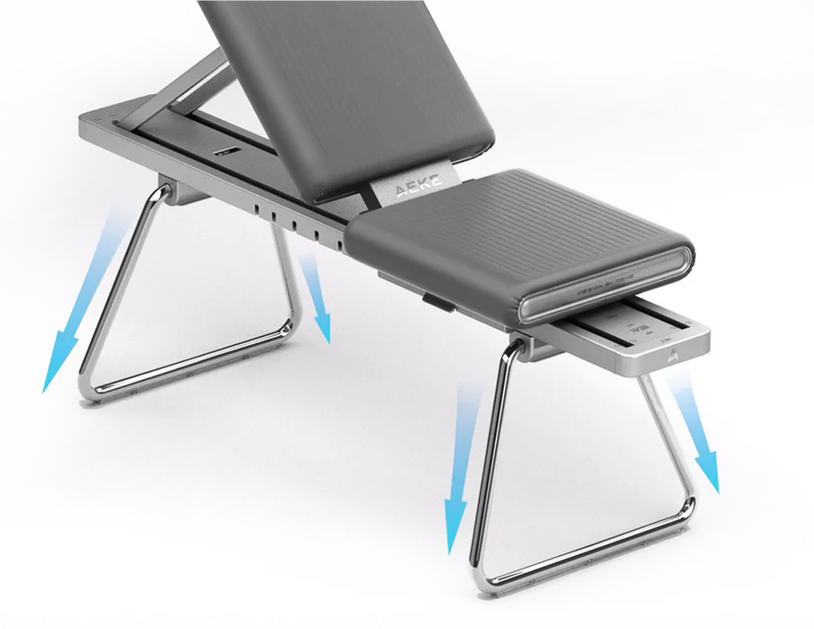
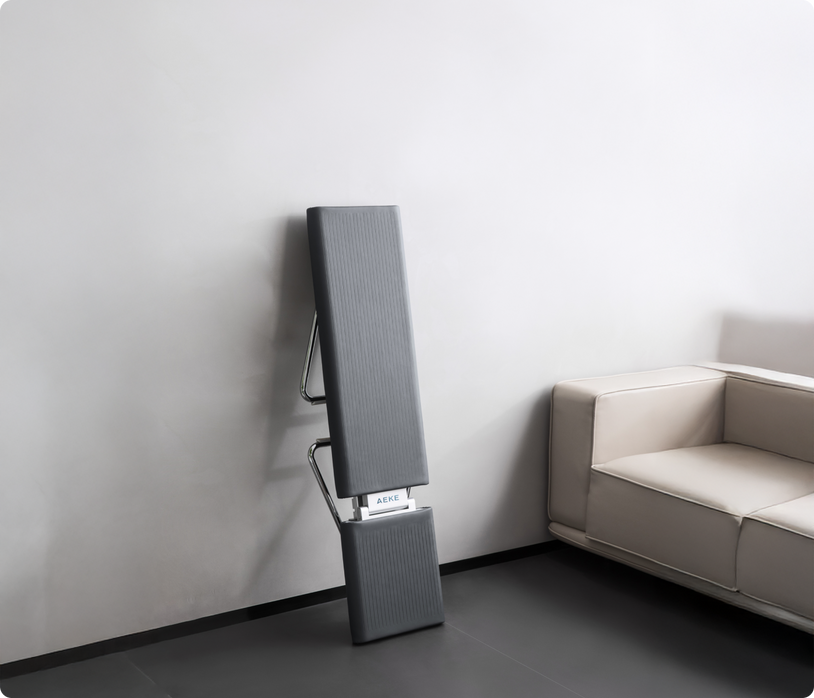
Resistance bands are the single most valuable starting purchase. Available in multiple tension levels, they add load to Pilates staples like clamshells and glute bridges while doubling as assistance tools for bodyweight exercises. A set of adjustable dumbbells is the next priority — they replace an entire rack of fixed weights and accommodate everything from light isolation work to heavier compound lifts. Brands like AEKE offer adjustable dumbbell systems designed specifically for home use, making it straightforward to scale resistance as your strength progresses. A quality exercise mat provides the cushioning and grip essential for floor-based Pilates movements, protecting your spine and joints during extended sessions. For those ready to expand further, a stability ball challenges core engagement during exercises like hamstring curls and incline push-ups, adding meaningful variety without taking up permanent space.
Budget-Friendly Equipment Options for Beginners
Starting lean is completely practical. A single looped resistance band and a pair of fixed dumbbells in the 8 to 15 pound range cost under fifty dollars combined and cover the majority of beginner exercises. Retailers like Amazon, Target, and sporting goods stores like Dick’s frequently run sales on starter fitness bundles. Secondhand platforms like Facebook Marketplace and OfferUp are excellent sources for lightly used dumbbells and mats at a fraction of retail price. Prioritize a non-slip mat first, add a resistance band set second, and introduce dumbbells once your routine is established — this staged approach spreads cost and ensures each piece gets genuinely used before you invest further.
Building a Smarter, More Complete Home Fitness Routine
Home Pilates is a genuinely effective tool for building functional strength, improving muscle tone, and developing the movement quality that supports long-term fitness. For beginners, it’s an excellent starting point — accessible, low-impact, and sustainable. But if significant muscle hypertrophy is your goal, Pilates alone will eventually reach its limits. The solution isn’t to abandon it; it’s to build on it.
The most practical path forward combines the best of both worlds: use Pilates to develop core stability and body awareness, then layer in dumbbell-based weight training to supply the progressive resistance your muscles need to grow. A few well-chosen pieces of home gym equipment — resistance bands, adjustable dumbbells, and a quality mat — make this entirely achievable without a gym membership. When you’re ready to accelerate results, a personal trainer, whether virtual or in-person, can tailor your programming and keep your progress on track.
Above all, consistency beats perfection. Assess your goals honestly, choose a routine you can realistically maintain, and make incremental adjustments as your strength improves. Small, steady progress compounds into real, lasting results — and that’s true whether you’re doing Pilates, lifting weights, or both.