
HEALTH
How Nutrition Affects Long-Term Weight Management


Achieving and maintaining a healthy weight is a long-term journey, not a quick fix. While exercise and lifestyle factors play a part, nutrition consistently forms the bedrock of sustainable weight control. Making informed choices about what you eat can empower you to achieve better health outcomes and lasting results. For those looking for specialized guidance, Garcia Weight Loss offers individualized programs that combine expert support with evidence-based nutrition advice to help you succeed.
Understanding exactly how dietary habits drive weight gain or loss is vital. Nutritional science sheds light on the roles of macro- and micronutrients, the importance of food quality, and how personalizing your approach can help you avoid weight regain. By focusing on these factors, you can build a foundation for lifelong well-being and effective weight maintenance.
The Importance of a Balanced Diet
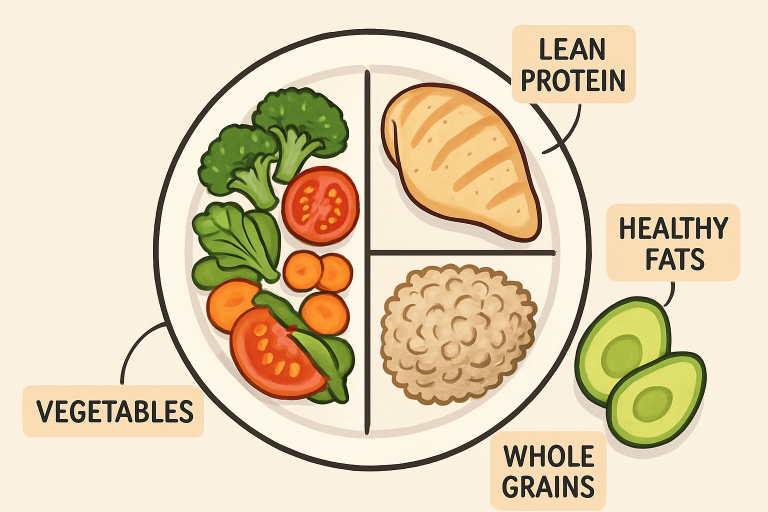
Eating a balanced diet is the cornerstone of effective weight management. Such a diet includes a variety of fruits, vegetables, lean proteins, whole grains, and healthy fats, supplying the essential vitamins and minerals your body needs. A well-rounded diet also supports energy levels and satiety, helping you avoid overconsumption and reduce the risk of chronic health conditions.
Choosing nutrient-dense foods over calorie-dense or highly processed options is critical for managing hunger and caloric intake. Diets full of processed foods are linked to weight gain, while whole foods can help you feel fuller and promote steady energy.
The Role of Macronutrients
Macronutrients—carbohydrates, proteins, and fats—form the basis of your daily nutrition and affect how your body burns calories and stores fat. Each macronutrient plays a unique role:
- Proteins: Crucial for muscle repair and growth; they also enhance satiety, which can reduce total food intake. High-protein diets have been linked to better maintenance of weight loss, as protein can help prevent the rebound effect that often occurs after dieting. Harvard Health
- Carbohydrates: Essential for quick energy, but quality matters. Whole grains, fruits, and vegetables are preferable to refined sugars and starches, which can cause blood sugar spikes that lead to hunger and overeating.
- Fats: Necessary for the absorption of fat-soluble vitamins and hormone production. Focus on healthy fats like those found in avocados, nuts, and olive oil to support health without excess calorie intake.
Impact of Diet Quality on Weight Maintenance
The quality of your diet beyond calorie counting plays a significant role in long-term weight stability. Research consistently shows that diets high in whole, minimally processed foods are associated with slower weight gain and healthier outcomes, compared with those high in excess sugar and saturated fats. A study published in JAMA Network Open found that low-carbohydrate diets emphasizing healthy, plant-based sources were associated with slower long-term weight gain.
Consistency in Eating Habits
The consistency of your eating habits is just as important as the quality of the food you eat. Patterns that swing between healthy and indulgent eating, such as strict dieting during the week and splurging on weekends, can undermine your efforts and make weight maintenance more difficult. Studies indicate that people who remain consistent with their eating patterns throughout the week are more successful at maintaining a stable weight over time.
Personalized Nutrition Plans
One-size-fits-all diets rarely work for everyone. Genetic makeup, metabolism, health status, and personal food preferences make individualized nutrition planning essential. Advances in digital tools now enable people to receive customized meal plans that address allergies, medical conditions, cultural preferences, and activity levels—all aspects vital for sticking with a healthy program over the long term. Personalization can also foster more enjoyment and satisfaction in your meals, making dietary changes less of a chore and more of a lifestyle upgrade.
Combining Nutrition with Physical Activity
Healthy weight management is most sustainable when nutrition and physical activity work together. Regular exercise enhances weight loss and helps prevent muscle loss during caloric restriction. Programs like “Eat Smart, Move More, Weigh Less” demonstrate the amplified results from pairing balanced nutrition with consistent movement, underlining the importance of a holistic strategy.
Monitoring and Adjusting Dietary Habits
Long-term success often comes down to ongoing self-monitoring and flexibility. Tracking your food intake, weight, and other health markers helps you spot trends and make timely adjustments. The National Weight Control Registry, which tracks people who have lost significant weight and kept it off for years, highlights the importance of regular monitoring and proactive changes as key contributors to long-term maintenance. This practice allows you to refine your approach as your body’s needs and your lifestyle evolve.
Conclusion
Nutrition is a foundational component of long-term weight management, supporting not only weight control but also overall health and quality of life. Emphasizing balanced, high-quality foods, maintaining consistency, personalizing your strategy, moving regularly, and monitoring progress all strengthen your ability to achieve and maintain a healthy weight. Incorporating these evidence-backed practice can set you on the path to lasting well-being and vitality.