
HEALTH
How Family Therapy Strengthens Relationships


Strong family relationships don’t always come naturally—many families need support to overcome conflicts and break down barriers to healthy communication. Family therapy provides a structured environment where every member can be heard and helps resolve issues that affect the entire household. For families in need of professional support, Family Therapy Services Ottawa offers tailored solutions to address a wide range of challenges, from communication issues to more profound emotional struggles.
With the guidance of an experienced therapist, families can rebuild trust and create a safe space to share thoughts and emotions. By addressing not only immediate conflicts but also patterns that may have developed over years, therapy sessions help families break unhealthy cycles and promote harmony. This process can lead to stronger, more resilient bonds among parents, children, and extended family members. When families commit to therapy, they take the first steps towards improved understanding and collective well-being.
Understanding Family Therapy
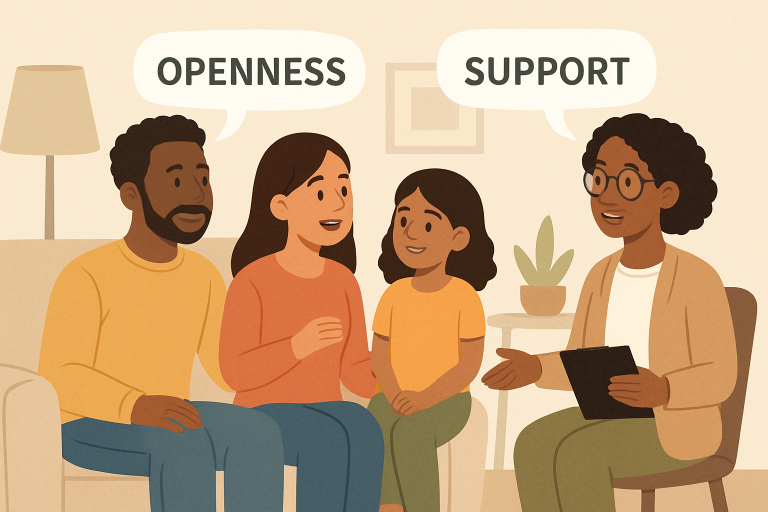
Family therapy, a branch of psychotherapy, examines the family as a unified unit—working together with the guidance of a licensed therapist to resolve interpersonal issues. Sessions may include immediate family members, such as parents and children, or extended relatives, depending on the specific challenges at hand. The therapist guides open conversations, helping each participant articulate their feelings and needs constructively. Through this collaborative environment, families learn to identify unhealthy dynamics and develop healthier ways of relating to one another.
Therapy isn’t just for families in crisis. Even high-functioning families can benefit from a neutral third party helping them build resilience, enhance communication, and develop proactive strategies for future challenges. According to the American Psychological Association, family therapy is especially useful in situations involving major transitions, trauma, or ongoing conflict, as it provides concrete skills for navigating difficulties together.
Key Benefits of Family Therapy
Improved Communication
One of the most immediate benefits of family therapy is the improvement in communication. The therapy sessions provide a safe space for members to speak candidly and listen actively without judgment or interruption. Enhanced communication skills strengthen mutual understanding and prevent minor issues from escalating into significant disagreements.
Conflict Resolution
Family therapists equip members with strategies to address disputes respectfully and productively. Instead of reverting to blame or avoidance, families learn tools to collaboratively navigate disagreements, creating an environment where resolution is the goal rather than simply winning an argument.
Strengthened Bonds and Emotional Support
By addressing unresolved issues and deep-seated resentments, family therapy helps restore trust and reshape relationships. Healthy families buffer stress more effectively and provide each member with reliable emotional support. This stronger sense of unity can buffer against the impact of external pressures, whether related to school, work, or broader societal changes.
Common Approaches in Family Therapy
Structural Family Therapy
This approach reorganizes the framework of family relationships, identifying problematic hierarchies or blurred boundaries that may breed conflict or confusion. A therapist helps families create a clear structure, clarifying roles and responsibilities to restore balance and stability within the household—more on Structural Family Therapy at Psychology Today.
Integrative Behavioral Couples Therapy (IBCT)
IBCT focuses on the unique needs of couples, integrating acceptance strategies alongside traditional change techniques. Through guided discussions and exercises, couples learn to understand each other’s perspectives and work together on meaningful, lasting change. Even outside couple relationships, this blend of understanding and action can enrich other family dynamics.
Real-Life Impact of Family Therapy
The positive outcomes of family therapy are well-documented. Research published in major medical journals highlights that adolescents who share close relationships with their fathers or parental figures experience fewer mental health struggles and exhibit stronger social skills than their peers. Effective parenting and engaged family interaction have a direct influence on children’s academic, emotional, and physical well-being.
Adults who participate in family therapy often report stronger relationships, not only within the family unit but in their personal and professional lives. The tools and strategies developed through therapy ripple outwards, helping members handle stress and nurture healthier relationships outside the home.
How to Get Started with Family Therapy
- Identify the Need: Recognizing that your family could benefit from therapy is a vital first step. Whether you’re dealing with communication breakdowns, behavioral issues in children, or struggling after a significant life event, being honest about the need for support sets the stage for positive change.
- Research Therapists: Seek out licensed professionals experienced in family dynamics similar to your own. Reading reviews and scheduling initial consultations can help you find a therapist with the right expertise and approach.
- Schedule a Consultation: Once you have identified a potential therapist, an initial session allows your family to discuss your goals and expectations. This is also the time to assess the therapist’s style and ensure everyone feels comfortable.
- Commit to the Process: Progress takes time and consistent effort. Committing as a family to regular sessions and practicing new skills at home is key to achieving lasting breakthroughs.
Conclusion
Family therapy offers far more than conflict resolution; it creates pathways to lasting understanding, trust, and resilience. By addressing patterns and fostering better communication, families can overcome obstacles with a more profound sense of unity and purpose. Investing time and effort in professional guidance now can yield a supportive and empathetic family environment for all members—today and into the future.