
NEWS
Comprehensive Guide to Concrete Mixes and Their Applications

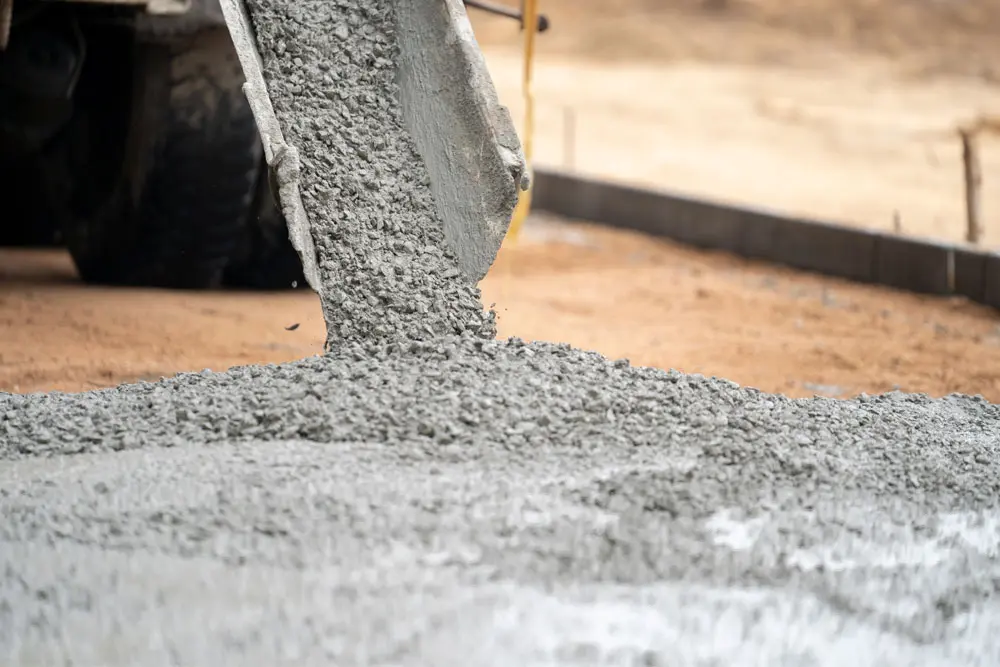
Choosing the right type of concrete mix is essential for ensuring strong, long-lasting, and cost-effective construction results. Concrete is one of the foundational materials in construction, making the selection of the correct mix critical for the success and longevity of any project. By understanding the distinct properties and ideal use cases of various concrete mixtures, builders, homeowners, and industry professionals are empowered to make informed decisions for all building efforts—from small residential patios to mammoth high-rise buildings and public infrastructure. The wrong mix can lead to premature deterioration, structural problems, or unnecessary expenses. Therefore, when planning your next project, working with experienced commercial concrete contractors not only streamlines the construction process but also guarantees a high-quality outcome tailored to your specific needs, which can prevent costly repairs and enhance safety in the long run.
Standard Concrete Mix
Standard concrete, frequently referred to as normal-strength concrete, is a traditional blend combining cement, sand, and aggregate in established proportions. This classic blend is among the most widely used in construction due to its reliability and affordability. It finds application in a range of standard construction scenarios, including:
- House foundations, where stability and uniformity are critical
- Sidewalks and footpaths, providing a level walking surface for pedestrians
- Driveways, supporting regular vehicle loads and outdoor wear
- Patios and porches, offering both functionality and aesthetic value
Standard mix demands an optimal balance between strength and workability, making it a dependable choice for general projects that don’t need high-performance concrete or specialized properties. Builders often choose it due to its predictable curing time and ease of handling, allowing for efficient progress on site.
High-Strength Concrete
Projects requiring exceptional structural integrity or support under heavy loads rely on high-strength concrete, which is engineered for compressive strengths above 6,000 psi (pounds per square inch). This mix is formulated with high-quality cement, reduced water-cement ratios, and often supplementary materials like fly ash or silica fume to achieve its impressive strength. Its primary applications include:
- High-rise buildings and skyscrapers, where reduced column size can increase usable space
- Bridges and structural supports need to withstand significant stresses
- Heavy-duty industrial flooring that must bear intense mechanical loads and traffic
High-strength concrete allows structures to handle greater stresses with less material, making it a preferred choice in commercial, civil, and infrastructure projects that demand both durability and efficiency. Ensuring uniform mixing and deploying strict quality control processes are vital for achieving the expected performance since even minor deviations can compromise safety.
Lightweight Concrete
Lightweight concrete is formulated using special aggregates such as expanded clay, pumice, or shale, resulting in a significantly lower density than standard concrete. This drop in weight translates into several practical benefits, making lightweight concrete particularly valuable for:
- Non-load-bearing walls and partitions where structural demands are moderate
- Roofing systems and floors, especially in multi-story buildings, where minimizing overall weight is crucial
- Insulating concrete forms and layers that contribute to a building’s thermal and acoustic properties
The reduced mass of lightweight concrete simplifies the handling, transport, and installation process and lessens the overall load on building foundations and structural frameworks. This is essential in renovation or retrofitting projects, where existing support elements might have limited capacity. Additionally, its insulation properties help improve the energy efficiency of buildings, further increasing its appeal for green building projects and innovative architectural designs.
Self-Consolidating Concrete (SCC)
Self-consolidating concrete (SCC) is renowned for its highly fluid, flowable consistency, enabling it to spread and fill complex forms or molds effortlessly—often without mechanical vibration. This makes SCC indispensable in settings such as:
- Complex or intricate formwork where conventional compaction is impractical
- Structures with densely packed rebar (reinforcing steel) that make it hard to use vibrators
- Decorative and architectural applications demanding smooth, uniform surfaces free of gaps and honeycombing
By reducing the labor required for placement and compaction, SCC accelerates the construction process and produces superior finishes with fewer surface defects or blemishes. It’s the preferred mix in high-precision or aesthetic applications like exposed concrete walls, sensitive infrastructure, or where access for traditional equipment is limited.
Fiber-Reinforced Concrete
Fiber-reinforced concrete incorporates assorted fibers—ranging from steel and synthetic to glass or even natural materials—uniformly throughout the mixture. This enhancement significantly boosts its durability and resistance to cracking and impact. It is an essential choice for:
- Heavy-duty and industrial floors that are subject to frequent or heavy loading
- Pavements, roadways, and airport runways that require improved fatigue resistance against repetitive stresses
- Bridge decks and other critical infrastructure where durability and resilience matter most
The presence of fibers within the concrete matrix helps control crack initiation and growth, greatly improving the performance of new and repaired structures in environments with high dynamic or impact loading. Fiber-reinforced options are specifically tailored to applications where traditional reinforcement may fall short.
Rapid-Set Concrete
When timelines are tight and downtime must be minimized, rapid-set concrete proves invaluable. Engineered to harden and develop significant strength in a fraction of the time required by standard mixes, it is best suited for:
- Emergency road and pavement repairs, where reopening to traffic quickly is critical
- Critical infrastructure restoration that can’t afford extended closures
- Small-scale but urgent structural fixes, such as in commercial or industrial settings
Rapid-set concrete dramatically reduces project downtime and ensures quicker return to service for essential infrastructure and facilities, limiting user disruption and reducing total costs associated with closures or repairs.
Choosing the Right Mix
The optimal concrete mix is determined by several key factors—including the specific application, required load-bearing capacity, speed of construction, and prevailing environmental conditions. The wrong mix can cause performance failures or exceed budget constraints. Partnering with seasoned concrete specialists or contractors ensures you receive expert guidance, careful assessment of site requirements, and precision mix design tailored to maximize your project’s performance and cost efficiency, regardless of scale or complexity.