NEWS
The Complete Guide to Birth Chart Astrology: Unlocking the Secrets of Your Cosmic Blueprint

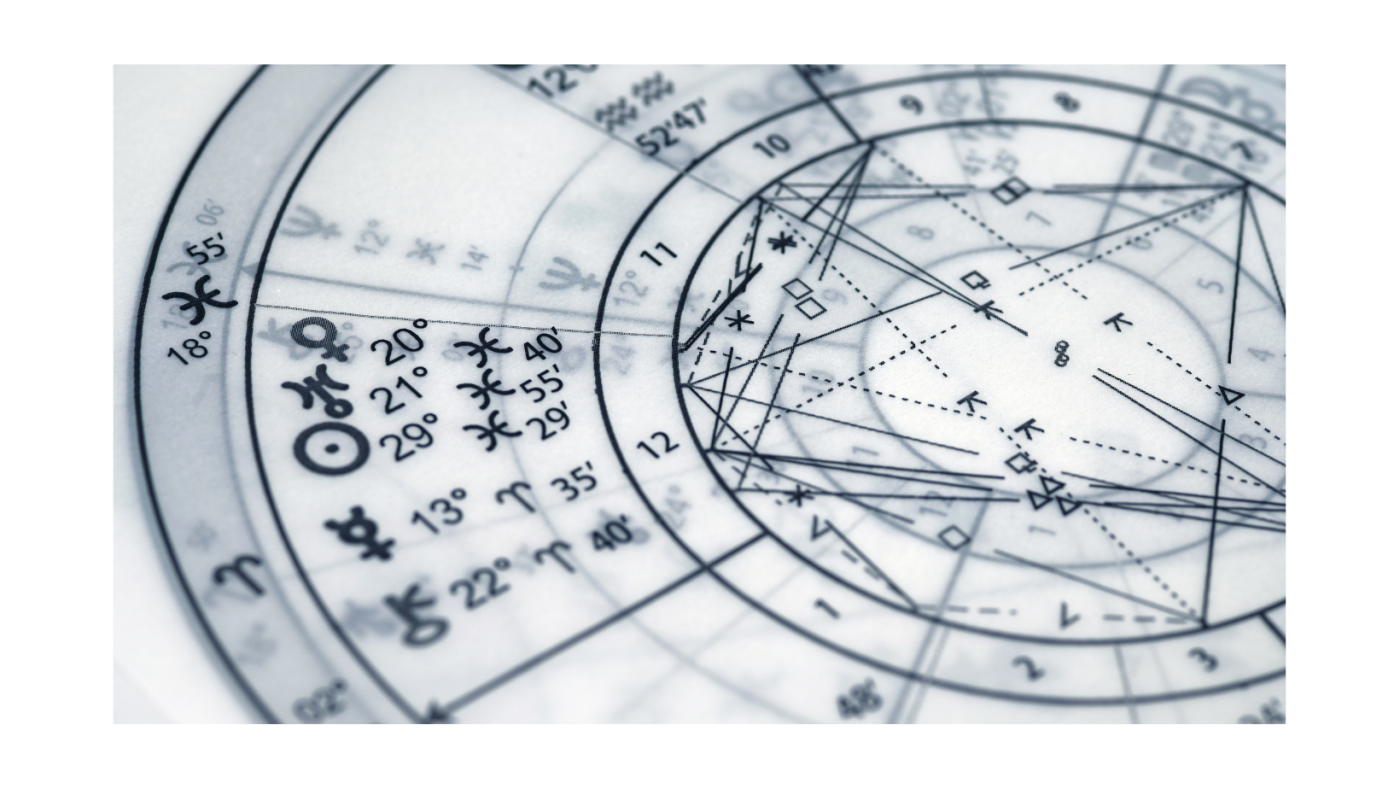
Astrology has fascinated humanity for centuries, offering profound insights into personality, relationships, and life purpose. At the heart of this ancient practice lies the birth chart, also known as the natal chart — a cosmic map that captures the exact positions of the planets at the moment of your birth. In this comprehensive guide, we will explore the depth and detail of birth chart astrology, helping you decode your unique astrological DNA. For anyone new to birth chart astrology, this guide breaks down every symbol and placement in detail.
What is a Birth Chart?
A birth chart is a personalized diagram that shows where the Sun, Moon, and planets were located at your exact time and place of birth. This celestial snapshot is divided into 12 astrological houses, each representing a different area of life. The interplay between the zodiac signs, planets, and houses creates a rich, multi-layered picture of your personality, strengths, challenges, and life path.
The Key Components of a Birth Chart
Understanding your natal chart begins with knowing its essential elements:
1. The Planets: Cosmic Influencers
Each planet in astrology governs a specific energy or domain of life:
- Sun – Core self, vitality, and life purpose
- Moon – Emotions, instincts, and subconscious mind
- Mercury – Communication, intellect, and thought processes
- Venus – Love, beauty, and relationships
- Mars – Drive, ambition, and passion
- Jupiter – Expansion, luck, and philosophy
- Saturn – Discipline, responsibility, and life lessons
- Uranus – Innovation, rebellion, and sudden changes
- Neptune – Dreams, spirituality, and illusions
- Pluto – Transformation, power, and rebirth
2. The Zodiac Signs: Energetic Filters
The zodiac signs shape how the planetary energies are expressed. For example, a Sun in Aries will express vitality through courage and action, while a Sun in Pisces channels creativity and intuition.
3. The Houses: Life Arenas
The 12 houses represent different spheres of life:
- First House – Self-image and beginnings
- Second House – Values and finances
- Third House – Communication and learning
- Fourth House – Home and family
- Fifth House – Creativity and romance
- Sixth House – Health and daily routines
- Seventh House – Partnerships and marriage
- Eighth House – Transformation and shared resources
- Ninth House – Higher learning and travel
- Tenth House – Career and public image
- Eleventh House – Friendships and community
- Twelfth House – Spirituality and hidden matters
4. Aspects: Planetary Relationships
Aspects are the angles between planets that influence how their energies interact. Common aspects include:
- Conjunction – Planets blend energies
- Square – Tension and challenges
- Trine – Harmony and flow
- Opposition – Balance and awareness
How to Read Your Birth Chart
To interpret your birth chart, you need three key pieces of information:
- Exact birth date
- Exact birth time
- Birthplace
Once you have your chart, follow these steps:
- Identify your Sun, Moon, and Rising signs — the three pillars of your personality.
- Examine the planetary placements in signs and houses.
- Analyze aspects to see how planetary energies interact.
- Look for patterns or dominant elements (fire, earth, air, water).
The Big Three in Astrology
Sun Sign – Your essence, willpower, and purpose.
Moon Sign – Your emotional landscape and inner world.
Rising Sign (Ascendant) – How others perceive you and your approach to life.
Why Birth Chart Astrology Matters
Birth chart astrology provides insights that can help with:
- Self-awareness – Understanding your strengths and weaknesses
- Relationships – Recognizing compatibility and conflict patterns
- Career direction – Identifying work aligned with your natural talents
- Life challenges – Navigating obstacles with greater clarity
- Spiritual growth – Connecting with your deeper purpose
Advanced Birth Chart Techniques
Beyond the basics, astrologers use advanced tools to refine interpretations:
- Transits – Current planetary movements affecting your chart
- Progressions – Symbolic unfolding of your natal chart over time
- Solar Return Charts – Insights for your personal year ahead
- Synastry – Comparing charts for relationship insights
- Composite Charts – Creating a chart for the relationship itself
Common Misconceptions About Birth Charts
- It’s just your Sun sign – False. The full chart is far more complex.
- Astrology predicts exact events – It reveals potentials, not certainties.
- You can change nothing – Awareness empowers conscious choices.
Steps to Create and Analyze Your Birth Chart Online
- Visit a reputable astrology website like Astro.com or Cafe Astrology.
- Input your birth data accurately.
- Review the chart’s layout — planets, signs, houses, and aspects.
- Cross-reference with astrology books or a professional astrologer’s insights.
Using Birth Chart Astrology for Personal Growth
When we use our natal chart as a tool for reflection, we can:
- Recognize repeating patterns in life.
- Make informed decisions about relationships and career.
- Develop emotional intelligence through Moon sign awareness.
- Harness planetary strengths while managing challenges.
Final Thoughts on Birth Chart Astrology
A birth chart is far more than an astrological curiosity — it is a mirror reflecting your soul’s journey. By exploring the depths of your natal chart, you gain a richer understanding of who you are, why you behave as you do, and how to align more closely with your highest potential.
If you embrace astrology as a tool for self-discovery and empowerment, your birth chart becomes a lifelong guide, offering wisdom and clarity at every stage of your journey.