
Tech
Why Waste Oil Recycling Is Becoming a Profitable Business

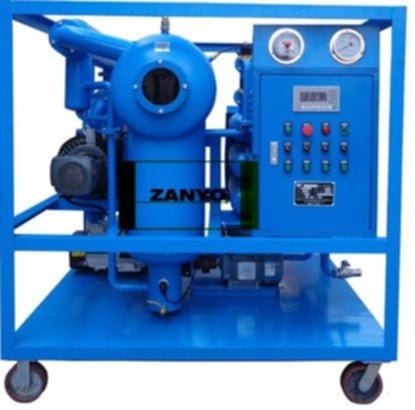
Waste oil recycling is becoming one of the most practical business opportunities in the industrial sector. Many factories, workshops, and transportation companies generate waste oil every day, and they all require a safe and legal way to dispose of it.
This constant demand creates a strong foundation for a profitable business. At the same time, waste oil still contains valuable hydrocarbons. When the oil is processed through a proper purification system, it becomes a product that industries can use again.
This combination of waste volume, legal pressure, and market value is driving the growth of waste oil recycling.
Understanding What Waste Oil Really Is
Many people assume waste oil is worthless, but that is incorrect. Waste oil is simply oil that has accumulated dirt, sludge, carbon, metal particles, and water through use. The base oil structure remains intact.
The contaminants are the only issue. When sludge and water are removed, the oil quality improves. This is the core idea behind waste oil recycling: taking a low-cost raw material and converting it into something usable.
Waste oil includes engine oil, hydraulic oil, transformer oil, gear oil, cutting oil, cooking oil, and many other industrial lubricants. Each has different contamination levels, but all gain renewed value after proper purification.
Why Industries Are Generating More Waste Oil Every Year
Industrial activity continues to increase. More machines are running, more vehicles operate daily, and more generators, compressors, and presses are in continuous use. All these machines rely on oil. When oil performance declines, it must be replaced.
This cycle remains constant, resulting in steadily rising waste oil volumes. Companies must store the oil safely, comply with environmental rules, and work with licensed handlers. This creates a strong business opening for organizations capable of managing waste oil professionally.
The Rising Pressure From Environmental Regulations
Governments are enforcing stricter rules on waste oil disposal. Dumping waste oil into soil or waterways is illegal in most countries, and penalties can be severe.
Many companies are forced to find approved recycling partners capable of collecting, processing, and documenting waste oil correctly. This creates stable demand for professional recyclers.
Once industries rely on a service provider, they tend to maintain long-term cooperation, generating consistent demand week after week. Waste oil recycling does not depend on seasonal buyers; it benefits from a predictable industrial cycle.
How Waste Oil Recycling Creates Profit
Waste oil is often inexpensive or free to collect. Many factories are eager to remove it to free storage space. After collection, the purification process increases the oil’s value. The business does not create a new product from scratch; it upgrades an existing material.
The profit comes from the difference between collection costs and selling prices. After purification, the oil can be used as burner fuel, industrial heating fuel, or feedstock for re-refining. Some types gain strong market value once cleaned. Profit margins are attractive, and the business can scale without heavy marketing expenses.
Why Oil Purification Machines Are Becoming the Preferred Investment
Traditional filtration systems often struggle with thick sludge and mixed contaminants. Filter elements clog quickly, causing downtime and rising maintenance costs. This is why full oil purification machines have become the preferred technology in waste oil recycling.
A modern oil purification machine uses a multi-stage process combining heating, solid separation, water removal, and fine filtration. This integrated approach handles different oil types more effectively than single-stage filters.
- The heating stage improves oil flow and breaks down sludge.
- The solid separation stage removes heavy particles and settled contaminants.
- The water removal stage eliminates free water and reduces emulsified moisture.
- The fine filtration stage polishes the oil for consistent quality.
This multi-layer method allows oil purification machines to process heavily contaminated oil with higher efficiency and fewer stoppages. Industries prefer complete systems because they deliver stable output, predictable quality, and lower long-term operating costs.
The Market Demand for Recycled Oil
Recycled oil has a wide range of applications. It is used in boilers, furnaces, kilns, and industrial burners. Many manufacturing plants prefer it for heating because it reduces operating expenses.
Some industries use recycled oil as feedstock for additional refining. Since the demand for affordable industrial fuel remains strong, properly purified oil maintains steady market value. This makes recycled oil a reliable product even when fuel prices fluctuate.
How a Waste Oil Recycling Business Operates
A typical operation begins by collecting waste oil from factories, workshops, and transportation fleets. The oil is stored in tanks and heated to improve flow and break down sludge. It is then processed through an oil purification machine to remove solids, water, and other contaminants.
After testing, the clean oil is stored separately and sold to industrial clients. The system can scale easily. Small operations may process a few hundred liters per day, while larger facilities handle several tons. Increasing tank capacity and upgrading purification machines expands output smoothly.
Startup Costs and Business Requirements
Starting a waste oil recycling business does not require extreme investment. Entry-level operations may use tanks, heaters, a purification machine, and pumps. Safety equipment, drainage systems, and fire protection are essential.
Environmental permits are usually required, but the approval process is standard in most countries. Once licensed, companies gain trust from clients and can expand their network quickly.
How to Build a Steady Customer Base
A stable customer base typically includes automotive workshops, transport fleets, generator service companies, factories, construction firms, shipyards, mining operations, and mechanical service providers.
These industries produce waste oil continuously. Once they find a reliable collection and recycling partner, they rarely switch. This leads to long-term relationships and consistent business. The industry is stable, practical, and not affected by seasonal fluctuations.
Benefits of Using an Oil Purifier for Recycling Operations
A high-quality oil purification machine improves the final product significantly. It reduces contaminants that affect combustion, enhances oil clarity, and provides consistent performance.
Clean oil reaches a higher selling price, and clients appreciate predictable quality. The machine also reduces maintenance costs because it does not rely heavily on disposable filters and can handle thicker oil without clogging. This supports strong profit margins and long-term business performance.
Why Now Is the Right Time To Enter the Market
The waste oil recycling industry is expanding. Energy costs are increasing, environmental rules are tightening, and industries want cheaper alternatives to fuel. Governments encourage proper waste handling, and companies want safe solutions.
These factors create ideal conditions for new entrants. Customers are easy to find, startup costs are manageable, profit margins are strong, and return on investment is fast. Waste oil recycling remains a practical and sustainable field with stable long-term demand.
Partner With a Reliable Oil Purification Machine Manufacturer
Businesses entering the waste oil recycling market need equipment that performs consistently under heavy workloads. Working with a reliable oil purification machine manufacturer ensures stable output, lower operating costs, and dependable long-term support.
A well-designed system helps companies process different types of waste oil with predictable results, making the operation safer and more profitable. Reliable equipment also reduces downtime and extends machine life, which strengthens the entire recycling process.
University of Houston graduate with 5 years of blogging experience, excelling in content strategy, SEO, and audience engagement. Connect with me on LinkedIn.