
NEWS
Why Mediation Can Be Effective in Family Law Cases


Key Takeaways
- Cost-Effectiveness and Time Efficiency
- Reduced Stress and Adversity
- Control Over Outcomes
- Confidentiality
- Tailored Agreements
- Preserving Relationships
- Legal Support in Mediation
- Conclusion
Family law disputes put families under significant emotional and financial pressure. Traditional litigation often exacerbates these difficulties due to its adversarial nature, but mediation provides families with a constructive and efficient way to resolve conflicts. For those seeking compassionate and strategic support during a divorce or custody dispute, Denver Divorce Attorneys are well-versed in both mediation and litigation, helping families identify the process that best suits their specific needs. Adopting a mediated approach can help both parties focus on creative solutions and preserve relationships, which is particularly important when children are involved.
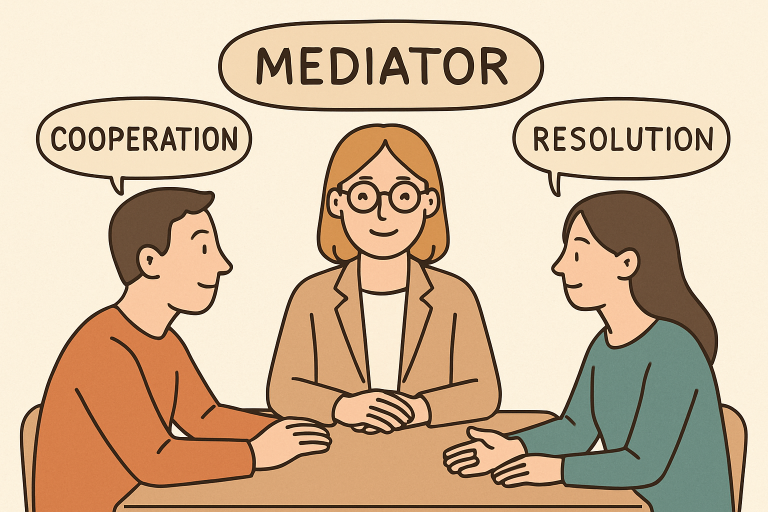
Mediation also grants families control over sensitive matters, encourages cooperation, and often results in resolutions that reflect the unique circumstances and needs of everyone involved. In contrast to contentious court proceedings, mediation invites openness, confidentiality, and a greater sense of empowerment in the outcome. When family matters become disputes, the benefits of mediation are substantial, making it a recommended process for many households.
Families are increasingly turning to mediation not only to save time and money, but also to reduce emotional strain and support healthier, ongoing relationships. Given the confidential nature and cooperative spirit endorsed by the process, mediation is becoming the preferred method for settling family disagreements in a more humane and private manner.
For a comprehensive overview of how mediation can help in family law, this article explores the numerous advantages it offers—from cost considerations to preserving fundamental relationships.
Cost-Effectiveness and Time Efficiency
The costs of standard court litigation—ranging from attorney fees to court costs—can become burdensome very quickly. Mediation often circumvents many of these expenses, requiring fewer hours and typically resolving conflicts in a fraction of the time compared to traditional trials. Because mediation sessions can be scheduled more flexibly and do not depend on crowded court calendars, families can achieve closure and move forward without enduring prolonged legal battles. According to Nolo, mediation is typically less expensive than going to court, making it an appealing option for families who prioritize both timeliness and affordability.
Reduced Stress and Adversity
Courtrooms can be intimidating, and the formal, public nature of litigation often intensifies conflict and emotional turmoil. In contrast, mediation creates a private space for cooperative discussions, with a neutral third party guiding the process to ensure fairness and respect. This cooperative atmosphere fosters solutions that take into account each person’s concerns, paving the way for more amicable post-divorce relationships and healthier co-parenting arrangements. The American Bar Association notes that reducing adversarial interactions can significantly decrease stress, especially for families with children.
Unlike court, mediation is confidential, giving participants the freedom to speak openly without worry that their statements could be used later in legal proceedings. This confidentiality fosters honest communication and enables families to find creative solutions tailored to their unique needs.
Control Over Outcomes
Litigation means ceding decision-making power to a judge, but mediation gives both parties a direct voice in finding solutions. During mediation, participants negotiate the terms of their own agreements, crafting customized arrangements that take into account their children’s daily routines, financial preferences, and division of assets. This agency often yields higher satisfaction and results in lasting agreements, as individuals are more likely to comply with decisions they helped create.
Confidentiality
Unlike court hearings, which are publicly recorded, mediation sessions are private, and the conversations that take place are kept confidential. This privacy is crucial for addressing sensitive family matters, as it promotes openness and honesty throughout the process. If the mediation does not lead to a resolution, none of the discussions can later be used in court, creating a secure space for frank dialogue. For more information, refer to the Nolo guide on family law mediation.
This confidentiality also gives participants the freedom to consider innovative solutions without worrying about legal consequences. It helps cultivate a cooperative environment where the focus is on resolving disputes rather than defending positions.
Tailored Agreements
Family conflicts rarely fit a single mold. Mediation recognizes these distinctions by guiding both parties toward resolutions that address their family’s unique needs and dynamics. Whether it’s an unconventional custody arrangement or detailed financial support agreements, mediation allows for flexibility and specificity that are not always available in court-dictated orders. A skilled mediator helps facilitate these conversations, ensuring that agreements are thorough, balanced, and practical for day-to-day life.
Preserving Relationships
Mediation is designed to help families transition into new chapters with their relationships reasonably intact. Instead of fueling animosity, mediation emphasizes problem-solving and respectful communication, fostering a foundation for ongoing dialogue. This collaborative approach is especially critical for co-parenting, where a functional relationship between ex-partners benefits children and other family members in the long term.
Legal Support in Mediation
Even in the non-adversarial setting of mediation, access to sound legal advice remains crucial. Many families consult attorneys both before and during mediation to clarify their rights and ensure proposed solutions are lawful and equitable. Lawyers can translate mediated agreements into enforceable documentation, giving families confidence that their arrangements are secure and comprehensive. Integrating legal counsel with mediation ensures that families achieve not only peaceful solutions but also ones that align with the legal standards of their jurisdiction.
Conclusion
Choosing mediation in family law matters often means reducing costs, maintaining control over decisions, and preserving family relationships during a stressful time. Its strengths in confidentiality, adaptability, and relationship preservation make mediation a highly effective alternative to traditional court litigation. For families hoping to navigate divorce, custody, and related matters with dignity and sensitivity, the mediation process provides a hopeful path forward.