
NEWS
When Should Immigration Detention Be Re-Evaluated?

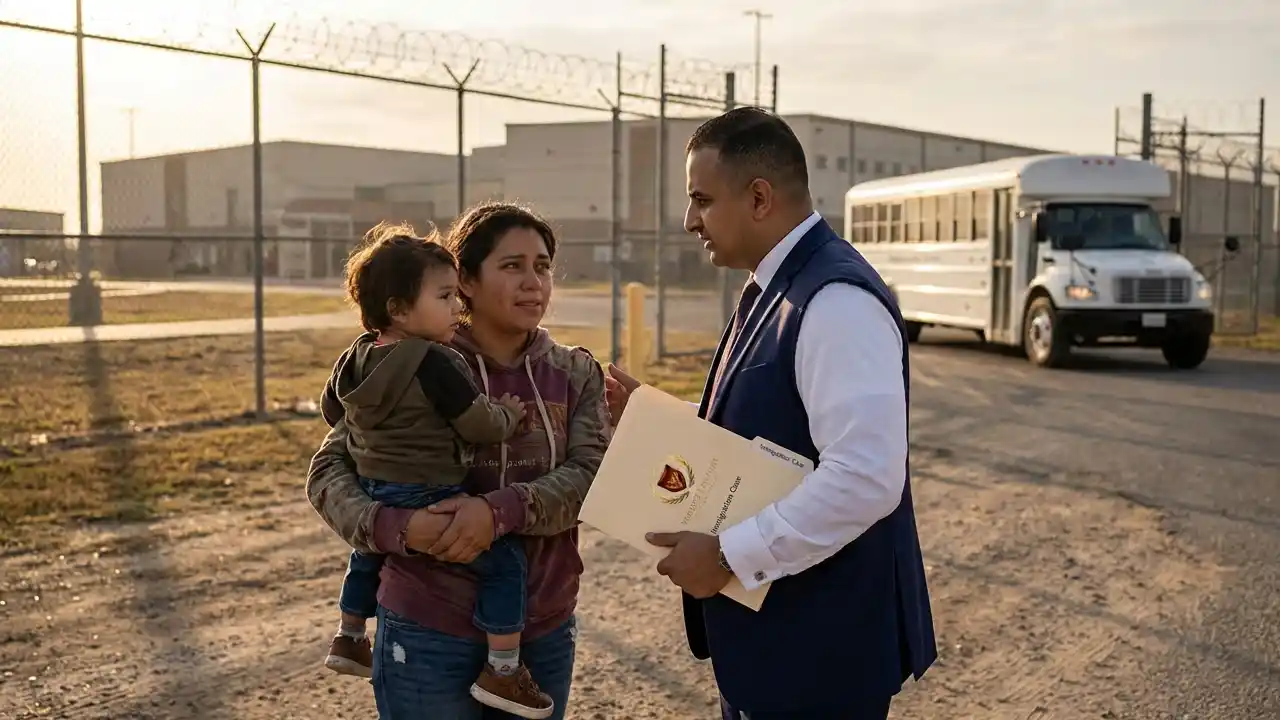
Immigration detention is not meant to remain unchanged from start to finish. As a case progresses, there are key moments where detention should be reassessed based on new developments.
Understanding these checkpoints can help identify when continued detention may no longer be justified.
What Is a Detention Re-Evaluation?
A re-evaluation is a point where the circumstances of detention should be reviewed again, rather than simply continued.
This happens when:
- Time has passed
- The case status has changed
- New information becomes available
Each of these factors can affect whether detention should continue.
Checkpoint 1: After Initial Detention Period
The first review point comes after the initial phase of detention.
At this stage, questions begin to arise:
- Is the case progressing as expected?
- Are hearings being scheduled?
- Is there a clear direction forward?
If the answer is unclear, detention may need closer review.
Checkpoint 2: After Missed or Delayed Hearings
When hearings are delayed or rescheduled, it creates a natural point for re-evaluation.
Repeated delays can indicate:
- Lack of case movement
- Administrative issues
- Extended timelines beyond expectations
Each delay increases the need to reassess whether detention is still reasonable.
Checkpoint 3: Midway Through Prolonged Detention
As detention continues over time, a midpoint is often reached where the situation must be reconsidered.
At this stage:
- The length of detention becomes significant
- Progress should be clearly visible
- Justification for detention must remain strong
If these elements are missing, concerns may arise.
Checkpoint 4: When Removal Becomes Uncertain
If there is no clear path toward removal, detention may lose its purpose.
This can happen when:
- Travel documents are delayed
- Legal barriers prevent removal
- The timeline becomes indefinite
At this point, continued detention may require stronger justification.
Checkpoint 5: After Major Case Developments
Significant changes in a case can also trigger a review, such as:
- Appeals or motions being filed
- Changes in legal status
- New evidence being introduced
Each development can affect whether detention should continue.
Why These Checkpoints Matter
Without re-evaluation, detention can continue by default—even when circumstances have changed.
Recognizing these checkpoints allows individuals to:
- Question ongoing detention
- Identify new legal opportunities
- Take action at the right time
Taking Action After Re-Evaluation
If a review shows that detention may no longer be justified, it may be time to challenge it directly.
Working with a Habeas Corpus Lawyer allows individuals to bring the issue before a federal court and request a formal review of whether continued detention is lawful.
Final Thoughts
Immigration detention should not remain static as a case evolves. Key moments in the process provide opportunities to reassess whether it is still justified.
Recognizing these checkpoints—and acting on them—can help ensure that detention is not continued without proper legal reason.
University of Houston graduate with 5 years of blogging experience, excelling in content strategy, SEO, and audience engagement. Connect with me on LinkedIn.