
Business
What to Look for in a Bulk Container Supplier for Your Business

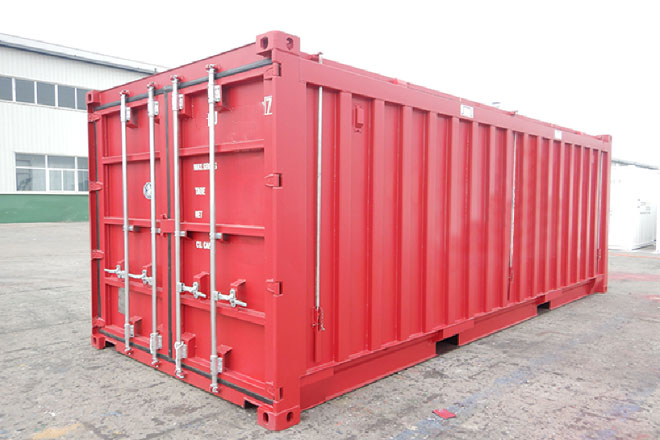
For businesses that rely on Intermediate Bulk Containers (IBCs) to store and transport liquids, chemicals, and other bulk materials, choosing the right supplier is more than just a purchasing decision—it’s a critical factor in ensuring safety, efficiency, and compliance.
Industries such as agriculture, chemicals, mining, brewing, and food production require bulk storage solutions that adhere to strict quality standards. A poor choice of supplier can lead to regulatory violations, contamination risks, costly spills, and supply chain disruptions. So, what sets a reliable bulk container supplier apart from the rest? Here’s what to consider before making your decision.
1. Quality and Compliance Standards
One of the most important factors when choosing an IBC supplier is the quality of the containers they offer. IBCs must meet industry regulations and safety standards to prevent contamination, spills, and environmental hazards.
Look for suppliers that provide:
- Certified IBCs – Ensure the containers meet UN/DOT, ISO, and food-grade certifications, depending on your industry’s needs.
- High-Durability Materials – Stainless steel IBCs offer superior resistance to corrosion, while high-density polyethylene (HDPE) plastic IBCs are lightweight yet durable.
- Compliance with Safety Regulations – Suppliers should adhere to Australian Dangerous Goods (ADG) Code requirements for hazardous material storage and transport.
2. Range of IBC Options
Your supplier should offer a variety of bulk containers to cater to different business needs. Consider:
- New vs. Reconditioned IBCs – Some businesses prefer new IBCs for sensitive products, while others opt for reconditioned IBCs to reduce costs and environmental impact.
- Size and Capacity – IBCs typically range from 500L to 1,500L, so choose a supplier that can accommodate your required volume.
- Speciality IBCs – If your business handles flammable, corrosive, or food-grade materials, ensure the supplier provides specialised IBCs with appropriate linings and coatings.
3. Spill Containment Solutions
Accidental spills can lead to costly clean-ups, regulatory fines, and environmental damage. A reliable IBC supplier should provide spill containment bunds to enhance safety and compliance.
Bund options include:
- Polyethylene bunds – Ideal for chemical and oil storage, resistant to corrosion.
- Steel bunds – Suitable for heavy-duty applications, offering enhanced durability.
- Custom bunding solutions – For businesses with unique containment requirements.
4. Supply Chain Reliability and Delivery Speed
IBC supply disruptions can cause operational delays and impact productivity. A supplier’s ability to deliver containers on time and maintain consistent stock is crucial.
When evaluating a supplier, check for:
- Local vs. international sourcing – A local supplier may offer faster turnaround times.
- Distribution network – A well-established supplier with multiple warehouses can provide greater delivery reliability.
- Order flexibility – Can they handle bulk orders and urgent deliveries?
5. Sustainable and Cost-Effective Solutions
Businesses are increasingly prioritising sustainability in packaging and storage. Choosing an IBC supplier that offers eco-friendly and cost-effective options can reduce waste and lower long-term expenses.
Look for suppliers that provide:
- Reconditioned and reusable IBCs – Extends product life and minimises waste.
- Recycling programs – Ensures responsible disposal of old or damaged containers.
- Lightweight, durable materials – Reduces transportation costs and carbon footprint.
The Right Supplier for Long-Term Success
Selecting a commercial IBC supplier is more than just a transaction—it’s an investment in safety, efficiency, and regulatory compliance. The right supplier not only provides containers but also ensures quality control, reliable delivery, and compliance support, helping businesses avoid operational risks.
By considering factors such as quality standards, IBC variety, spill containment solutions, delivery reliability, and sustainability, you can ensure that your supplier is equipped to meet your business’s long-term storage and transport needs.
Final Thoughts
The bulk storage and transportation industry demands solutions that are safe, cost-effective, and reliable. Partnering with a trusted IBC supplier ensures that your business remains compliant, efficient, and prepared for operational challenges. By prioritising quality, compliance, and supplier reliability, businesses can safeguard their investments and maintain smooth operations for years to come.