
Business
What Is A Solar Charge Controller And Why Is It Essential For Your Solar Power Setup

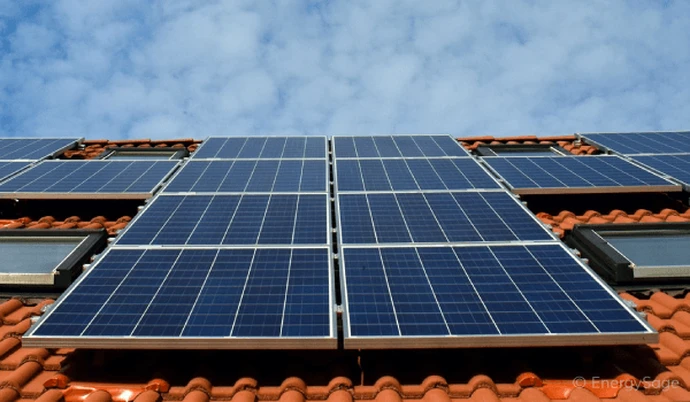
When you look online about solar power, most you will look at are solar panels. But there is one hero that we all fail to recognise, and it is they who actually keep the solar power system safe and running, without whom we can’t possibly relax and enjoy the low electricity bills. The solar charge controller– a device that quietly guards your setup, without anyone noticing.
But the question is, what is it? Why is it essential to the system in the first place? In this article, we’ll dive deep into it. We will be covering important details about solar charge controllers, so you don’t have to go and read another article.
So, What Exactly Is a Solar Charge Controller?
Imagine a guard standing at the entryway to your solar setup. The panels send electricity forward, but it has to go through this gate before it can go to your batteries. The solar charge controller controls how much current comes in, when to halt, and even when to hold back totally. Like a traffic cop at a busy crossroads, it is always checking the voltage of the battery and making quick decisions in real time.
This small gadget even keeps your system safe at night. Batteries may send electricity back into the panels at night. If you don’t do something about it, that’s a slow and quiet drain. The solar charge controller stops that flow from going back, so the batteries can hold their charge until the next dawn.
Why Batteries Need a Bodyguard
Let’s be honest: batteries are expensive. They’re often the costliest part of most home solar systems and the most delicate. A single mistake, i.e., too much charge, or discharging too deeply, can shave years off their life. Imagine filling a water bottle until it overflows every single time. That’s what overcharging does to a battery. On the flip side, draining it completely before refilling is just as harmful.
A solar charge controller steps in here, preventing both extremes. It stops the flood before it starts and ensures there’s always a safety buffer. Without it, you’d not only be replacing batteries far too often but also running the risk of dangerous overheating and leaks. It’s a bit like owning a car without brakes; you wouldn’t dare drive it.
Key Jobs of a Solar Charge Controller
Now, let’s break down what this device actually does in practice:
Prevents Overcharging
Once the batteries are full, the controller slows or cuts off the current so they don’t cook themselves to death.
Prevents Deep Discharging
It makes sure batteries never get drained to a damaging level, preserving their health.
Blocks Reverse Current
At night, it keeps energy flowing in the right direction, preventing waste.
Regulates Voltage and Current
Not all charging is equal. It adapts to the state of the battery, giving it exactly what it needs.
Protects the Whole System
From short circuits to incorrect wiring, the solar charge controller provides a safety net against accidents.
Individually, each of these tasks sounds small. Together, they make the difference between a solar system that lasts a decade and one that burns out in half the time.
Types You’ll Come Across
Not every solar charge controller is built the same way. Let’s understand it carefully with the table below.
| Type of Solar Charge Controller | Best For | Key Traits |
| PWM (Pulse Width Modulation) | Small solar setups, lower budgets | Simple, affordable, less efficient |
| MPPT (Maximum Power Point Tracking) | Larger solar systems, higher efficiency needs | More advanced, extracts maximum energy, higher cost |
What Happens If You Skip It?
Now, a lot of things happen when you skip it. Luckily, the table below helps you understand it a lot better.
| Without a Solar Charge Controller | What Happens | Comparison for Understanding |
| Overcharging during peak sun hours | Batteries heat up, degrade faster, possible damage | Like filling a water bottle until it bursts |
| Energy bleeds back into panels at night | Wasted energy, battery drains unnecessarily | Like leaving a tap dripping all night |
| Shortened battery lifespan | More frequent replacements, higher long-term costs | Like running shoes that wear out in months instead of years |
| Increased safety risks | Fire hazards, overheating, leaks | Like driving a car without working brakes |
| Initial savings from skipping controller | Ends up costing more in replacements and repairs | Like buying a new phone but refusing to use a case. Looks fine at first, regret later |
Conclusion
It may not be the most exciting part of your solar setup, and you probably won’t brag about it to your neighbours. But you can’t ignore how crucial the solar charge controller is. It keeps your system steady, preserves your investment, and makes your batteries last longer. If you’re putting solar panels on your home or business, keep in mind that each part is important. The solar charge controller makes sure that everything flows smoothly between the panels that collect electricity and the batteries that store i