
Tech
Understanding the Academic Performance Indicator (API)

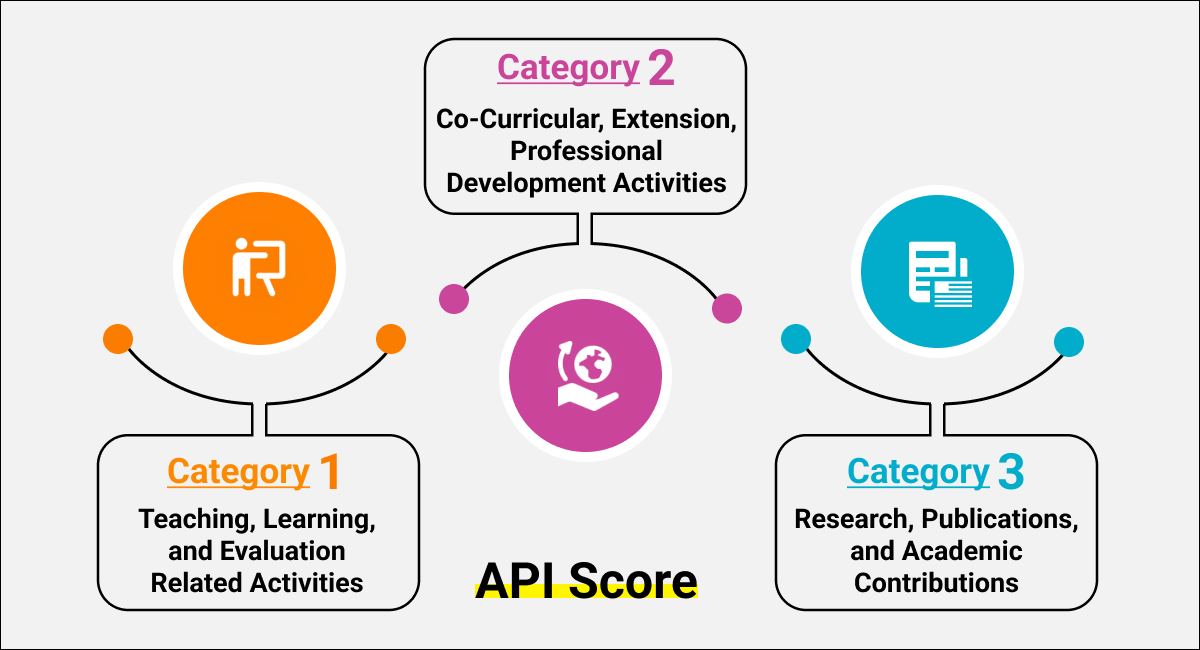
The Academic Performance Indicator (API) is a standardized metric used primarily in higher education to quantify the growth, contribution, and excellence of faculty members and researchers. While students are often measured by GPAs, the API serves as the “professional scorecard” for academics, determining career progression, promotions, and institutional prestige.
The Architecture of API
The API is typically divided into several categories to ensure a holistic evaluation of an academic’s life. It isn’t just about how many hours someone spends in a lecture hall; it’s about their total impact on the field.
1. Teaching and Learning Metrics
This category focuses on the direct interaction between the educator and the student. It measures:
- Lectures and Tutorials: The volume of teaching hours and adherence to the curriculum.
- Innovation in Teaching: Use of ICT, development of new courses, or “flipping” the classroom.
- Examination Duties: Time spent on grading, invigilation, and curriculum design.
2. Research and Academic Contributions
Often the most heavily weighted section, this looks at the “knowledge production” of the individual.
- Publications: Articles in peer-reviewed journals, books, and chapters.
- Research Projects: Success in securing external grants and funding.
- Patents and Policy: Tangible outputs that move beyond the classroom and into industry or government.
3. Professional Development and Extension
This captures the “service” aspect of academia—how the individual contributes to the broader community.
- Seminars and Workshops: Organizing or presenting at international conferences.
- Awards and Fellowships: Recognition from professional bodies.
- Governance: Serving on university boards or acting as a department head.
Why the API Matters
The API system was designed to move away from subjective “favoritism” and toward a merit-based advancement system.
| Feature | Impact on the Educator | Impact on the Institution |
| Transparency | Clear roadmap for promotions. | Standardized hiring practices. |
| Accountability | Ensures continuous research output. | Boosts global university rankings. |
| Incentivization | Encourages attendance at global conferences. | Attracts high-quality talent and funding. |
Critical Challenges and Evolution
While the API provides a structured framework, it is not without its critics. Common concerns include:
- Quantity vs. Quality: Some argue that API scores encourage “predatory publishing”—where researchers publish many low-quality papers just to inflate their scores.
- Subject Bias: Arts and Humanities faculty often find it harder to score as high as STEM faculty because their research cycles (writing a 400-page book) are much longer than a lab-based paper.
- The “Paperwork” Burden: Faculty often report spending significant time documenting their API points rather than actually teaching or researching.
The Future: Moving Beyond the Numbers
Modern institutions are beginning to integrate Altmetrics (Alternative Metrics) into the API. This includes looking at how often research is shared on social media, cited in policy briefs, or mentioned in news outlets. The goal is to measure “societal impact” alongside academic rigor.
The Hear UP is a leading technology publication house. Our origin dates back to 2016 as a small forum for technology enthusiasts. Since then, The Hear UP has transformed into a trusted source for emerging tech and science news.
The majority of our news is provided by staff writers. Other news is provided by news agencies and freelancers.
All of our contributors are members of the Society of Professional Journalists.
If you need to contact a news editor from The Hear UP you can find a list of email addresses on our contact page.
Our Organisation
The Hear UP