
Business
Understanding Power Purchase Agreements: A Smart Alternative for Going Solar

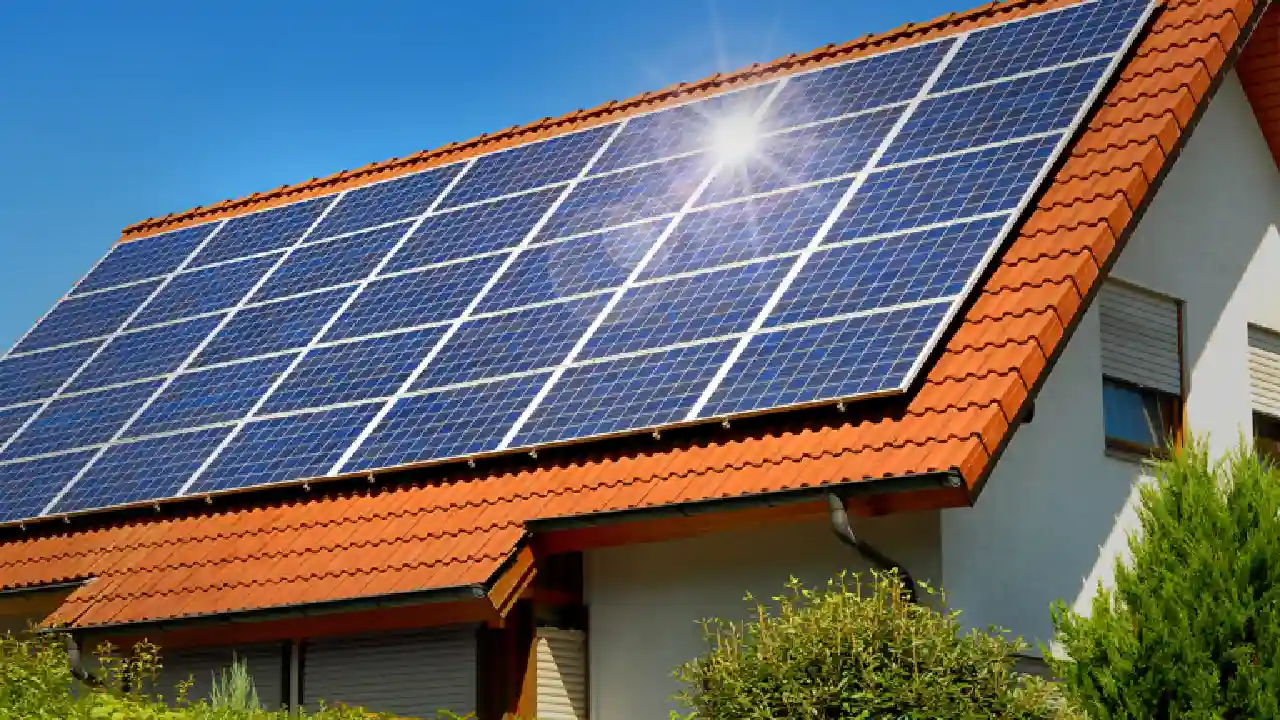
With the rising demand for renewable energy, more homeowners are considering solar power to reduce electricity costs and minimize their reliance on utility companies. However, the upfront cost of purchasing solar panels can be a major barrier. One alternative that allows homeowners to benefit from solar energy without the financial burden of buying a system is a Power Purchase Agreement (PPA). Freedom Forever solar solutions are helping make clean energy more accessible by educating homeowners on the financial and environmental advantages of options like PPAs, which provide a practical pathway to solar for many households.
A PPA allows homeowners to use solar energy while avoiding large installation costs. Instead of purchasing a solar system, homeowners agree to buy the power it generates at a predetermined rate. Understanding how PPAs work, their advantages and potential drawbacks can help homeowners determine whether this financing option is the right fit for their energy needs.
What Is a Power Purchase Agreement?
A PPA is a financial arrangement in which a homeowner allows a solar provider to install and maintain solar panels on their property at little to no upfront cost. Instead of owning the system, the homeowner agrees to purchase the electricity generated by the panels at a fixed rate, typically lower than local utility rates. The agreement usually lasts between 20 to 25 years and provides predictable energy costs over the contract term.
The solar provider remains responsible for system ownership, maintenance and repairs. Homeowners benefit from clean energy without the burden of system upkeep, making PPAs an attractive choice for those who want to lower their energy bills with minimal investment.
How Do PPAs Work?
PPAs operate on a simple model:
The solar provider installs a system on the homeowner’s roof at no cost or with a minimal upfront fee.
The homeowner purchases the electricity the system generates at an agreed-upon rate, which is usually lower than the local utility’s rates.
The provider maintains the system, ensuring that the panels function efficiently throughout the agreement term.
At the end of the contract, homeowners typically have the option to extend the agreement, purchase the system at fair market value or have it removed at no cost.
Since the homeowner does not own the solar panels, they are not eligible for federal tax credits or state incentives, as these benefits go to the solar provider. However, homeowners still experience immediate savings through reduced electricity costs.
Benefits of Power Purchase Agreements
PPAs offer several advantages, particularly for homeowners who want to reduce energy costs without making a long-term investment in solar ownership. Some key benefits include:
Lower or No Upfront Cost
Unlike purchasing a solar system, a PPA typically requires little to no money upfront. This makes solar accessible to homeowners who may not have the financial flexibility to buy panels outright.
Immediate Energy Savings
Homeowners can start saving on electricity bills from day one. Because PPA rates are often lower than standard utility rates, monthly electricity expenses can be reduced without any system ownership responsibilities.
No Maintenance or Repair Costs
Since the solar provider owns and operates the system, it handles all maintenance, repairs and performance monitoring. This eliminates homeowners’ out-of-pocket costs related to system upkeep.
Protection Against Rising Utility Rates
Utility companies frequently increase rates due to inflation, fuel costs and infrastructure upgrades. Many PPAs include fixed-rate or escalating-rate structures, allowing homeowners to secure predictable energy costs and avoid volatile electricity pricing.
Flexible End-of-Term Options
At the end of the agreement, homeowners can choose to extend the contract, purchase the system or have it removed. This flexibility allows homeowners to reassess their energy needs over time.
Potential Drawbacks of PPAs
While PPAs provide a low-cost entry point to solar energy, they are not the right choice for everyone. Some potential downsides include:
No Ownership Benefits
Because homeowners do not own the system, they cannot take advantage of federal tax credits, state incentives or any increase in home value that may come with a purchased solar system.
Contract Length and Obligations
PPAs are long-term agreements, often lasting 20 to 25 years. While they provide consistent energy savings, homeowners who plan to move before the contract ends may need to transfer the agreement to the next homeowner or buy out the contract.
Escalating Payment Terms
Some PPAs include an escalator clause, meaning the cost per kilowatt-hour increases by a small percentage each year. While this increase is usually lower than projected utility rate hikes, homeowners need to review their contract terms carefully.
Limited Customization
Homeowners cannot modify or expand their solar system since they do not own it. If they later decide they want battery storage or additional panels, they must negotiate with the provider or consider purchasing a separate system.
Who Should Consider a PPA?
A Power Purchase Agreement is a smart option for homeowners who:
- Want lower electricity costs without a large upfront investment
- Do not qualify for solar tax credits or prefer not to deal with incentives
- Are comfortable with a long-term agreement that provides stable energy pricing
- Do not want to be responsible for maintenance or repairs
For homeowners looking for maximum long-term savings and ownership benefits, purchasing a solar system or financing through a solar loan may be a better option.
As solar adoption increases, PPAs remain a valuable financing option for homeowners looking to reduce energy costs without the financial commitment of ownership. Multiple financing models, including PPAs, leases and loans, are available so homeowners can choose an approach that best suits their financial goals. Freedom Forever helps homeowners explore these options, ensuring they find a solar solution that fits their energy needs and budget.
Is a PPA Right for You?
Power Purchase Agreements offer an accessible path to solar energy for homeowners who want immediate savings without a large upfront investment. While they do not provide ownership benefits, they allow households to take advantage of lower energy costs, fixed-rate pricing and maintenance-free solar power.
A PPA can be a smart financial move for those looking for a low-risk way to adopt solar. However, homeowners who prefer full control, tax incentives and long-term savings may find that purchasing a system is the better investment. Evaluating financial goals, contract terms and long-term plans can help homeowners make the best decision for their energy future.
University of Houston graduate with 5 years of blogging experience, excelling in content strategy, SEO, and audience engagement. Connect with me on LinkedIn.