
NEWS
TV Aerials Installation: Getting Clearer Reception for All Your Favorite Channels

Understanding TV Aerials
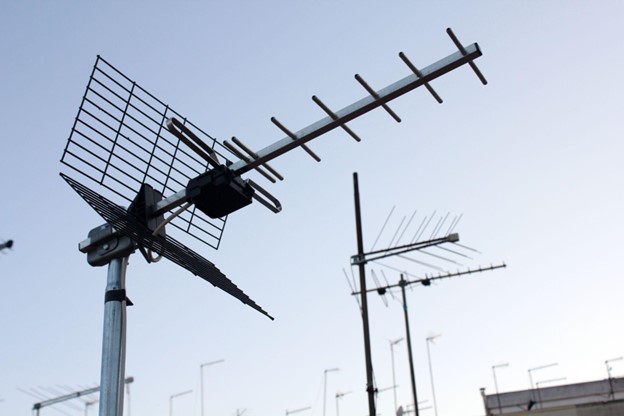
TV aerials, also known as antennas, are essential components for receiving television signals. They convert radio waves into electrical signals that can be processed by your television set, allowing you to enjoy your favorite channels without interruption. The quality of your reception is highly dependent on the type of aerial you use, its installation location, and various environmental factors.
In an era where streaming services are gaining popularity, many individuals still prefer traditional broadcast television due to its reliability and cost-effectiveness. Crisp picture quality and clear audio are significant advantages of using an aerial, particularly in areas where internet connectivity may be inconsistent or unavailable.
Types of TV Aerials
Understanding the different types of TV aerials is crucial for selecting the right one for your needs.
1. Indoor Aerials
Indoor aerials are compact and easy to install, making them ideal for apartment dwellers or those who may not have the option for outdoor installation. They are less effective in areas with poor signal reception but can suffice in urban locations where signals are strong.
2. Outdoor Aerials
Outdoor aerials are typically larger and designed to be mounted on rooftops or outside walls. They provide superior reception capabilities compared to indoor models, especially in rural areas where signals may be weaker.
3. Log Periodic Antennas
These antennas are versatile and can pick up signals from multiple directions. They are often used when the signal source is not fixed or when users wish to receive channels from different broadcasting stations.
4. Yagi Antennas
Yagi antennas are characterized by their directional capabilities, allowing them to focus on a specific signal source while rejecting interference from other directions. This makes them a popular choice for viewers who live farther away from broadcasting towers.
5. Satellite Dishes
While not traditional aerials, satellite dishes offer an alternative means of receiving television signals. They require a clearer line of sight to satellites in orbit and are often used in conjunction with cable services.
Factors Affecting Reception
Several factors can influence the quality of your television reception:
1. Distance from Signal Source
The further you are from the broadcast tower, the weaker the signal will be. Knowing the distance between your home and the nearest tower can guide you in selecting an appropriate aerial.
2. Terrain and Obstacles
Hills, trees, and buildings can obstruct signals, leading to degraded reception quality. In such cases, a higher or more powerful aerial may be necessary.
3. Frequency Bandwidth
Television signals operate on different frequency bands (VHF and UHF). Understanding which frequencies your desired channels operate on is vital for selecting the correct aerial type.
4. Weather Conditions
Adverse weather conditions like heavy rain or snow can affect signal quality by obstructing or reflecting radio waves.
Choosing the Right Aerial for Your Needs
Selecting the right TV aerial depends on several considerations:
1. Location: Assess whether you live in an urban area with many nearby towers or a rural area needing more powerful equipment.
2. Channel Preferences: Research which channels you wish to receive and their broadcasting frequencies.
3. Installation Options: Determine if you prefer an indoor or outdoor installation based on your living situation.
4. Budget: Various aerials come at different price points; ensure you choose one that meets your needs without breaking your budget.
A reputable company like Aerial Force can provide expert advice tailored to your specific circumstances, ensuring you make an informed decision.
The Installation Process
Proper installation is key to achieving optimal reception from your TV aerial:
1. Site Survey
Before installation begins, a site survey should be conducted to identify the best location for mounting the aerial based on signal strength and potential obstructions.
2. Equipment Setup
Ensure all necessary tools are available before commencing installation, including brackets, cables, connectors, and tools like a drill and screwdriver.
3. Mounting the Aerial
Securely mount the aerial at an optimal height using brackets or poles—aim for a location that maximizes exposure to signal sources while minimizing obstructions.
4. Connecting Cables
Connect coaxial cables from the aerial to your television or set-top box, ensuring all connections are tight and secure to prevent signal loss.
5. Testing Reception
After installation is complete, test reception quality by scanning for channels on your television set; make adjustments as necessary to improve clarity.
Common Installation Mistakes
Even experienced installers can make errors that hinder reception quality:
1. Incorrect Orientation: Failing to point directional antennas towards broadcasting towers can lead to poor reception.
2. Poor Cable Management: Using inadequate or damaged cables can result in significant signal loss.
3. Ignoring Local Regulations: Not adhering to local regulations regarding height restrictions or mounting guidelines could lead to fines or removal orders.
4. Neglecting Weatherproofing: Failing to weatherproof connections may lead to deterioration over time due to exposure to elements.
Utilizing professional services like those offered by Aerial Force can help avoid these pitfalls and ensure a successful installation.
Maintenance of TV Aerials
Regular maintenance is essential for ensuring long-term performance:
1. Inspect for Damage: Regularly check for physical damage due to weather conditions or wildlife interference.
2. Cleanliness: Remove debris such as leaves or dirt that may accumulate on the aerial over time.
3. Connection Checks: Periodically inspect cable connections for corrosion or wear that may affect signal quality.
4. Repositioning: If reception deteriorates suddenly, consider repositioning the aerial or consulting professionals for assistance.
Troubleshooting Reception Issues
If channels become fuzzy or disappear altogether, there are several troubleshooting steps you can take:
1. Re-scan Channels: Occasionally re-scan channels on your television as new broadcasting frequencies may become available.
2. Check Connections: Ensure all cables remain securely connected without visible damage.
3. Adjust Position: Minor adjustments in position can significantly enhance signal quality; try moving indoor aerials closer to windows.
4. Consult Experts: If problems persist despite troubleshooting efforts, contact professionals like Aerial Force who specialize in resolving complex reception issues efficiently.
Professional Services: When to Call Aerial Force
While DIY installations can be rewarding, certain situations warrant professional assistance:
1. Complex Installations: If you’re dealing with multiple televisions or complicated configurations requiring advanced knowledge.
2. Signal Weakness: Persistent issues with weak signals that cannot be rectified through standard troubleshooting methods.
3. Safety Concerns: If accessing rooftops poses safety risks due to height or unstable surfaces.
4. Upgrades Needed: When considering upgrades to existing systems where expertise is required for optimal performance improvements.
Aerial Force offers comprehensive services tailored specifically toward enhancing your viewing experience through expert installations and maintenance programs.
Future Trends in TV Reception Technology
As technology evolves, so do options for improving TV reception:
1. Smart Antennas: Newer models equipped with smart technology automatically adjust settings based on changing signal conditions.
2. Enhanced Digital Signal Processing: Advances in digital processing technology enhance clarity and range while filtering out unwanted noise.
3. Integration with Streaming Services: More devices now allow seamless integration between live broadcasts and streaming content for a richer viewing experience.
4. Sustainable Materials: Increasing emphasis on eco-friendly materials ensures newer antennas have less environmental impact while maintaining high-performance standards. In conclusion, understanding TV aerial installation not only enhances viewing experiences but also empowers consumers with knowledge about their choices in technology advancements today—ensuring clearer reception for all your favorite channels awaits just a few steps away from implementation