
Business
The Role of DLH Bangko in Building a Cleaner and More Sustainable Environment

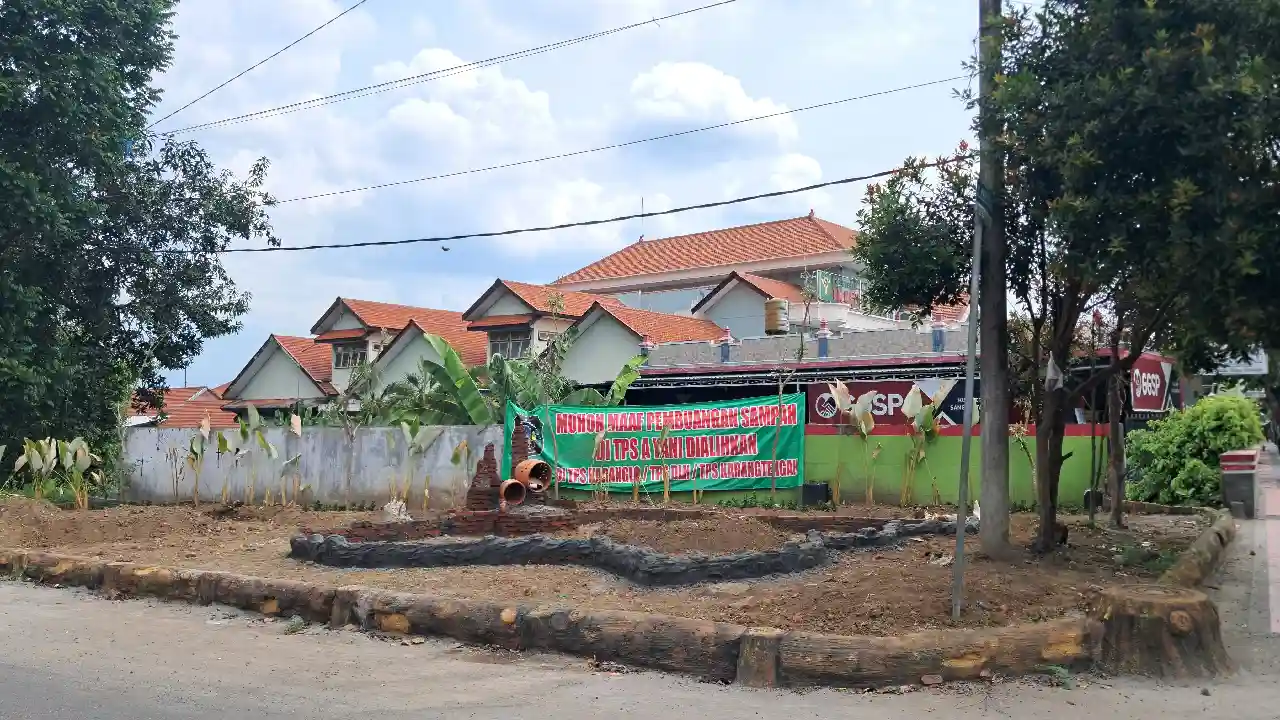
A clean and healthy environment is one of the strongest foundations for community growth. It affects public health, comfort, economic activity, and overall quality of life. Many regions in Indonesia are now giving serious attention to environmental development, and DLH Bangko stands among the institutions actively working to improve local environmental conditions through structured programs and community involvement.
Environmental awareness does not appear on its own. It develops through education, consistent action, and strong support from government agencies. This is why environmental institutions have an important responsibility. They ensure proper management, guide the community, and maintain environmental balance across the region.
Main Responsibilities of DLH Bangko
DLH stands for Dinas Lingkungan Hidup, a government department responsible for environmental management. DLH Bangko carries out a wide range of tasks that help the community maintain a safe and sustainable living space.
Key responsibilities include waste management, monitoring air quality, supervising industrial waste, protecting green areas, and promoting environmental education. These tasks support long-term sustainability and reduce pollution risks that may affect residents.
The institution also works to implement environmentally friendly policies. By establishing better rules, DLH encourages everyone to take part in responsible waste handling, reduced pollution, and protection of natural resources.
Developing Better Waste Management Systems
Waste is one of the biggest challenges for growing communities. The rapid increase in population usually results in more household and commercial waste. If it is not managed properly, it becomes a source of pollution and health hazards.
DLH develops modern waste management strategies. These include separating organic and non-organic waste, improving transportation systems, maintaining disposal sites, and encouraging recycling efforts. These steps help reduce waste accumulation and prevent environmental contamination.
Community education also plays a major role. When people understand how to manage their waste, the process becomes easier and more effective. Regular campaigns and training sessions help more households adopt better habits.
Promoting Cleaner Air and Reducing Pollution
Air pollution affects daily life in many ways, such as reduced visibility, health problems, and discomfort during outdoor activities. Monitoring air quality is another key responsibility of DLH. They check emissions from vehicles, industries, and other sources.
By enforcing environmental regulations, the department helps keep pollution levels under control. This includes inspecting factory waste, reviewing environmental documents, and advising businesses on how to reduce harmful emissions.
Programs promoting green transportation, tree planting, and environmentally friendly lifestyles also support cleaner air. These efforts help create a healthier environment for all age groups, especially children and elderly residents.
Protecting Water Sources and Local Ecosystems
Water resources are essential for every community. They support daily needs, agriculture, and local ecosystems. DLH also works on protecting rivers, lakes, and groundwater from pollution.
They monitor water quality, ensure proper disposal of liquid waste, and make sure businesses follow environmental rules. When water sources are clean, they support stronger agriculture, healthier residents, and more stable local ecosystems.
Planting vegetation near water areas, improving drainage systems, and preventing illegal dumping are additional steps that help protect the environment.
Strengthening Green Spaces and Urban Planning
Green spaces offer many benefits such as better air quality, cooler temperatures, and more comfortable public areas. Parks, gardens, and urban forests help people stay connected with nature and improve the overall appearance of the city.
DLH works together with local communities to plant trees, restore green areas, and maintain public spaces. These actions support a cleaner environment and boost public awareness.
A well-planned green area also encourages outdoor activities, reduces stress, and improves social interaction among residents.
Community Education and Environmental Awareness
Environmental programs succeed when the community participates. That is why DLH invests in education campaigns, workshops, and public activities. These events teach people how to reduce waste, recycle, conserve water, and use eco-friendly products.
Schools are often involved as well. Students learn environmental values at a young age, which helps shape responsible habits for the future.
Community participation also builds a sense of responsibility. When people understand how their actions affect the environment, they become more willing to adopt positive practices.
Supporting Sustainable Development in the Region
Sustainability is not just about protecting nature. It also includes supporting economic activities without damaging the environment. This balance is essential for long-term development.
DLH encourages businesses to adopt environmentally friendly operations. This may include proper waste control, responsible sourcing, energy efficiency, and compliance with regulations. When industries follow these guidelines, the community benefits from cleaner surroundings and safer production processes.
Local governments also work with DLH to create plans that support both environmental protection and economic growth. This cooperation helps build a stronger and more resilient region.
Digital Access to Information and Public Updates
In the digital era, quick access to environmental information is important. Online platforms make it easier for the public to receive updates on activities, campaigns, and environmental alerts.
The official website provides reports, news, and announcements that help residents stay informed. Through these updates, DLH Bangko strengthens transparency and encourages community involvement.
Digital tools also support public reporting. People can send complaints, share photos, or provide information about environmental issues. This helps authorities respond faster and solve problems more efficiently.
Collaboration With Communities and Local Stakeholders
Environmental improvements often require teamwork. DLH collaborates with schools, local groups, businesses, and government partners to expand its impact. Community clean-up events, tree-planting programs, and educational workshops are examples of this collaboration.
These partnerships help strengthen environmental culture. When people from many sectors participate, the results become more visible and long-lasting.
The Importance of DLH Bangko for Future Generations
Environmental protection is not only for today. It is an investment in future generations. Children who grow up in clean and safe surroundings are more likely to develop healthier lifestyles and stronger awareness about nature.
Through its programs and initiatives, DLH Bangko continues to guide the region toward a cleaner future. Their efforts in waste management, pollution control, environmental education, and green development create long-term benefits for the community.
A sustainable environment ensures that natural resources remain available for years to come. This stability supports economic growth, public health, and community happiness.
Conclusion
The role of DLH Bangko is vital for the growth and sustainability of the region. Through waste management, air and water monitoring, environmental education, and community involvement, the institution builds strong foundations for a cleaner and more responsible society.
As environmental challenges continue to increase, the commitment of DLH and the participation of the community become more important. When the government and the public work together, a cleaner and healthier environment becomes more than a goal. It becomes a reality for everyone.
University of Houston graduate with 5 years of blogging experience, excelling in content strategy, SEO, and audience engagement. Connect with me on LinkedIn.