
Home Improvement
The Myths About Siding That Homeowners Still Believe

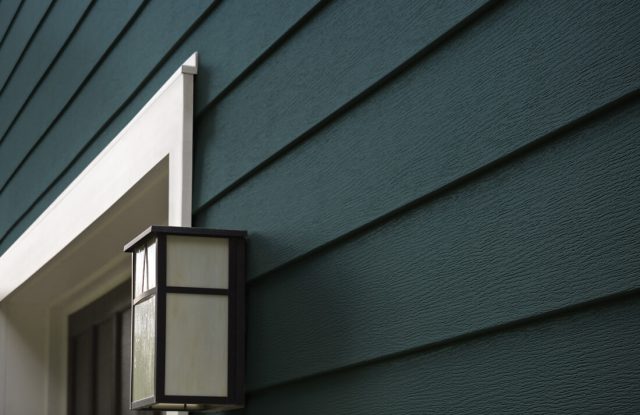
Siding covers nearly every inch of a home’s exterior, yet it remains one of the most misunderstood parts of construction. Ask a group of homeowners what siding does, and you’ll probably hear: “It’s for looks.” While appearance is important, that answer only scratches the surface. Over the years, a handful of myths about siding have stuck around, leading many people to make decisions that cost more time and money in the long run.
It’s time to clear the air. By separating fact from fiction, homeowners can approach siding projects with confidence and avoid mistakes that come from outdated assumptions. And with support from trusted providers like Smart Exteriors, those myths can be replaced with knowledge that leads to stronger, smarter homes.
Myth 1: All Siding Materials Perform the Same
It’s easy to assume that vinyl, wood, fiber cement, or metal siding all function similarly — after all, they cover walls, right? The truth is that each material behaves differently under pressure. Vinyl may resist moisture well but can warp under intense heat. Wood delivers timeless beauty but requires ongoing maintenance. Fiber cement resists fire and pests but is heavier to install.
A siding company knows these distinctions matter. Choosing the wrong material for a particular climate or lifestyle can lead to disappointment, higher costs, or early replacement.
Myth 2: Siding Is Only About Appearance
Siding certainly shapes curb appeal, but its responsibilities go much deeper. Properly installed siding protects against wind, rain, and pests. It helps manage energy efficiency by supporting insulation and reducing drafts. It even contributes to indoor comfort by controlling moisture and noise.
Reducing siding to “just for looks” is like saying a roof is only there to complete the design. Function and beauty work hand in hand, and overlooking function leaves a home vulnerable.
Myth 3: Installation Is a Simple DIY Project
Online tutorials might make siding installation look straightforward, but the reality is far more complex. Each panel must be placed with precise spacing to account for expansion and contraction. Moisture barriers, flashing, and sealants must be layered correctly to keep water out. Even the fasteners used can affect performance.
A professional siding contractor brings knowledge of both technique and building science. Skipping that expertise risks more than crooked panels — it risks long-term damage hidden behind the walls.
Myth 4: Siding Doesn’t Affect Energy Bills
Some homeowners think insulation is the only factor in energy costs. While insulation plays a major role, siding also influences thermal performance. Poorly sealed siding can allow air leaks, while certain materials provide better resistance to heat transfer.
When installed correctly, siding supports the overall energy envelope of a home. It reduces the workload on heating and cooling systems, lowering utility bills and improving comfort throughout the year.
Myth 5: Once Installed, Siding Requires No Maintenance
It’s a comforting thought: install siding once and never worry about it again. But like every part of a home, siding benefits from upkeep. Vinyl may need occasional cleaning to prevent mold. Wood requires sealing or painting to resist rot. Even fiber cement should be checked for caulking gaps or impact damage.
Maintenance doesn’t have to be overwhelming, but ignoring it shortens the lifespan of even the best materials. A little care ensures siding performs for decades.
Myth 6: New Siding Is Too Expensive to Be Worth It
Replacing siding can feel like a large expense, but it’s more accurate to think of it as an investment. New siding improves resale value, reduces energy costs, and protects the home’s structure. In many cases, the long-term savings outweigh the upfront price.
A siding company can help homeowners understand the balance between cost and value, guiding them toward options that fit their budget without sacrificing performance.
Myth 7: Siding Looks the Same After 20 Years
Not all siding ages equally. Exposure to sun, wind, and rain slowly wears down finishes. Fading colors, warping panels, or cracking boards are common signs of aging. Quality siding materials last longer, and professional installation slows the process, but no product remains untouched by time.
Planning for durability means choosing materials designed to withstand local weather and committing to basic upkeep. With the right combination, siding can still look great decades later, even if it’s not identical to the day it was installed.
Myth 8: Any Contractor Can Handle Siding
While general contractors may be skilled in multiple areas, siding demands specialized knowledge. Understanding moisture control, thermal movement, and wall system integration requires focus and training. A siding contractor brings this expertise, ensuring siding works as a system rather than just a surface.
This distinction is critical. Poor installation can cancel out the benefits of even the best siding materials. That’s why homeowners often turn to specialists like Smart Exteriors, who understand both the science and the artistry of siding.
Final Thoughts
Siding myths persist because they sound convenient. It’s easier to think siding is just for looks, or that it requires no upkeep, or that anyone can install it. But convenience rarely matches reality. Siding is one of the hardest-working parts of a home, protecting against weather, shaping style, and influencing comfort.
By setting myths aside and focusing on facts, homeowners make smarter choices. They invest in materials that fit their climate, rely on professionals who understand wall systems, and commit to small steps that preserve long-term performance. With help from experienced providers like Smart Exteriors, siding becomes more than a surface — it becomes a system of strength, beauty, and resilience.