
HEALTH
The Long-Term Benefits of Dental Implants for Everyday Life

Key Takeaways
- Dental implants closely mimic the appearance, structure, and function of natural teeth.
- They offer unmatched long-term durability, often lasting several decades with diligent oral care.
- Implants maintain jawbone health, preventing bone resorption and facial deformities associated with tooth loss.
- They restore chewing comfort and efficiency, allowing a regular, unrestricted diet.
- Dental implants can profoundly boost confidence and self-esteem by restoring complete smiles.
Missing teeth can affect much more than your smile—they influence how you eat, speak, and even maintain overall oral health. Over time, gaps in your teeth can lead to bone loss in the jaw, shifting of surrounding teeth, and increased strain on remaining teeth. Addressing these issues with stable, long-lasting solutions helps restore both function and confidence, allowing people to engage fully in everyday activities without discomfort or self-consciousness.
One of the most reliable ways to maintain oral structure and daily functionality involves replacing lost teeth with durable, integrated solutions. Working with a skilled professional, such as a dental implants periodontist Aldie, VA, ensures that replacements are correctly aligned with your bite, support jaw health, and integrate seamlessly with your existing teeth. Beyond aesthetics, these solutions enhance chewing efficiency, improve speech clarity, and promote long-term oral stability, thereby improving quality of life in subtle yet significant ways.
Natural Look and Feel
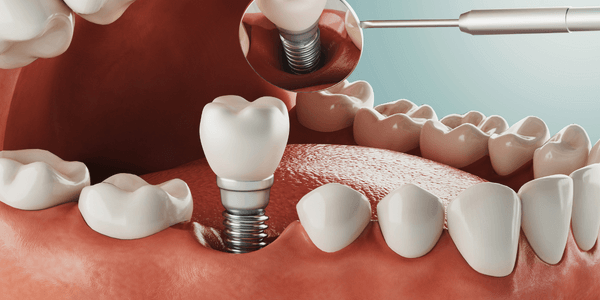
Dental implants are widely regarded for their ability to mirror the look and feel of natural teeth. The implant’s titanium post serves as an artificial tooth root, integrating securely with the jawbone through a process called osseointegration. This stable foundation eliminates common complaints about dentures, such as shifting and discomfort. Patients can speak, chew, and laugh without the fear of prosthetic movement or embarrassing mishaps, allowing them to interact with confidence in every aspect of life.
Long-Term Durability
Implants are built for durability, offering a clear advantage over other prosthetics. When paired with proper oral hygiene and regular dental check-ups, they can last many years. This extended lifespan reduces future problems, lowers the need for extra dental procedures, and ensures stable results over time. Conversely, dentures and bridges often require repairs or replacements, resulting in higher costs and more frequent visits.
Preservation of Jawbone Health
One overlooked but critical benefit of dental implants is their role in maintaining jawbone density. After a tooth is lost, the jawbone that once supported it can begin to deteriorate due to the absence of stimulation. Implants act as artificial roots, helping to maintain bone strength and prevent resorption. This effect minimizes the risk of facial sagging, supports healthy facial proportions, and ensures the long-term health and structure of the mouth and jaw.
Improved Chewing and Comfort
Many people with missing teeth or removable dentures face ongoing difficulties with eating, often having to avoid hard, crunchy, or chewy foods. Dental implants restore full masticatory function, allowing you to enjoy a balanced, unrestricted diet. This improved function benefits not just oral health but also nutrition and overall wellness. Enhanced stability means less gum irritation, reduced mouth sores, and a comfortable, seamless eating experience.
Enhanced Self-Esteem and Confidence
The effects of a healthy, natural-looking smile extend far beyond mere aesthetics. Tooth loss can impact speech, alter facial expressions, and lead individuals to feel self-conscious in social or professional settings. Dental implants provide a lasting solution, filling gaps and enabling confident smiles. Many recipients report increased participation in social events and a willingness to engage in activities they previously avoided.
Cost-Effectiveness Over Time
Although the initial investment in dental implants is higher compared to alternatives, the long-term financial benefits are significant. Removable dentures and fixed bridges typically require periodic adjustments, repairs, or replacements. In contrast, dental implants, when properly maintained, can function for decades without incurring significant additional costs, making them a wise choice for the future.
Easy Maintenance and Oral Hygiene
One of the greatest conveniences of dental implants is that they require no special cleaning routines. Brushing, flossing, and routine dental exams are sufficient to keep implants in optimal condition. Unlike removable dentures, which need to be taken out and cleaned separately each night, implants fit seamlessly into everyday hygiene habits, ensuring simplicity and promoting broader oral health.
Psychological and Social Benefits
Dental implants do more than restore function—they enhance overall quality of life. Improved social comfort, a boost in public confidence, and freedom from dental-related embarrassment are all common effects. For many, this leads to greater participation in work and community events, a willingness to try new things, and higher reported mental well-being.
Lasting Impact on Everyday Life
Dental implants offer more than just aesthetic improvement—they restore essential oral functions, support jawbone health, and enhance overall well-being. By providing a durable, natural-looking solution for missing teeth, implants help individuals maintain comfort, confidence, and a higher quality of life for years to come. Their combination of long-term reliability, ease of care, and psychological benefits makes them a truly transformative option for anyone facing tooth loss.