
NEWS
The Anatomy of Reliable Water: Breaking Down the Hidden Role of Pool Repairs

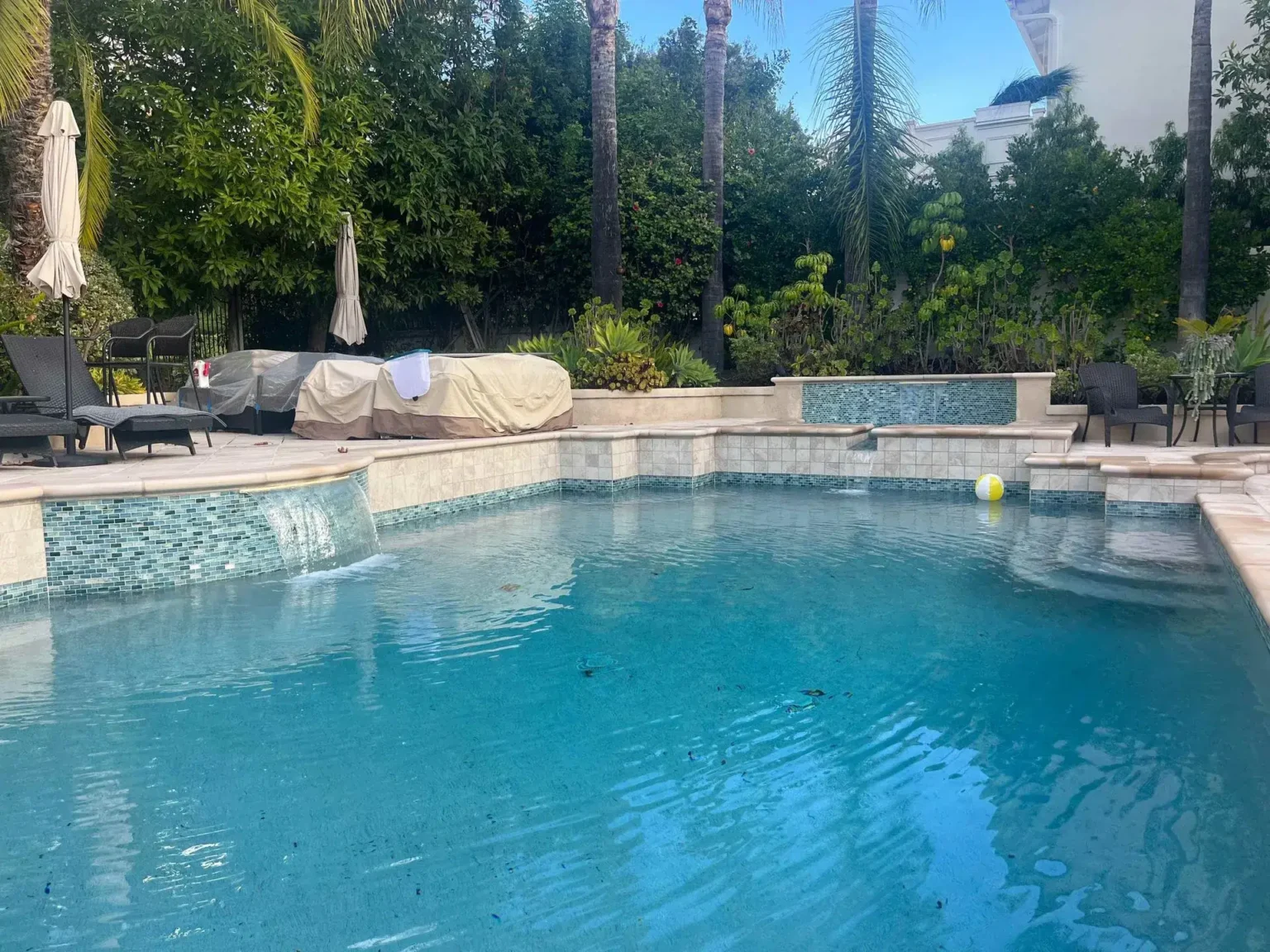
When most people think about a pristine pool, they picture crystal-clear water, perfect temperatures, and a quiet hum from the background systems. What’s less obvious is the constant work happening beneath the surface—literally and figuratively. Maintaining a reliable, safe, and efficient pool environment is deeply tied to a set of systems that, over time, inevitably require attention. That’s where pool repairs become not just necessary, but foundational.
Pool repairs aren’t only about fixing broken parts. They’re about protecting investment, avoiding downtime, and ensuring that what’s meant to be a place of enjoyment doesn’t become a source of stress. Understanding what goes into these repairs—and why timely intervention matters—is the first step in being a responsible and well-informed pool owner.
Beyond Water Quality: The True Scope of Pool Repairs
Systems That Keep It All Together
The visible parts of your pool—the tile, waterline, and steps—are just a fraction of the full system at work. Beneath the deck and behind the scenes are circulation lines, pumps, filters, valves, heaters, and sometimes chlorinators or saltwater generators. These components must function in harmony to keep the water clean, moving, and safe for swimmers.
Over time, even well-maintained systems develop wear and tear. Seals degrade, sensors become less accurate, and connections loosen under pressure. The result? Minor inefficiencies that can quickly become major failures if not addressed.
Regular inspections and quick response to early signs are what separate routine pool repairs from disruptive emergencies.
It’s About Performance, Not Just Damage
Many homeowners delay repairs until something fully breaks—like a pump that won’t start or a heater that shuts down. But pool repairs often deal with performance issues before they reach the failure point.
You might not notice that your filter isn’t catching debris as efficiently or that your circulation has slowed by 15%. Yet these subtle shifts affect water clarity, chemical balance, and long-term equipment strain.
Professionals like Saddleback Mountain Pool & Spa look at pool repairs through this lens: improving performance now to avoid larger problems later.
Most Common (and Overlooked) Pool Repairs
Pump and Motor Wear
Your pump is the heartbeat of your pool. It keeps water circulating through filters, skimmers, and treatment systems. When the motor starts making noise, overheating, or losing prime, it’s usually a sign of internal wear—bearing failure, impeller damage, or electrical issues.
Ignoring these symptoms risks a complete pump failure, which can halt your entire system. Replacing small components early, or servicing the motor before it seizes, can save both time and expense.
Even minor pump inefficiencies lead to reduced turnover, which directly impacts how clean and balanced your water stays throughout the day.
Leaks in Underground Plumbing
Leaks are tricky. Surface leaks in fittings or equipment can be spotted easily, but plumbing leaks under decks or slabs are much harder to detect. Still, they’re a common source of long-term water loss and escalating damage.
Signs like low water levels, inconsistent pressure, or unexplained chemical imbalances might point to a leak somewhere in the system. Confirming it requires pressure testing and sometimes specialized detection tools.
These pool repairs are more labor-intensive, but catching them early prevents foundation erosion, deck damage, or increased water bills over time.
Valve Failures and Blockages
Valves control how water moves through your pool system. They determine whether water is pulled from the skimmer or main drain, which direction it’s pushed, and what systems it passes through.
Over time, valves can crack, clog, or become difficult to turn. When this happens, circulation is disrupted, sometimes dramatically. You might experience unfiltered water returning to the pool or reduced suction in cleaning systems.
Pool repairs that address valve function restore balance and help all other components work more efficiently.
When Repairs Are Delayed: A Costly Cascade
Strain on Connected Equipment
One of the biggest reasons to act on early signs of malfunction is that pool systems are interconnected. When one component fails, others often have to overcompensate. For example, a failing filter might force the pump to run longer or harder, which increases wear on the motor.
Similarly, clogged return lines or broken check valves can reduce water turnover, leading to cloudy water that requires more chemical intervention.
This domino effect is one of the most common ways that a small repair turns into a multi-component replacement.
Water Chemistry Instability
Mechanical malfunctions often lead to inconsistent water quality. A poorly performing pump means reduced circulation, allowing algae to form in stagnant corners. A faulty chlorinator might underdose sanitizer levels, leading to bacterial growth.
When repairs are neglected, it’s common for homeowners to spend more on chemicals in an attempt to rebalance the water—often without success.
Timely pool repairs help keep your chemistry predictable, which not only protects swimmers but also reduces overall maintenance costs.
A Smarter Approach to Pool Repairs
Think in Terms of System Health
Instead of seeing pool repairs as isolated fixes, view them as part of a whole-system wellness plan. Just like a car, your pool’s longevity depends on regular tune-ups, attention to unusual signs, and investing in high-quality parts when replacements are needed.
This mindset helps prioritize which repairs are urgent, which can be scheduled, and which might be bundled with upgrades for cost-efficiency.
Professional Mission Viejo pool repair services often recommend maintenance reviews twice a year—not just for cleaning, but for a full performance audit.
Use Repairs as a Chance to Improve
Not all repairs are just about restoring old function. Some are opportunities to optimize. Replacing a failing single-speed pump with a variable-speed version reduces energy consumption. Updating plumbing layouts during leak repair can improve circulation.
Even filter or heater replacements offer a chance to upgrade to more efficient models that save time, money, and hassle.
By aligning necessary pool repairs with smart planning, homeowners can boost system efficiency while avoiding emergency calls later.
Final Word: Clarity, Comfort, and Control
A well-maintained pool isn’t just about clean water. It’s about confidence—knowing that everything is working in harmony, that small issues won’t become big ones, and that your investment will last for years to come.
Understanding the deeper role that pool repairs play gives homeowners the knowledge they need to stay ahead of problems. It shifts the conversation from reactive to proactive—from “What broke?” to “How can I make this better?”
With guidance from experienced professionals like Saddleback Mountain Pool & Spa, keeping your pool in peak condition becomes less about stress—and more about consistent, reliable enjoyment.