
Tech
Self-Service Checkout Technology Trends

Key Takeaways
- Self-service checkout technology is rapidly evolving to meet the growing demands of consumers for speed, convenience, and privacy.
- Emerging innovations—such as AI-powered vision recognition, IoT integration, and cloud-based management—are transforming retail operations and customer experiences.
- The adoption of cashless and hybrid payment systems reflects global shifts toward digital transactions and inclusive shopping options.
- Despite its benefits, retailers must strike a balance between automation and accessibility, as well as human support, to ensure satisfaction across all customer demographics.
- As artificial intelligence and biometric technologies mature, self-checkout systems will continue to shape the future of efficient and personalized retail.
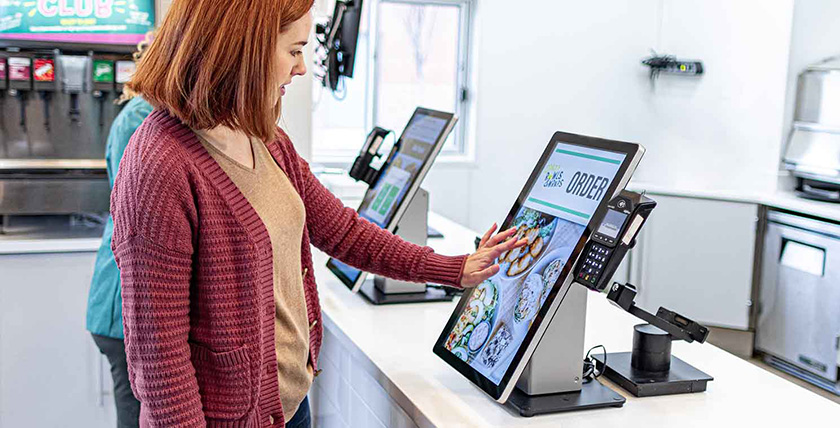
With the rapid evolution of retail technology, self-service checkout systems are increasingly becoming a focal point for innovation. Driven by customer demand for speed, convenience, and privacy, these solutions have evolved far beyond simple barcode scanners and have become an integral part of the modern retail landscape. Today, self checkout kiosks incorporate advanced tools and cutting-edge technologies that streamline store operations and provide a seamless shopping experience. Businesses are embracing these trends as shoppers seek greater autonomy in their purchasing journey, aiming to reduce wait times and create a seamless in-store flow. As competitive pressure in the retail sector continues to intensify, retailers are motivated to invest in self-service innovations that meet shifting expectations and build brand loyalty.
Emerging advancements in self-checkout technology are shaping not only how consumers interact with retail environments but also fundamentally altering the way businesses manage their operations for long-term growth. The introduction of artificial intelligence, cloud-based management systems, and interconnected data tools is ushering in a new era of retail. These innovations promise not only faster and more reliable checkouts but also significant operational savings and adaptability to diverse consumer demands. In addition to enhancing shopper satisfaction, these systems provide retailers with real-time analytics, enabling them to anticipate trends, optimize resource allocation, and respond promptly to changes in behavior. As we move forward, self-service solutions are set to become a key differentiator that defines the success of retail businesses worldwide.
AI-Powered Vision Recognition
Artificial intelligence is making waves in self-checkout technology through sophisticated vision recognition systems. Rather than relying solely on traditional barcodes that can be easily damaged or obscured, state-of-the-art kiosks can now identify products by analyzing their visual traits—such as shape, size, color, and texture—using high-resolution cameras paired with deep learning algorithms. This leap forward not only reduces scanning errors and eliminates the hassle customers often face with untagged produce or irregularly shaped items but also simplifies the user interface, making it easier for older adults or technophobic shoppers to complete transactions without confusion. AI-driven vision recognition notably accelerates the checkout process for retailers with high product turnover, making it not only swifter but also more intuitive and less dependent on manual intervention. As these systems learn from every transaction, they continually refine their accuracy, minimizing friction and reducing the need for staff interventions in high-volume environments.
Cloud-Based Management
Cloud technology is fundamentally changing how self-checkout infrastructure is managed across retail businesses of all sizes. Retailers can now leverage robust cloud-based platforms to monitor, troubleshoot, and update their checkout systems across multiple locations in real time. This centralized approach ensures maximum uptime and creates a seamless shopping experience, even during high-traffic sales events or peak hours, by quickly identifying and addressing technical issues or bottlenecks. The power of cloud management becomes particularly evident in large retail chains or stores with geographically dispersed branches, where consistent functionality, rapid updates, and coordinated roll-outs of new features are paramount. In addition, cloud-based reporting and analytics offer actionable insights—such as identifying the busiest times of day or flagging frequently mis-scanned items—and enable the evaluation of performance in granular detail. With constant connectivity and streamlined reporting, managers gain the flexibility to optimize floor operations in real-time while also reducing long-term support costs.
IoT and Wearable Integration
The proliferation of the Internet of Things (IoT) in retail is resulting in a more interconnected and responsive in-store experience for both staff and shoppers. Modern self-checkout kiosks can communicate instantly with wearable devices, such as smartwatches or clip-on sensors worn by store staff—sending real-time alerts when assistance or intervention is needed, such as for age verification of restricted purchases or addressing system errors. This creates a streamlined workflow where employees can respond to customer needs promptly, maintain compliance, and resolve security concerns without being tethered to a single terminal or manually monitoring each kiosk. According to Forbes, IoT-enabled automation and seamless data-sharing reduce queue times, improve customer satisfaction, and enhance checkout accuracy. In addition to communication, IoT sensors embedded within checkout hardware can monitor machine health, predict failures, and automate maintenance scheduling—all of which contribute to minimal downtime and improved operational efficiency.
Cashless and Hybrid Payment Options
As the world adopts digital transactions, self-checkout kiosks are adapting to the rapidly evolving payment landscape. Today’s state-of-the-art kiosks are capable of supporting a wide array of contactless and mobile payment methods, including Apple Pay, Google Pay, and other NFC-enabled digital wallets. These flexible payment options allow customers to complete transactions swiftly and securely using their smartphones, smartwatches, or contactless cards, meeting both their convenience and safety preferences—priorities that became especially prominent during the COVID-19 pandemic. Some kiosks continue to offer hybrid systems that accommodate both digital and cash payments, ensuring inclusiveness for customers who are unbanked or prefer to use cash. This ability to adapt to a variety of payments reflects the shifting preferences of broad demographics, and as noted by CNBC, increases retailer confidence in the durability and flexibility of self-service investments. The trend toward cashless technology shows no signs of slowing down, aligning with global developments in financial technology and digital commerce.
Consumer Preferences and Adoption Rates
Research indicates that the popularity of self-service checkouts is rapidly on the rise, with comprehensive surveys suggesting that up to 77% of shoppers prefer self-checkout because of its perceived speed, privacy, and efficiency, according to NCR Voyix. This trend is especially striking among younger generations—Gen Z and Millennials—who are digital natives comfortable with automation and expect frictionless, self-directed shopping experiences. Interestingly, older shoppers are also becoming increasingly open to self-checkout as interfaces become simpler and more intuitive. The widening appeal of self-checkout reflects not just advances in technology but a broader cultural shift toward automation in everyday life. As a result, these systems are now seen as a basic expectation rather than a futuristic luxury, influencing how retailers design their stores and allocate staff resources.
[suggestion]A simple illustration showing a modern self-checkout kiosk with a customer using a mobile phone for payment and an employee in the background wearing a smart wearable device.[/suggestion]
Industry-Specific Adoption
While the retail industry remains the leading sector for self-checkout technology adoption, the versatility of these platforms is driving rapid adoption in other sectors as well. Grocery stores, convenience shops, and department stores are rolling out increasingly sophisticated self-service options to accommodate different shopping behaviors and expectations. In healthcare, self-checkout kiosks are facilitating patient check-ins, bill payments, and appointment scheduling, helping to free up staff for clinical care and reduce administrative bottlenecks. Restaurants, cafeterias, and quick-service venues are introducing self-ordering and payment kiosks to streamline the ordering process, minimize wait times, and personalize the repeat customer experience. Even airports and libraries are experimenting with similar kiosks to handle ticketing, checkouts, and returns, highlighting the technology’s adaptability and growing cross-industry appeal.
Challenges and Considerations
Despite their many advantages, self-checkout kiosks present several challenges that require careful consideration. Theft and shrinkage remain persistent concerns, necessitating the implementation of advanced loss prevention tools such as AI-driven surveillance, real-time alerts, and intervention protocols to deter fraudulent activities. Technical issues—from hardware malfunctions and touchscreen calibration errors to network connectivity interruptions—can disrupt checkout flow, potentially frustrating both customers and staff. The need for ongoing software and hardware updates, cybersecurity measures, and disaster recovery planning further adds to the complexity. Additionally, while automation offers convenience, some segments of shoppers—particularly those who are less tech-savvy, have accessibility needs, or value personal interaction—prefer traditional, human-staffed checkouts. Addressing these hurdles means retailers must offer a balanced, hybrid service model to cater to all customer expectations, maintaining flexibility as technologies and preferences evolve.
Future Outlook
The evolution of self-service checkout technology shows strong momentum for the foreseeable future. Next-generation systems will likely feature deeper and more sophisticated integration of AI, encompassing advanced machine learning, computer vision, and even biometric authentication, such as facial recognition, for faster and more secure checkouts. Retailers aiming for personalized experiences will leverage AI not only to speed up transactions, but also to recommend targeted promotions, analyze basket patterns in real-time, and dynamically respond to customer needs. Enhanced cybersecurity protocols and greater adaptability to emerging payment forms, such as cryptocurrencies or digital IDs, are on the horizon. As retailers commit to these advanced technologies, they position themselves to meet—and exceed—rising consumer expectations, setting new standards for convenience, efficiency, and innovation in self-service retail for years to come.