
Home Improvement
Safe Water Solutions for Every Home

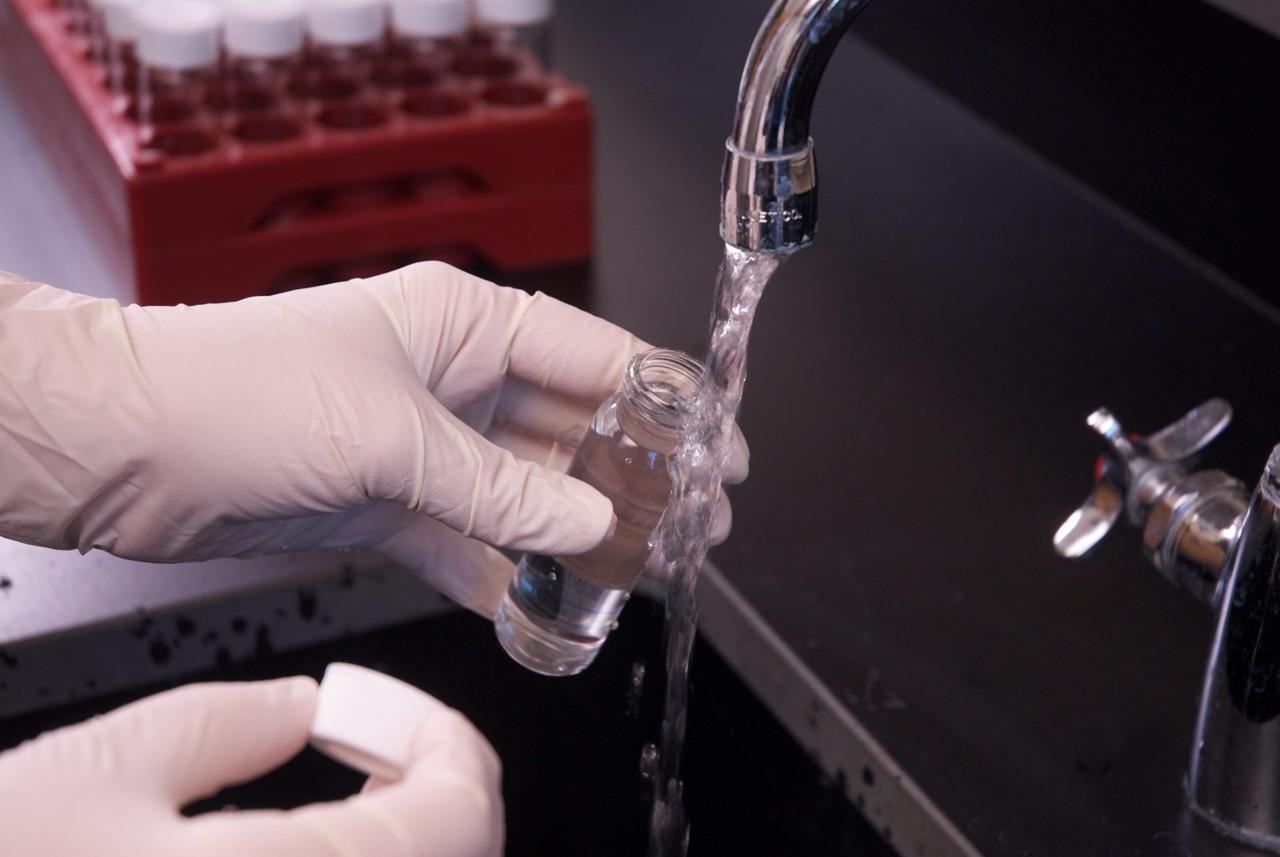
Access to clean and safe water is essential for households, supporting activities like cooking, cleaning, drinking, and bathing. Water quality differs depending on location, infrastructure, and environmental factors. Contaminants such as bacteria, heavy metals, and chemicals can pose health hazards if not properly treated. Modern innovations, including advanced filtration systems and smart monitoring, assist families in maintaining water safety. Recognizing potential risks and applying effective treatment methods are key to protecting health and ensuring the sustainable management of this vital resource.
Understanding Water Contaminants
Water contaminants comprise natural substances, such as arsenic, lead, and nitrates, as well as human-made pollutants like agricultural runoff and industrial chemicals. The risks vary: heavy metals may impact neurological or organ health, while pathogens like E. coli, norovirus, and Giardia cause acute gastrointestinal problems. Recognizing local contaminants is crucial, mainly as PFAS and microplastics are now found nationwide. Regular water testing enables early detection of threats, informing treatment options. Continuous monitoring enables the identification of water quality trends, ensuring the provision of safe and sustainable water supplies.
Keeping Water Safe with Regular Testing
Keeping water safe begins with awareness and proactive monitoring. Even clean-looking water can contain hidden contaminants such as bacteria, lead, or chemical residues that pose health risks over time. Conducting a home drinking water test is one of the most effective ways to detect these impurities early and ensure your supply meets safety standards. Regular testing helps identify changes caused by plumbing corrosion, agricultural runoff, or aging infrastructure. By understanding what’s in your water, you can take the proper steps—whether that means installing filters, upgrading systems, or seeking professional guidance—to maintain a reliable and healthy source of drinking water.
Whole House Water Filtration Systems
A whole-house filtration system treats all the water that enters your home, providing clean and safe water for drinking, bathing, laundry, and household appliances. This comprehensive approach ensures that every tap delivers purified water—not just those connected to a separate filter. Whole-house systems are particularly valuable for homes that use well water or are located in areas affected by municipal water issues. By removing chlorine, bacteria, heavy metals, and volatile organic compounds (VOCs), these systems help protect both your health and your plumbing, while improving the overall quality and taste of the water throughout your home.
Point-of-Use Filters
Many households rely on point-of-use filters installed under sinks or attached to faucets to remove targeted contaminants such as lead, chlorine, or microbial cysts. These systems are particularly effective for improving the quality of drinking and cooking water at specific taps. Portable options, such as pitcher or bottle filters, also provide convenient access to clean water while traveling or during temporary service disruptions. When choosing a filter, it’s essential to check for independent certifications from trusted organizations, such as NSF International or Consumer Reports, to ensure the system effectively addresses the contaminants most common in your local water supply.
Boiling and Disinfection Methods
When emergencies strike—such as following a natural disaster or during a boil-water advisory—simple disinfection methods can become lifesaving. Boiling water for at least one minute destroys most bacteria, viruses, and parasites, rendering water safe for drinking or cooking. Chemical methods, such as chlorine or iodine tablets, provide portable alternatives for disinfection, particularly during travel or camping. Always adhere to product instructions and be aware of limitations: while these methods are fast and accessible, they do not remove chemical pollutants or heavy metals.
Bottled Water as a Temporary Solution
During short-term water crises, bottled water provides immediate relief; however, it’s never a sustainable solution. Beyond higher cost, bottled water generates significant plastic waste and is less regulated than municipal tap water in many jurisdictions. Use it sparingly and focus on transitioning back to filtered tap water as soon as possible. Long-term dependence exposes households to fluctuating quality, cost, and supply chain issues. Prioritizing filtration or treatment systems ensures ongoing confidence in your daily water supply and significantly reduces environmental impact.
Community Initiatives and Government Programs
Widespread water safety relies on individual action and community support. California’s programs, like the SAFER Act, provide support and funding to communities with contamination issues. Government efforts also fund infrastructure and public education, helping residents safeguard their families. Learn more about community programs expanding access to safe water in California through official sources.
Maintaining Water Quality
Maintaining water quality requires both initial treatment and ongoing maintenance, including regular filter replacements, periodic retesting, and monitoring for any unusual changes. Keeping track of local water quality reports and working with reputable providers helps address potential contamination risks. Regular maintenance ensures a safe supply of household water throughout the year.
Safeguarding the Future of Your Home’s Water
Safeguarding your home’s water supply involves a combination of personal efforts and community actions. By recognizing potential hazards, installing effective filtration systems, and remaining vigilant, you can ensure the safety of your drinking water. Regular testing, routine inspections, and collaboration with local resources help maintain a healthy environment in your home for the long term.