
NEWS
Navigating Your Path: Expert Advice for Career, Hobbies, and Financial Security


The Power of Expert Guidance in Personal and Professional Growth
Navigating life’s diverse landscapes, from our professional careers to our personal passions and financial well-being, often benefits immensely from the insights of those who have charted similar courses. Expert guidance acts as a compass, helping us avoid common pitfalls and accelerate our journey towards success and fulfillment. It’s about leveraging accumulated knowledge and experience to make informed decisions, whether we’re building a career, mastering a complex hobby, or securing our financial future.
Advancing Your Career with Strategic Mentorship
In the professional field, strategic mentorship and expert advice are invaluable. They can illuminate career paths, highlight essential skill development opportunities, and provide networking strategies that open new doors. Many professionals face plateaus or uncertainties, and a seasoned guide can offer fresh perspectives and custom solutions. For instance, an Expert tech life coach NYC can provide custom strategies for navigating the corporate landscape, helping individuals refine their leadership skills, improve communication, and overcome specific career challenges. This kind of specialized guidance ensures that our professional growth is not left to chance but is instead a deliberate, well-supported journey.
Mastering Hobbies with Structured Learning
Just as professional growth benefits from structured guidance, so too do our personal passions, especially those involving inherent risks or complex skills. Activities like scuba diving, for example, demand a rigorous approach to learning and safety. Here, structured learning isn’t merely about enjoyment; it’s about survival and preventing accidents. For complex activities like scuba diving, following a structured plan is essential for safety and enjoyment, as shown in Dr. Strauss’s expert guidance on pre-dive safety. Let’s dig into how this structured approach translates into a comprehensive scuba diving safety checklist, addressing key questions that every diver should consider.
The Crucial Role of the Pre-Dive Safety Check (Buddy Check)
One of the most fundamental components of dive safety is the pre-dive safety check, commonly known as the buddy check. Why is a pre-dive safety check (buddy check) crucial for scuba diving? A pre-dive safety check is crucial because it acts as a critical last line of defense against equipment malfunctions and human error. It ensures that both divers’ gear is properly assembled, functioning correctly, and that each diver is familiar with their buddy’s equipment, especially emergency releases. Statistics reveal that five out of 10 scuba accidents likely could have been prevented by a pre-dive buddy check. Accidents are just as likely to happen to new divers compared to those certified for several years, underscoring the universal importance of this routine. It’s much easier to fix a small problem above water than to deal with a big problem underwater.
What are the essential components of a pre-dive safety checklist? The essential components typically include checking buoyancy compensator (BCD) function, weight systems, all releases, air supply, and a final overall check. This is often remembered through acronyms.
What does the BWRAF acronym stand for and how is each step performed? The BWRAF acronym is a widely recognized mnemonic used by PADI for the pre-dive buddy check, ensuring a systematic review of critical gear:
- B – BCD (Buoyancy Compensator Device): Check that your BCD inflates and deflates properly. Test both the power inflator and oral inflation. Ensure all dump valves (shoulder, kidney, and over-pressure relief) are functional. Your buddy should also know how to operate your BCD’s inflation and dump mechanisms. For dry suit divers, this also includes checking the dry suit inflator hose and deflator valves.
- W – Weights: Verify that both you and your buddy have your weights, that they are correctly placed, and securely fastened. If using integrated weight pockets, give them a gentle tug to confirm they are locked. Ensure quick-release mechanisms are accessible and functional, and that your buddy knows how to operate yours in an emergency.
- R – Releases: Check all straps and buckles on your BCD, tank band, and harness to ensure they are securely fastened. Crucially, show your buddy how to operate all your major releases (shoulder, chest, waist, and weight releases), and understand how to operate theirs. This includes ensuring no hoses or equipment obstruct quick release.
- A – Air: This is a multi-step check. First, confirm your cylinder valve is fully open (or opened fully then backed off a quarter turn, depending on preference/training). Take a few breaths from your primary second stage while observing your submersible pressure gauge (SPG) to ensure it reads accurately and the air tastes and smells clean. Then, breathe from your alternate air source (octopus) to confirm it’s also functioning. Your buddy should perform the same checks on their gear.
- F – Final Check (or Final OK): Conduct a head-to-toe visual inspection of yourself and your buddy. This includes ensuring masks are defogged, fins are on, hoses are neatly tucked away and not dangling, dive computers are on and in dive mode, and all accessories (knives, lights, signaling devices) are secure and accessible. Give an “OK” signal to your buddy, confirming readiness.
Are there alternative acronyms or checklists used for pre-dive safety checks? Yes, various certifying agencies and divers use alternative acronyms. Some common ones include:
- ABCDE (SDI): Air, Buoyancy control device, Computer, Dive gear, Enter to the water.
- BAR (BSAC): Buoyancy, Air, Releases.
- SEABAG (NAUI): Site, Emergencies, Activities, Buoyancy, Air, Gear. These all cover similar critical points, emphasizing the universal importance of a systematic check.
What is the importance of the buddy system in scuba diving? The buddy system is a non-negotiable safety rule in scuba diving. It provides mutual support, assistance, and an extra set of eyes to monitor equipment, air supply, and the environment. A buddy can assist in emergencies, share air, or signal for help, significantly enhancing dive safety.
Beyond the Buddy Check: Comprehensive Pre-Dive Preparation
While the buddy check focuses on immediate gear functionality, a broader preparation strategy encompasses several other crucial elements.
What are the key differences between pre-launch and pre-dive checklists? A pre-launch checklist typically covers items needed before leaving for the dive site, such as packing all essential gear, checking weather conditions, and confirming dive plans with the dive operator. It’s about getting to the water ready. A pre-dive checklist (like BWRAF) occurs right before entering the water, focusing on the immediate readiness of the diver and their equipment. The Scuba Safety Pre-Dive Checklist from nxtlvlmarine.com provides a good overview of these immediate checks.
What are the essential gear items that should be included in a basic packing checklist? A basic packing checklist ensures you have everything you need for a dive:
- Core Dive Gear: Mask, snorkel, fins, BCD, regulator set (primary, octopus, SPG, inflator hose), dive computer, wetsuit/dry suit, weights, dive light.
- Safety & Navigation: DSMB (Surface Marker Buoy) with reel, dive knife/cutting tool, compass, slate/wet notes.
- Documentation: Certification card (C-card), logbook, medical statement (if required), DAN membership card (if applicable).
- Personal Items: Swimsuit, towel, reef-safe sunscreen, hat, sunglasses, water bottle, snacks, motion sickness medication.
What are the recommended items for a ‘Save-a-dive’ kit? A ‘Save-a-dive’ kit is a diver’s best friend for minor equipment issues that could otherwise end a dive. Recommended items include:
- Assorted O-rings (for tank valves, regulators)
- Silicone grease
- Mask strap and fin strap spares
- Zip ties
- Duct tape
- Small adjustable wrench/multi-tool
- Anti-fog solution
- Spare batteries for dive computer/light
- Small screwdriver set
What should be included in a basic first-aid kit for diving? A basic first-aid kit for diving should be comprehensive, custom to common dive-related injuries and general ailments:
- Wound Care: Waterproof bandages, antiseptic wipes, sterile gauze pads, medical tape, wound closure strips, antibiotic ointment.
- Pain & Inflammation: Pain relievers (e.g., ibuprofen, acetaminophen), anti-inflammatory cream.
- Allergies/Stings: Antihistamines, hydrocortisone cream, vinegar (for jellyfish stings), sting relief spray.
- Motion Sickness: Anti-emetics (if not taken pre-dive).
- Other: Eye drops, ear drops, tweezers, small scissors, CPR mask, emergency contact information, any personal medications.
What are the key elements of strategic dive planning? Strategic dive planning involves more than just packing gear. It includes:
- Site Assessment: Researching the dive site, understanding its characteristics (depth, currents, entry/exit points, potential hazards, marine life).
- Environmental Check: Checking weather forecasts, water conditions (visibility, temperature, tides).
- Buddy Coordination: Discussing the dive profile (max depth, bottom time, planned route), hand signals, emergency procedures, and air management with your buddy.
- Emergency Preparedness: Knowing the location of the nearest decompression chamber, emergency contacts, and having an Emergency Action Plan (EAP).
- Objective Setting: Agreeing on the purpose of the dive (photography, exploration, training). The
Ocean Enterprisesblog offersThe Ultimate Scuba Diving Checklist: Essential Pre-Dive Preparation and Safety Tipswhich further emphasizes these elements.
What is the recommended procedure for entering the water (e.g., Giant Step, BackRoll)? The choice of water entry depends on the dive platform and conditions.
- Giant Stride Entry: Used from a stable, liftd platform (boat deck, dock). Stand at the edge, gear on, regulator in mouth, mask on, hold BCD/hoses. Look forward, take a large step out, and let gravity do the work. Inflate BCD slightly upon entry.
- Back Roll Entry: Common from smaller boats or inflatables. Sit on the edge, gear on, regulator in mouth, mask on, hold BCD/hoses. Lean back and roll into the water. Inflate BCD slightly upon entry. Regardless of the method, ensure the area below is clear, and give an “OK” signal once surfaced. For more detailed instructions on various entry methods, the
Safety Scuba, Getting Into the Waterguide on Instructables is a valuable resource.
Maintaining Health, Training, and Equipment for Dive Safety
Beyond immediate checks, ongoing commitment to personal readiness and equipment integrity is paramount.
How does physical fitness and health contribute to dive safety? Good physical fitness and overall health are fundamental to dive safety. Diving is a physically demanding activity, and poor conditioning can lead to fatigue, increased air consumption, and impaired judgment, increasing the risk of accidents. Cardiovascular health is particularly important; about a quarter to a third of all scuba diving fatalities are from heart and/or circulatory problems. Regular exercise, a balanced diet, and avoiding dehydration are crucial. Any pre-existing medical conditions should be discussed with a dive physician.
How can divers ensure they are properly trained for different types of dives? Divers ensure proper training by pursuing continuing education beyond their initial Open Water certification. This includes:
- Specialty Courses: For specific environments (e.g., Wreck Diver, Night Diver, Deep Diver, Drift Diver) or equipment (e.g., Dry Suit Diver, Enriched Air Diver).
- Advanced Certifications: Like Advanced Open Water, Rescue Diver, which builds skills for self-rescue and assisting others. PADI offers excellent programs like the
PADI Rescue Diver coursethat significantly improve a diver’s preparedness for emergencies. - Experience: Gaining supervised experience in varied conditions and dive types.
- Refresher Courses: If there’s a long break from diving, a refresher course helps reactivate skills and knowledge.
How often should scuba gear be serviced and inspected? Regular servicing and inspection are vital for equipment longevity and safety.
- Regulators & BCDs: Annually by a certified technician, or more frequently with heavy use.
- Dive Computers: Check battery levels before each dive; replace batteries as recommended by the manufacturer or by a service center.
- Tanks: Annually visually inspected by a certified technician (VIP sticker), and hydrostatically tested every five years.
- Mask, Fins, Wetsuit: Inspect before each dive for tears, cracks, or deterioration. Replace worn parts as needed.
How can divers ensure they are not diving beyond their training limits? Diving beyond one’s training limits is a significant risk factor. Divers can ensure they stay within limits by:
- Understanding Certification Depths: Adhering to the maximum depth limits of their current certification (e.g., 60 feet/18 meters for Open Water, 100 feet/30 meters for Advanced Open Water).
- Assessing Experience: Honestly evaluating their experience level for specific conditions (currents, visibility, cold water).
- Seeking Further Training: If a desired dive exceeds current training, enroll in the appropriate specialty course.
- Communicating with Dive Leaders: Informing divemasters or instructors of any discomfort or inexperience with planned dive conditions.
- “If in doubt, don’t go out”: A fundamental principle of safe diving.
What are the fundamental safety rules for scuba diving beyond the pre-dive check? Beyond the pre-dive check, fundamental safety rules include:
- Never Hold Your Breath: The most critical rule to prevent lung overexpansion injuries. Always breathe continuously.
- Ascend Slowly and with Control: Adhere to recommended ascent rates and perform safety stops.
- Dive with a Buddy: Always dive with a companion and maintain proximity.
- Plan Your Dive, Dive Your Plan: Establish and stick to a dive plan with your buddy.
- Monitor Air Supply: Check your SPG frequently.
- Stay Hydrated and Well-Rested: Good physical condition is paramount.
- Respect Marine Life: Observe, don’t touch.
- Know Your Limits: Never dive beyond your training, experience, or comfort level. DAN’s
Safe Diving Practicesfurther elaborates on these crucial guidelines.
Understanding and Mitigating Underwater Risks
Being aware of potential dangers and knowing how to respond is a hallmark of a prepared diver.
What are the risks associated with holding your breath while diving? Holding your breath while ascending, even slightly, is extremely dangerous. As a diver ascends, the ambient pressure decreases, causing the air in the lungs to expand. If this expanding air cannot escape (because the breath is held), it can over-inflate the lungs, leading to severe and potentially fatal lung overexpansion injuries such as pneumothorax, mediastinal emphysema, subcutaneous emphysema, or arterial gas embolism (AGE). AGE is particularly dangerous as air bubbles can enter the bloodstream and travel to the brain, causing stroke-like symptoms or death.
Why is it important to ascend slowly and with control? Ascending slowly and with control is vital to allow the body to off-gas absorbed nitrogen safely. Rapid ascent can lead to:
- Decompression Sickness (DCS): If nitrogen bubbles form in the tissues and bloodstream due to too rapid a pressure change. This can cause pain, neurological symptoms, and paralysis. You can learn more about
Why and at What Sites Decompression Sickness Can OccurandDecompression Sciencein Dr. Strauss’s comprehensive resources. - Lung Overexpansion Injuries: As discussed, though primarily caused by breath-holding, rapid ascent exacerbates the risk. Recommended ascent rates (e.g., no faster than 30 feet/9 meters per minute) and mandatory safety stops (e.g., 3-5 minutes at 15 feet/5 meters) are designed to minimize these risks.
How can divers prepare for potential emergencies underwater? Preparation for underwater emergencies involves a combination of training, practice, and equipment readiness:
- Emergency Training: Completing courses like PADI Rescue Diver and Emergency First Response (EFR) provides essential skills.
- Buddy System Drills: Regularly practicing out-of-air scenarios, alternate air source deployment, and equipment removal with your buddy.
- Equipment Familiarity: Knowing how to operate your own and your buddy’s gear, especially emergency releases and alternate air sources.
- Problem-Solving Skills: Developing a calm, systematic approach (e.g., Stop, Breathe, Think, Act) to manage unexpected situations.
- Signaling Devices: Carrying and knowing how to use a DSMB, whistle, and dive light for surface and underwater signaling.
Post-Dive Responsibilities
The dive isn’t truly over until the gear is cared for and the experience documented.
What are the essential steps for post-dive equipment maintenance and documentation? Post-dive routines are critical for equipment longevity and safety:
- Rinse Gear: Thoroughly rinse all equipment (regulators, BCD, wetsuit, mask, fins, computer) with fresh water to remove salt, chlorine, and sand.
- Dry Gear: Hang gear to dry in a shaded, well-ventilated area, away from direct sunlight. Ensure everything is completely dry before storage to prevent mold and mildew.
- Inspect Gear: Perform a quick visual inspection for any signs of wear, damage, or malfunction. Note anything that requires repair or servicing.
- Store Gear: Store equipment in a cool, dry place, ideally in a gear bag or container that allows air circulation. Store regulators loosely, not tightly coiled.
- Log Dive: Document the dive in your logbook, including date, location, depth, bottom time, air consumption, buddy’s name, and any observations. This helps track experience and identify patterns.
Securing Your Future: Financial Expert Guidance
Financial security is another pillar of a balanced life that thrives on expert guidance and structured planning. Just as we carefully plan a dive, we should approach our finances with similar diligence. This involves understanding budgeting principles, developing sound investment strategies, and effectively managing debt. Protecting our assets is a key component of financial health, and finding Low cost Florida auto expert guidance is a practical step in managing everyday financial risks. Whether it’s insurance, retirement planning, or investment diversification, expert advice helps us build a robust financial foundation, ensuring peace of mind for the future.
Building Your Personal Success Checklist

A personal success checklist is more than just a to-do list; it’s a strategic tool for actionable steps, goal setting, self-assessment, and continuous improvement across all facets of life. By breaking down large aspirations into manageable tasks, we create a clear roadmap for achieving our objectives.
Your Career Development Action Plan
For professional advancement, a dynamic action plan is essential. This might include:
- Resume and Portfolio Updates: Regularly refresh your professional documents to reflect new skills and achievements.
- Skill Gap Analysis: Identify areas where your skills could be strengthened or expanded to meet future career demands.
- Networking Events: Actively participate in industry events, both online and offline, to build connections.
- Professional Development Resources: Explore online courses, certifications, and workshops relevant to your field.
- Setting Quarterly Goals: Establish clear, measurable objectives for each quarter, whether it’s learning a new software, leading a project, or expanding your professional network.
- Seeking Feedback: Actively solicit constructive criticism from mentors and supervisors to identify areas for growth.
A Framework for Enjoying Your Hobbies Safely
When it comes to hobbies, especially those with an adventurous edge, a structured approach to safety and enjoyment is non-negotiable. Our framework includes:
- Pre-Activity Checks: Always conduct thorough checks of equipment and conditions before starting any activity. For divers, this is the comprehensive scuba diving safety checklist we discussed.
- Understanding Limits: Be acutely aware of your personal physical, mental, and training limits. Never push beyond what you are prepared for.
- Emergency Preparedness: Know what to do in an emergency, have a plan, and ensure you have the necessary safety equipment.
- Proper Equipment Maintenance: Regular inspection and servicing of gear are crucial for safety and performance.
- Finding Certified Instructors: Seek out qualified professionals for training and guidance, especially when learning new skills or advancing in a hobby.
- Learning Fundamental Rules: Master the basic principles and safety regulations of your chosen activity.
A Simple Checklist for Financial Health
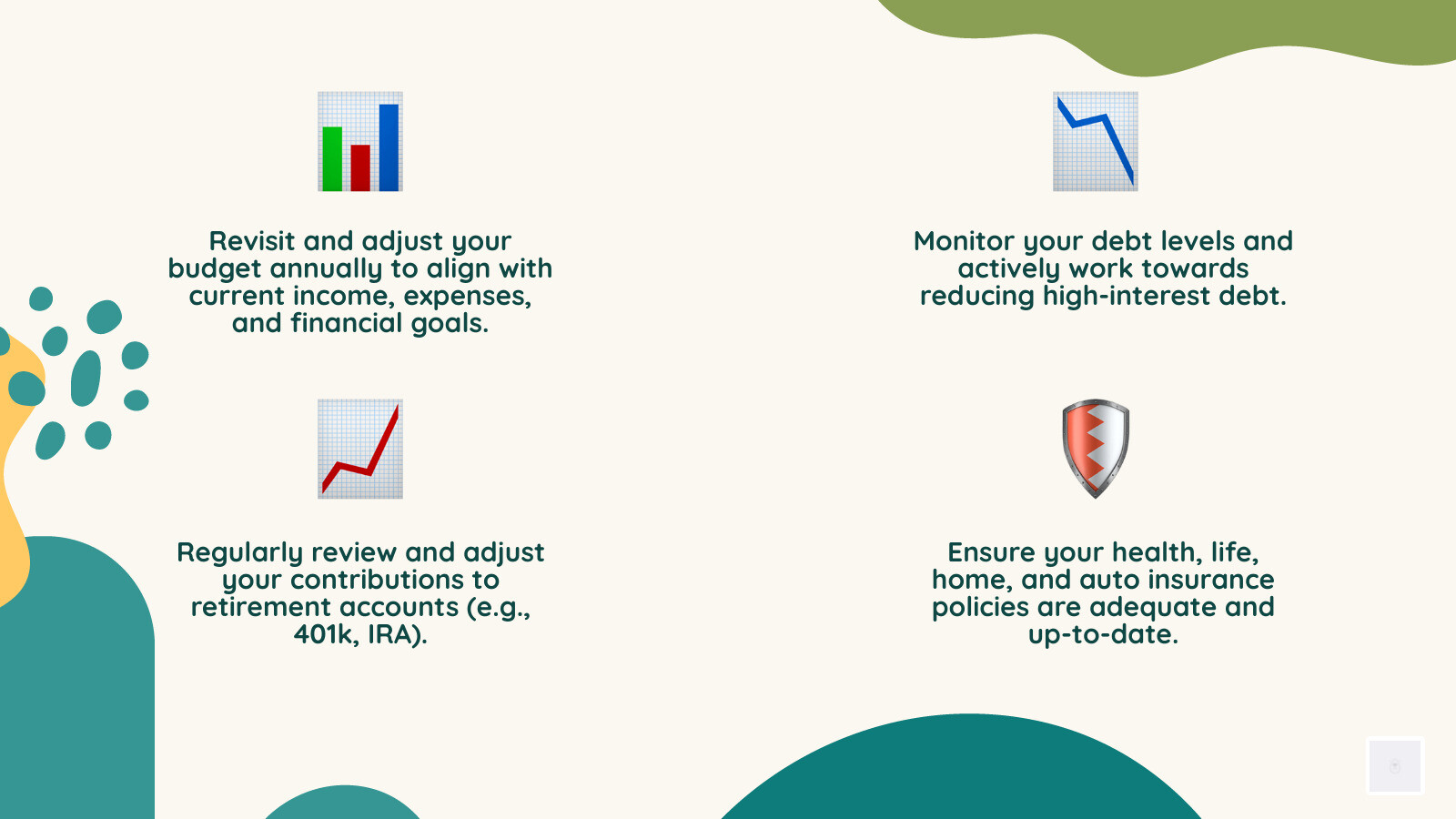
Financial well-being is built on consistent habits and periodic reviews. Here’s a simple checklist to maintain robust financial health:
- Annual Budget Review: Revisit and adjust your budget to align with current income, expenses, and financial goals.
- Debt-to-Income Ratio: Monitor your debt levels and work towards reducing high-interest debt.
- Retirement Contributions: Regularly review and adjust your contributions to retirement accounts (e.g., 401k, IRA).
- Insurance Policy Audit: Ensure your health, life, home, and auto insurance policies are adequate and up-to-date.
- Creating an Emergency Fund: Aim for at least 3-6 months of living expenses saved in an easily accessible account.
- Reviewing Credit Scores: Periodically check your credit report for accuracy and understand factors affecting your score.
Conclusion
Life’s journey is multifaceted, requiring a blend of ambition, discipline, and foresight. By applying the principles of structured planning, expert guidance, and diligent checklist adherence across our careers, hobbies, and finances, we empower ourselves to steer challenges and seize opportunities. Whether it’s the meticulous pre-dive safety check that ensures a thrilling yet safe underwater adventure, the strategic mentorship that propels a career forward, or the careful financial planning that secures our future, the power of a clear, actionable plan is undeniable. Accept these strategies, and you will not only achieve your goals but also build a life rich in fulfillment and security. For those seeking to deepen their understanding of the science behind diving and improve their safety, exploring resources like Diving Science can provide invaluable insights.