NEWS
Modern Employee Time Clocks for Better Workforce Management

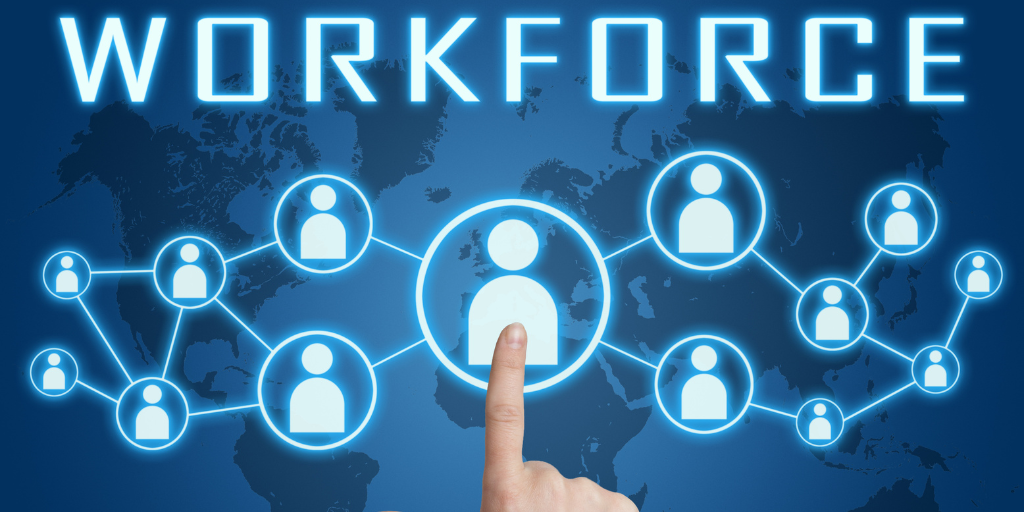
In today’s dynamic business landscape, streamlining workforce management isn’t just a strategy—it’s a necessity for any organization intent on maximizing productivity. Modern employee time clock systems are at the forefront of this evolution, offering comprehensive tools beyond merely tracking hours. By adopting the latest employee time clocks, organizations can embrace efficiency and transparency, empowering management to make informed decisions and employees to work confidently.
The shift from traditional punch cards to intelligent timekeeping solutions is transforming industries of all sizes. As digital transformation accelerates, these cutting-edge systems address key challenges such as preventing time theft, ensuring regulatory compliance, and integrating seamlessly with workforce management software to make payroll and scheduling a breeze. These advancements mean that workforce oversight is no longer a dreaded administrative task, but an opportunity for data-driven improvement.
Evolution of Time Clocks
The evolution of time clocks traces back to mechanical punch cards that timestamped employees’ workday beginnings and endings. While effective for their era, these early systems were susceptible to inaccuracies and abuse, such as buddy punching.
With the advent of electronic time clocks, businesses gained tools for greater accuracy and reporting. However, today’s digital timekeeping goes further, leveraging biometric and cloud-based technologies that eliminate loopholes and human error. The historic journey from punch cards to sophisticated, data-driven solutions reflects contemporary workforce management’s growing complexity and demands. According to the Society for Human Resource Management (SHRM), modern systems foster a culture of accountability and boost operational oversight, both vital as businesses scale.
Advanced Features in Modern Time Clocks
Modern employee time clocks are packed with advanced features designed to address the needs of today’s businesses:
- Biometric Authentication: Utilizing fingerprints or facial recognition, these systems eliminate “buddy punching”—the practice of clocking in for someone else—and ensure the right person is checked in or out.
- Mobile Integration: Employees can now clock in and out from their smartphones, a crucial advantage for remote teams, field technicians, and part-time staff who don’t operate from a central workplace.
- Cloud Connectivity: Real-time data access is game-changing for managers overseeing multiple locations. It enables streamlined oversight, faster payroll, and seamless syncing with HR or payroll software.
Preventing Time Theft and Ensuring Compliance
Time theft—whether intentional or accidental—can erode a company’s bottom line and workforce morale. Biometric and digital time clocks close the loopholes, providing confidence that payroll accurately reflects time worked. Another major advantage is compliance: up-to-date records make it simpler to adhere to labor laws, overtime mandates, and industry regulations, reducing the risk of costly legal disputes or penalties.
Integration with Workforce Management Software
Timekeeping doesn’t exist in a vacuum—today’s systems integrate seamlessly with workforce management, HR, and payroll solutions. This enables organizations to automate scheduling, manage labor costs, and generate actionable reports with greater speed and fewer errors. For example, time and attendance systems for manufacturing play a vital role in tracking shift patterns, managing complex schedules, and ensuring compliance with labor standards specific to production environments. An integrated environment reduces manual data entry, eliminates paperwork, and ensures calculations for taxes, benefits, and overtime are performed accurately and automatically. Ultimately, this integration boosts productivity, minimizes costly mistakes, and frees managers to focus on high-value work.
Choosing the Right Time Clock for Your Business
Businesses face a range of options when selecting the ideal time clock system. The right choice depends on unique requirements such as the size of the organization, its industry-specific needs, the necessity for integration with existing business systems, and future growth plans.
- Consideration of business size and employee count is essential—smaller businesses may need straightforward, app-based tools, while larger organizations will benefit from robust cloud or biometric platforms.
- Evaluate which local or industry-specific compliance needs the system must address.
- Determine whether the solution offers necessary integration capabilities with payroll and workforce management systems.
- Budget and scalability are critical—choose a platform that can grow alongside your organization without costly upgrades or migrations.
Final Thoughts
Modern employee time clocks are an invaluable investment in operational efficiency and workforce accountability. Their advanced features—biometric security, mobile and cloud integration, and seamless compatibility with management software—set a new standard for businesses seeking to stay competitive. The right system ensures accurate timekeeping and legal compliance and creates a foundation for greater productivity and employee satisfaction across all levels of your organization.