
NEWS
Menstrual Cups: A Science-Based Look at Their Benefits

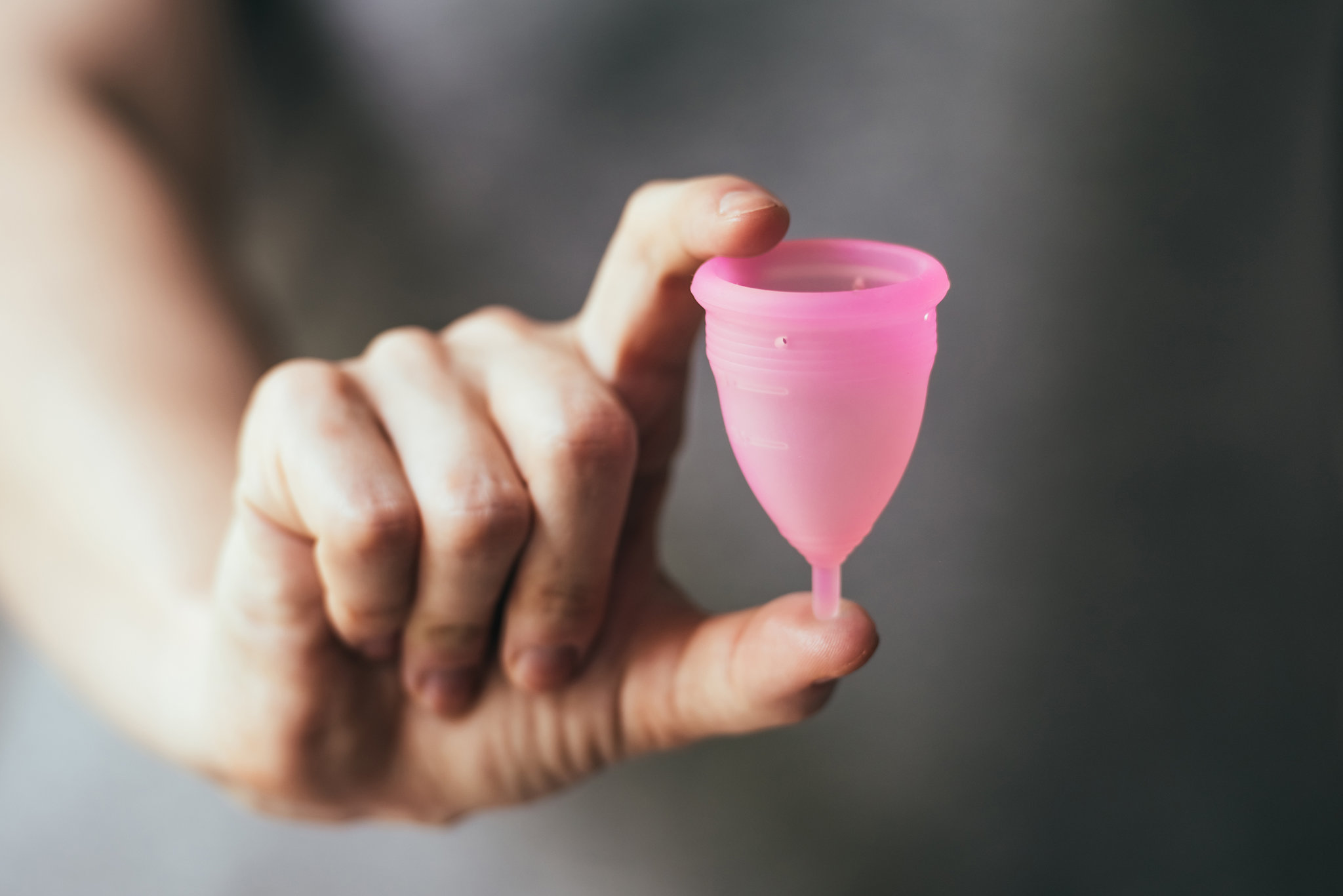
Menstrual cups, once considered a fringe alternative in the period care market, have quickly moved into mainstream conversations about health, sustainability, and self-care. Their rise in popularity reflects a cultural shift toward products that not only serve immediate needs but also align with broader values like environmental responsibility and long-term health.
For decades, pads and tampons have dominated the menstrual care aisle. While they remain widely used, they come with drawbacks—environmental waste, recurring costs, and in some cases, irritation or health concerns. Menstrual cups, by contrast, offer a reusable, long-lasting, and body-friendly option that is increasingly backed by science.
How Menstrual Cups Work
A menstrual cup is a small, reusable device shaped like a bell or cone, typically made of medical-grade silicone, latex, or thermoplastic elastomer (TPE). Instead of absorbing fluid the way tampons do, the cup collects menstrual blood within the vagina. When inserted correctly, it creates a gentle seal with the vaginal walls, preventing leaks and ensuring reliable protection.
Most cups can be worn safely for 8 to 12 hours, depending on the user’s flow and the cup’s capacity. Once removed, the cup is emptied, rinsed with water or wiped clean, and then reinserted. Between menstrual cycles, it is usually sterilized by boiling in water for several minutes, ensuring it is safe and hygienic for reuse.
This simple design offers not only effectiveness but also consistency. Where tampons and pads may need frequent changes, cups hold more fluid and stay in place for longer, offering freedom and peace of mind.
Extended Wear and Consistent Protection
One of the biggest practical benefits of a menstrual cup is the longer wear time compared to tampons. Many tampon users need to change every 4 to 6 hours, especially during heavy flow days. A menstrual cup, however, can often be worn twice as long.
This extended use makes it especially appealing to people with demanding schedules—whether that means overnight wear, long work shifts, international flights, or simply not having easy access to restrooms throughout the day. For active users, from athletes to frequent travelers, this uninterrupted protection can be life-changing.
When properly fitted, the secure seal of a cup greatly reduces the risk of leaks, even during movement or while sleeping. Users often report that after a short learning curve, they forget they’re even wearing one.
Environmental and Economic Benefits
Disposable period products contribute millions of tons of waste to landfills each year. The average menstruating person uses thousands of pads or tampons in their lifetime, most of which are made of plastic-containing materials that take centuries to break down.
A menstrual cup, on the other hand, can last anywhere from 5 to 10 years with proper care. This dramatically cuts down on waste, making it one of the most sustainable options for menstrual care.
The cost savings are equally compelling. A single cup typically costs between $25 and $40, which may seem like a significant investment upfront. However, when compared with the ongoing monthly cost of tampons or pads, the savings add up quickly—often covering the cost of the cup in less than a year. Over a decade, the financial difference can reach hundreds of dollars.
Health Considerations and TSS Research
Toxic Shock Syndrome (TSS) is a rare but serious illness most commonly linked to extended tampon use. Because cups do not absorb fluid but rather collect it, the risk profile is different. While cases of TSS associated with cup use are extremely rare, researchers have investigated whether cup materials may influence bacterial growth.
A 2018 study published in Applied and Environmental Microbiology looked at how different menstrual products supported the growth of Staphylococcus aureus, the bacterium that can trigger TSS. Interestingly, the researchers found that TPE cups supported less bacterial growth than silicone cups in laboratory conditions.
This doesn’t mean silicone is unsafe—both materials are widely used in medical devices—but it does highlight how advances in material science can improve menstrual cup safety. Brands like MeLuna USA offer cups made from TPE, which not only adjust to body temperature for a custom fit but also provide an alternative for people with silicone or latex allergies.
Supporting Vaginal Health
Unlike tampons, which absorb both menstrual blood and natural vaginal moisture, menstrual cups collect fluid without disturbing the vagina’s natural balance. This helps maintain natural lubrication and pH, potentially reducing irritation, dryness, or infections linked to altered vaginal flora.
Cups also contain menstrual fluid within the body, limiting exposure to air. This reduces odor, a common concern with pads, and may feel fresher and more comfortable. For individuals with sensitive skin or a history of irritation from disposable products, cups can be a gentler, healthier option.
A Fit for Active Lifestyles
For athletes, swimmers, and those with physically active jobs, menstrual cups offer particular advantages. They stay in place during running, yoga, cycling, or swimming, and unlike tampons, they do not absorb external water. This means swimmers can move freely in pools or open water without worrying about leaks or having to change products immediately afterward.
Users often describe a sense of freedom with cups—being able to exercise or travel without constantly thinking about their period. This makes cups especially popular among people committed to fitness or outdoor activities.
Finding the Right Fit
Just as every body is unique, so too is the best menstrual cup fit. Factors such as cervix height, flow level, pelvic floor strength, and childbirth history can influence which size and firmness will feel most comfortable and perform best.
To make the process easier, some brands provide tools like the menstrual cup quiz. These quizzes help match users with the right model based on their anatomy and lifestyle, reducing trial and error.
An appropriately fitted cup is key to minimizing leaks and maximizing comfort. While the learning curve can take a few cycles, most users adapt quickly and find the payoff worth it.
Hygiene and Care
Maintaining good hygiene is essential for safe, long-term cup use. Best practices include:
- Washing the cup with unscented, mild soap and warm water during menstruation.
- Sterilizing it by boiling in water for around five minutes at the end of each cycle.
- Using wipes or bottled water for cleaning when traveling or away from home.
When cared for properly, a menstrual cup can remain in excellent condition for years, offering both peace of mind and consistency.
Public Health and Global Impact
On a larger scale, menstrual cups offer benefits beyond personal use. In areas where disposable products are expensive or hard to access, cups can provide a sustainable, long-lasting solution. For communities working to reduce plastic waste or facing supply chain disruptions, cups represent resilience and independence.
The environmental benefits also align with global sustainability goals. By reducing plastic waste and resource consumption, menstrual cups are part of a broader cultural shift toward eco-conscious living. For many, choosing a cup isn’t just about personal comfort—it’s a small but meaningful way to support planetary health.
Conclusion
Menstrual cups bring together practicality, affordability, environmental responsibility, and growing evidence of health advantages. While no product is entirely free from challenges, the benefits of menstrual cups clearly outweigh the drawbacks for most users.
With ongoing innovation in materials, sizing, and design, cups are becoming more accessible and adaptable to diverse needs. Whether someone is seeking a healthier alternative to tampons, a more sustainable option for the environment, or simply a reliable product that fits their lifestyle, menstrual cups offer a compelling solution.
For individuals ready to make the switch, today’s variety of cup designs and guidance tools make it easier than ever to find the right fit—and to experience firsthand why menstrual cups have moved from niche product to global essential.