
NEWS
Key Design Trends Shaping Custom Home Building Today

Introduction to Modern Custom Home Design
The approach to custom home building continues to evolve rapidly, balancing advancements in technology with a renewed focus on comfort and sustainability. Modern homeowners are no longer interested solely in size or aesthetics; instead, they’re looking for homes that maximize efficiency, foster well-being, and adapt to changing needs. As a result, working with a skilled new home builder has become paramount for those who want to create a truly personalized living space that meets all their specifications. These professionals guide clients through expanding options, ensuring homes are functional and future-ready. Design priorities now reflect lifestyle changes—homeowners want open, connected spaces for togetherness and privacy. The merging of technology, sustainability, and indoor-outdoor living shapes new builds. Partnering with an experienced New Home Builder from the start makes the process more efficient, creative, and rewarding.
Open Concept Living Spaces
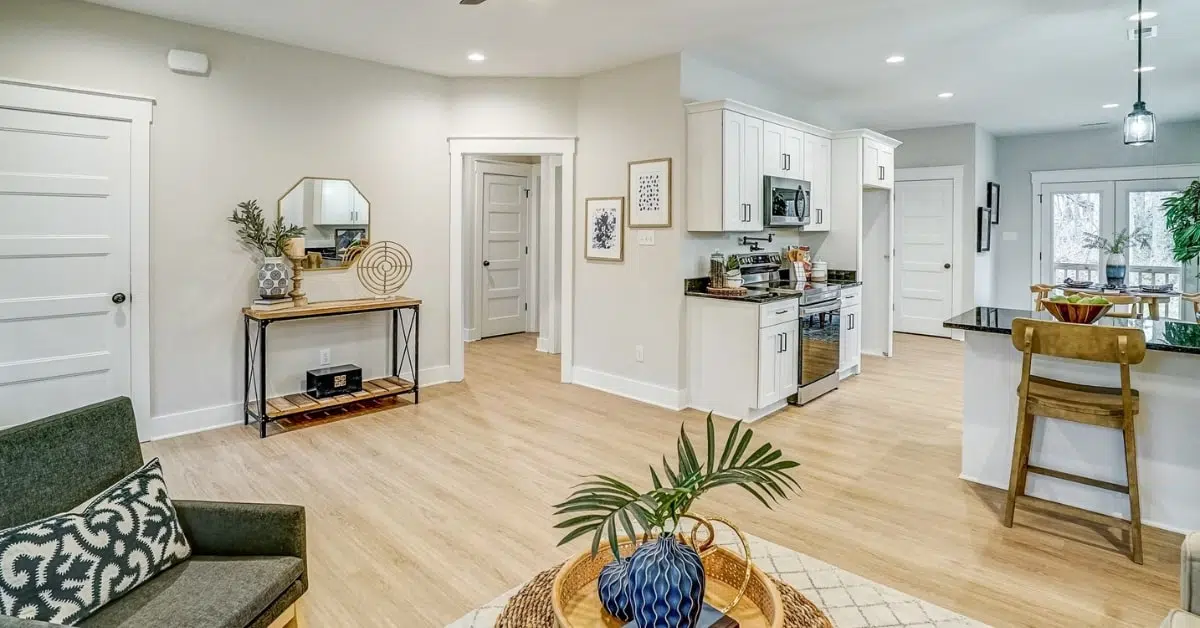
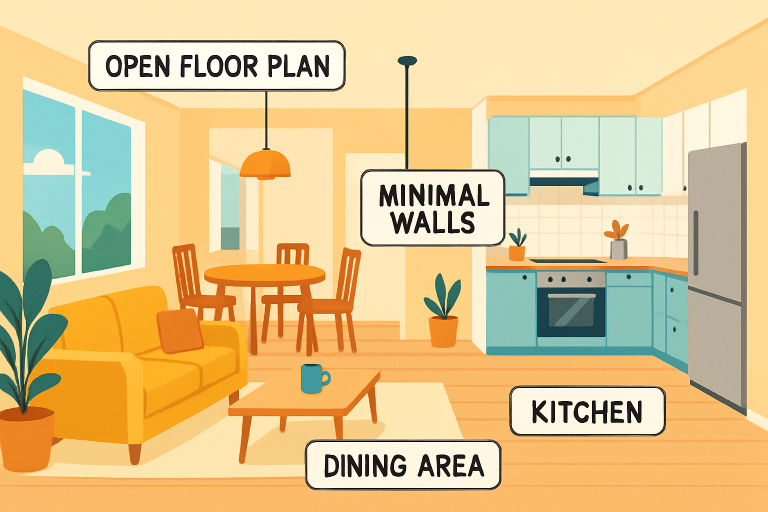
Open concept floor plans are popular for their versatility and visual appeal, creating a sense of spaciousness and allowing natural light to enter the home. They are ideal for entertaining guests and fostering a family-friendly environment. Architectural Digest highlights their relevance in new builds and renovations. Open layouts are popular among younger families and hosts, as they facilitate gatherings, monitor children, and promote smooth flow between zones. This design supports a busy, social, and flexible lifestyle.
Importance of Sustainable Materials
Homebuilding demand is increasing due to the benefits of eco-friendly construction, such as reclaimed wood, bamboo, recycled glass, and low-emission paints. These materials reduce energy bills and improve indoor air quality. Green-certified homes can save up to 30% on energy use. Sustainable design now includes energy-efficient windows, water heaters, insulation, smart water use, solar-ready rooftops, and appliances for long-term savings and resilience.
Smart Home Technology Integration
Technology and home design are increasingly intertwined, with smart systems like programmable thermostats, voice-controlled lighting, and automated window coverings becoming essential features. These advancements are becoming more popular as costs decrease and compatibility increases. Custom home builders can tailor these systems to provide convenience without compromising aesthetics or cluttering living areas, ensuring future resale value and accessibility.
Outdoor Living as an Extension of the Home
The concept of outdoor living has changed significantly, with custom home designs now including patios, decks, outdoor kitchens, and fire pits that blend with indoor spaces. These areas offer flexibility for entertaining, relaxing, or working outdoors. Features like covered terraces, retractable glass walls, and landscaping ensure year-round use and strengthen the home’s connection to nature—appealing to buyers seeking tranquility. As health and well-being become priorities, outdoor “rooms” provide mental breaks and venues for gatherings, tailored to interests such as gardening or outdoor cooking.
Flexible and Multi-Functional Spaces
Flexibility is key in today’s design, with homes that adapt to family needs for lasting value. Multi-purpose rooms, like offices that convert to guest rooms or basements serving as gyms or playrooms, maximize space. Features such as built-in storage, movable partitions, Murphy beds, or modular furniture support changing needs related to remote work, hybrid schooling, or family dynamics. This design approach allows spaces to transform quickly, offering comfort and practicality now and in the future.
Personalization and Unique Design Elements
Custom homes are becoming more personalized, reflecting the homeowner’s individual tastes and routines. These homes feature creative features like statement lighting, bespoke cabinetry, bold color palettes, and architectural details. Design touches like built-in seating and personalized tilework add personality. Experts suggest starting with space usage to create layouts and finishes that maximize functionality and style.
The Future of Custom Home Building
The next chapter in home building will see further advancements in efficiency, comfort, and tailored experiences. Expect to see continued innovation in energy technology, even more advanced smart systems, and designs that blur the boundaries between indoor and outdoor living. Above all, modern custom homes will remain centered on flexibility, sustainability, and the creation of a unique sanctuary that adapts seamlessly to the realities of everyday life—today and in the years ahead.